Best Time to Pick Cherries Revealed
Understanding the Best Time to Harvest Cherries
Harvesting your own crop from a fruit tree you have grown is incredibly satisfying, especially when the fruit is delicious. Cherries are a delightful treat, but harvesting them too soon can result in a lack of flavor. As the harvest season for cherry trees is shorter compared to some other fruit trees, it's essential to know what to look out for to ensure you pick the fruit at the perfect time.
There is a wide range of cherry tree varieties, and each tends to ripen at slightly different times of the year. In general, sour cherries ripen around mid-June to late July, while sweet cherries ripen around early June to late July. However, the exact timing can vary depending on the region and the specific type of cherry. If you're unsure about the type of cherry tree you have, it's helpful to look for signs and clues that indicate whether your cherries are ready for harvest.
Signs That Your Cherries Are Ready to Harvest
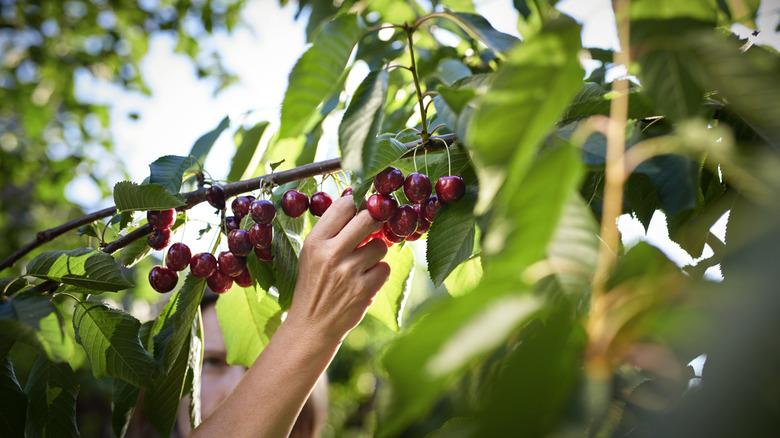
One of the first things to check is the color of the fruits. They should all be uniform in color with no patches of green or yellow. Another indicator of ripeness is the texture of the fruit. A ripe and ready-to-harvest cherry will feel smooth and round. Additionally, a ripe cherry should be easy to pull from the tree. When you think they are ready, give the fruit a slight tug. If they come off without much effort, your cherries are probably ripe.
After picking one, you may want to taste it before harvesting the rest. A ripe cherry is typically juicy and flavorful. This small test can help ensure that you're not harvesting unripe fruit that lacks the full taste and sweetness you expect.
Factors That Influence Cherry Ripening
The timing of when cherries are ready to be harvested depends on several factors, including the region and climate. In the Southern U.S., cherry season can begin as early as late April. However, in colder climates, such as the Northeastern U.S., the season can extend from late June to August. The timing can also change from year to year in the same location. This variation is often due to the spring weather, which affects how quickly the cherries will ripen. A mild spring can lead to earlier ripening, while a year with late frosts might delay the harvest.
Another significant factor that affects cherry season is the growing conditions of the tree. If your cherry tree isn't receiving the proper care, it may not produce cherries consistently. To help it thrive, make sure you are pruning your tree regularly and providing it with adequate fertilizer and water. It's also important to monitor the tree throughout the year for signs of common fruit tree diseases.
Proper Harvesting Techniques
If your cherries are ready to harvest, it's best to do so as soon as possible. Leaving the fruit on the tree for too long can increase the risk of damage. Cherries are soft when ripe and can crack on the tree if there is excessive rainfall. When harvesting cherries, it's best to hold the stalk rather than the fruit to avoid bruising. Gently grip the stem and twist to remove it from the tree.
Once harvested, cherries need to be stored promptly, as they will soften and may become damaged in hot weather. Proper storage helps maintain their quality and extends their shelf life.
By paying attention to these key indicators and following best practices for harvesting and storage, you can enjoy the full flavor and satisfaction of your homegrown cherries. Whether you're an experienced gardener or just starting out, understanding the nuances of cherry ripening can greatly enhance your fruit-growing experience.

Post a Comment for "Best Time to Pick Cherries Revealed"
Post a Comment