Beginner’s Guide to Google Ads Keyword Research
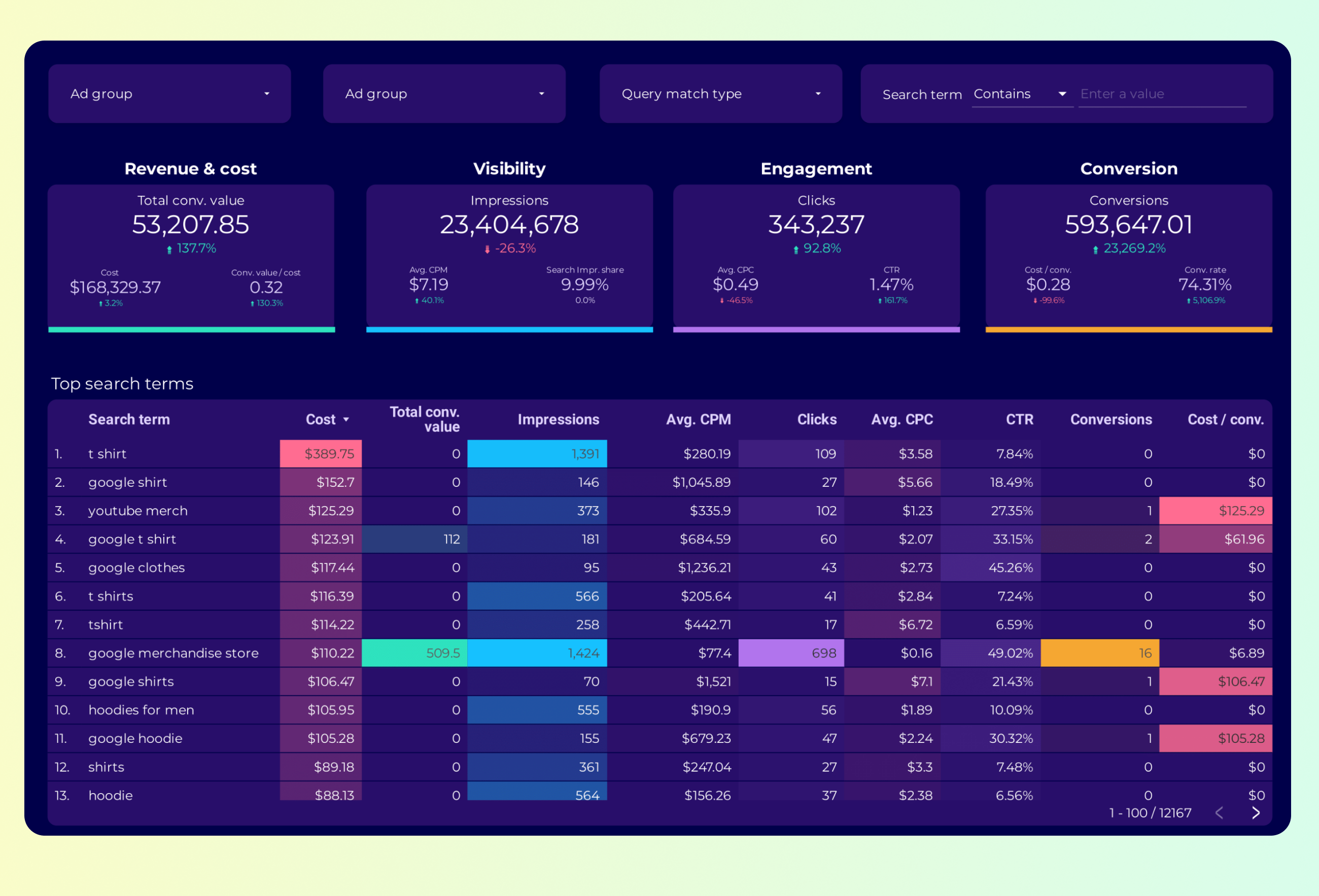
Unlock Your Google Ads Potential: A Beginner's Guide to Keyword Research
Hey there, future Google Ads rockstars! Ever feel like you're shouting into a void when it comes to your online advertising? Like you're throwing money at Google and hoping something sticks, but all you get are crickets? You’re not alone. Many businesses, big and small, struggle with the initial hurdle of keyword research in Google Ads. It’s like trying to bake a cake without a recipe – you might get something edible eventually, but it's probably not going to be a masterpiece.
Think of it this way: imagine you own a pizza place. You wouldn’t advertise "food," right? That's way too broad. You'd want to target people searching for "pizza near me," "best pepperoni pizza delivery," or even "gluten-free pizza options." That's the power of targeted keywords – connecting you with the right customers at the right time.
But where do you even begin? That’s the million-dollar question, isn’t it? It can feel overwhelming, especially with all the jargon and tools out there. Suddenly you're drowning in a sea of search volume, competition scores, and long-tail keywords. It's enough to make anyone want to order a pizza (instead of selling them!).
The truth is, effective keyword research isn't about magic or complex algorithms. It’s about understanding your audience, thinking like a customer, and using the right tools to uncover the phrases they're actually using to find businesses like yours. It’s about finding those hidden gems – the keywords that your competitors haven’t even thought of.
This isn't just about getting more clicks; it's about gettingrelevantclicks. It's about attracting customers who are genuinely interested in what you have to offer, and who are more likely to convert into paying clients. Think quality over quantity!
What if I told you that you could transform your Google Ads campaigns from a money-guzzling gamble into a highly targeted, lead-generating machine? What if you could attract the perfect customers, boost your ROI, and finally understand what all those confusing metrics actually mean? Ready to unlock the secrets? Let's dive in and discover the world of Google Ads keyword research, step-by-step!
Understanding the Fundamentals of Google Ads Keyword Research
Alright, let’s break down the essentials. Keyword research, at its heart, is all about figuring out what words and phrases people type into Google when they're looking for something you offer. It’s like detective work, but instead of solving crimes, you’re solving the mystery of your ideal customer's search query.
•Brainstorming Session:Think Like Your Customer
Before you even touch a keyword research tool, grab a pen and paper (or your favorite note-taking app) and start brainstorming. Put yourself in your customer's shoes. What wouldyoutype into Google if you were looking for your product or service? Don’t be afraid to get creative! Think about:
The specific problems your product/service solves.
The different ways people might describe what you offer.
Synonyms and related terms.
The location where your business operates (if applicable).
Any unique selling points or features you offer.
For example, let's say you run a dog grooming business. Your initial list might include: "dog grooming," "dog wash," "pet grooming," "dog haircuts," "nail trimming," "dog teeth cleaning," "puppy grooming," and even more specific searches like "poodle haircuts" or "golden retriever grooming styles." The more ideas you generate, the better!
•Leveraging the Google Keyword Planner: Your Free Research Assistant
Now that you've got a solid list of initial keywords, it's time to bring in the big guns – the Google Keyword Planner. This free tool (you’ll need a Google Ads account to use it) is your secret weapon for uncovering even more keyword ideas, estimating search volume, and analyzing competition.
Finding New Keywords: Enter your initial brainstormed keywords into the Keyword Planner and let it work its magic. It will generate a list of related keywords, along with their average monthly search volume, competition level, and suggested bid price. Analyzing Search Volume: This is the average number of times a keyword is searched for each month. Higher search volume generally means more potential traffic, but also more competition. Understanding Competition: The Keyword Planner will tell you the competition level for each keyword (low, medium, or high). Highly competitive keywords are generally more expensive to bid on. Getting Bid Estimates: This is the estimated cost-per-click (CPC) for each keyword. This will help you estimate your potential advertising costs.
Don't just blindly accept the Keyword Planner's suggestions. Analyze the data carefully and choose keywords that are relevant to your business and have a good balance of search volume and competition.
•Exploring Long-Tail Keywords:Niche Down for Better Results
Long-tail keywords are longer, more specific phrases that people use when they're closer to making a purchase. They may have lower search volume than broad keywords, but they also tend to be less competitive and more targeted, leading to higher conversion rates.
Example: Instead of "dog grooming," a long-tail keyword might be "affordable dog grooming services near downtown [your city]." Why Long-Tail Matters: People who search for long-tail keywords are typically more specific in their needs and are further along in the buying process. By targeting these keywords, you can attract highly qualified leads who are more likely to become customers. Finding Long-Tail Keywords:Use the Google Keyword Planner, related searches on Google, and even analyze your website's search queries to uncover long-tail keyword opportunities.
•Competitive Analysis:Spy on Your Rivals (Ethically, of Course!)
Don't reinvent the wheel! See what keywords your competitors are targeting. There are several tools (both free and paid) that can help you analyze your competitor's Google Ads campaigns and uncover their top-performing keywords.
Tools to Use: SEMrush, Spy Fu, and Ahrefs are popular options for competitive keyword analysis. What to Look For: Identify keywords that your competitors are bidding on that you haven't thought of. Also, look for gaps in their keyword strategy – keywords theyshouldbe targeting but aren't. Ethical Spying:Remember, this is about gathering insights, not copying your competitors verbatim. Use their strategies as inspiration, but always focus on creating your own unique and effective keyword strategy.
•Using Google Autocomplete and Related Searches:Uncover Hidden Gems
Google itself is a treasure trove of keyword information. When you start typing a search query into Google, it automatically suggests related searches. These suggestions are based on popular search terms and can give you valuable insights into what people are actually looking for.
How to Use Autocomplete: Start typing your seed keywords into Google and see what suggestions pop up. These are often valuable long-tail keyword ideas. Explore Related Searches:After you perform a search, scroll to the bottom of the page. Google will display a list of related searches. These can also provide valuable keyword ideas and help you refine your search strategy.
Implementing Your Keyword Strategy
Okay, you’ve done your research, you've compiled a list of target keywords – now what? It’s time to put those keywords into action and start building your Google Ads campaigns!
•Organizing Your Keywords:Create a Logical Campaign Structure
Don't just throw all your keywords into one big campaign. Organize them into tightly themed ad groups. Each ad group should focus on a specific topic or product/service. This will allow you to create more targeted ads and improve your Quality Score (which, in turn, lowers your costs and improves your ad ranking).
Example: If you're advertising a dog grooming business, you might create separate ad groups for "dog grooming," "dog wash," "dog haircuts," and "nail trimming." Keyword Grouping: Group similar keywords together. For example, "dog grooming near me," "local dog groomers," and "best dog grooming services" could all be grouped together. Negative Keywords:Identify keywords that are related to your business but that youdon'twant to target. These are called negative keywords. For example, if you don't offer cat grooming, you would add "cat grooming" as a negative keyword.
•Crafting Compelling Ad Copy:Speak Directly to Your Audience
Your ad copy is your chance to grab the attention of potential customers and convince them to click on your ad. It should be clear, concise, and relevant to the keywords you're targeting.
Keyword Integration: Include your target keywords in your ad headlines and descriptions. This will help your ad rank higher and improve your click-through rate (CTR). Highlight Benefits: Focus on the benefits of your product or service, not just the features. Tell customers what they'll gain by clicking on your ad. Call to Action:Include a clear call to action, such as "Shop Now," "Get a Free Quote," or "Learn More." Tell customers what you want them to do.
•Landing Page Optimization:Deliver on Your Promise
Your landing page is the first page that visitors see after they click on your ad. It should be relevant to the keywords you're targeting and the promises you made in your ad copy. A poorly designed landing page can kill your conversion rates, no matter how good your keywords are.
Relevance is Key: Ensure your landing page content is directly related to the keywords you're targeting. Clear Call to Action: Make it easy for visitors to take the desired action, whether it's filling out a form, making a purchase, or contacting you for a quote. Mobile-Friendly:Ensure your landing page is optimized for mobile devices. More and more people are searching on their phones, so a mobile-friendly landing page is essential.
•Match Types:Control How Your Ads Are Triggered
Google Ads offers several match types that control how closely your keywords need to match a user's search query in order for your ad to be triggered. Understanding match types is crucial for controlling your costs and targeting the right audience.
Broad Match: Your ad can be triggered by misspellings, synonyms, related searches, and other variations of your keyword. This is the most flexible match type, but it can also lead to irrelevant clicks. Phrase Match: Your ad is triggered when someone searches for your keyword phrase, or close variations of it, with additional words before or after. Exact Match: Your ad is triggered only when someone searches for your exact keyword phrase, or very close variations of it (e.g., misspellings, plurals). This is the most restrictive match type, but it can also lead to the most targeted clicks. Modified Broad Match: Allows for more control than broad match by designating specific words that must be present in the search query. This is done by adding a "+" sign before the required words.
Start with a mix of match types and monitor your performance closely. Adjust your match types as needed to optimize your campaigns.
Monitoring and Optimizing Your Keyword Strategy
Keyword research isn't a one-and-done activity. It's an ongoing process. You need to continuously monitor your campaign performance and make adjustments as needed to optimize your results.
•Tracking Key Metrics:Know What's Working (and What's Not)
Keep a close eye on your key performance indicators (KPIs), such as: Click-Through Rate (CTR): The percentage of people who see your ad and click on it. A high CTR indicates that your ad copy is compelling and relevant to your keywords. Conversion Rate: The percentage of people who click on your ad and then complete a desired action (e.g., make a purchase, fill out a form). A high conversion rate indicates that your landing page is effective. Cost-Per-Click (CPC): The amount you pay each time someone clicks on your ad. Cost-Per-Conversion (CPA): The amount you pay for each conversion. Return on Ad Spend (ROAS):The amount of revenue you generate for every dollar you spend on advertising.
•Refining Your Keyword List:Prune and Expand
Regularly review your keyword list and identify keywords that are underperforming. Pause or remove keywords that have low CTRs or conversion rates. Also, look for new keyword opportunities by analyzing your search query reports.
Search Query Reports: These reports show you the actual search terms that people are using to trigger your ads. They can reveal valuable insights into user intent and help you identify new keyword ideas. Adding New Keywords: Based on your search query reports, add new keywords to your campaigns to target relevant searches that you weren't previously targeting. Negative Keyword Maintenance:Continue to add negative keywords to your campaigns to prevent your ads from being triggered by irrelevant searches.
•A/B Testing:Experiment and Improve
A/B testing (also known as split testing) is a powerful way to improve your ad copy, landing pages, and keyword strategy. Create two versions of an ad, landing page, or keyword, and test them against each other to see which one performs better.
Testing Ad Copy: Test different headlines, descriptions, and calls to action to see which ones resonate best with your audience. Testing Landing Pages: Test different layouts, content, and calls to action to see which ones lead to higher conversion rates. Testing Keywords:Test different match types, bids, and ad groups to see which ones generate the best results.
•Staying Up-to-Date:Google Ads is Always Evolving
Google Ads is constantly evolving, with new features, updates, and best practices being introduced regularly. Stay up-to-date on the latest changes by following Google Ads blogs, attending industry conferences, and reading articles from reputable online marketing sources.
By continuously learning and adapting, you can ensure that your Google Ads campaigns are always performing at their best.
Frequently Asked Questions
Got some burning questions? Let’s tackle some common inquiries about Google Ads keyword research.
•*What's the difference between SEO and keyword research for Google Ads?
While both involve keyword research, the purpose differs. SEO aims to improve organic rankings in search results, while Google Ads focuses on paid advertising. SEO keyword research informs content creation, while Google Ads keyword research informs bidding strategies and ad targeting. The tools used might overlap, but the application and strategy are distinct.
•*How much should I spend on Google Ads keyword research?
Keyword research itself is largely free (using tools like Google Keyword Planner). However, thetimeyou invest is valuable. The ad spend depends entirely on your budget and goals. Start small, test different keywords, and gradually increase your budget as you see positive results. Don’t be afraid to experiment!
•*Can I do keyword research for Google Ads on a limited budget?
Absolutely! Google Keyword Planner is free. Focus on long-tail keywords as they tend to be less competitive and cheaper. Start with a small, targeted campaign and monitor your results closely. Every click and conversion provides valuable data for future optimization.
•How often should I review and update my Google Ads keyword strategy?
At least monthly, but ideally weekly. The search landscape is constantly changing. Competitors might adjust their strategies, new trends might emerge, and your own product offerings might evolve. Regular monitoring and optimization are crucial for maintaining a competitive edge.
Your Google Ads Journey Starts Now!
So, there you have it – your beginner’s guide to conquering Google Ads keyword research! We’ve covered everything from brainstorming initial ideas to implementing a winning strategy and continuously optimizing your campaigns. Remember, this isn’t a sprint; it’s a marathon. There will be ups and downs, but with dedication and a willingness to learn, you can transform your Google Ads campaigns into powerful lead-generating machines.
The key takeaways are:think like your customer, use the right tools, organize your keywords effectively, craft compelling ad copy, optimize your landing pages, and continuously monitor and refine your strategy.
Now, it’s time to put your newfound knowledge into action! Take some time today to brainstorm some initial keywords, explore the Google Keyword Planner, and start building your first Google Ads campaign. Don’t be afraid to experiment and learn from your mistakes.
Ready to stop guessing and start knowing? Go forth and conquer the world of Google Ads! What keywords are you most excited to start targeting?

Post a Comment for "Beginner’s Guide to Google Ads Keyword Research"
Post a Comment