Atlanta adopts 'cool roofs' to combat urban heat
The Concept of Cool Roofs and Their Impact on Urban Heat
Walking outside in 100-degree heat wearing a black shirt feels much hotter than if you were wearing white. This same principle applies to roofs. Dark-colored roofs absorb more of the sun’s energy, radiating that heat into the home. If the roof were lighter in color, it would act like a giant white shirt, reflecting sunlight and keeping the interior cooler.
This idea is the foundation of "cool roofs," which are designed to reflect more sunlight and absorb less heat than traditional roofing materials. By doing so, they help reduce indoor temperatures and can even lower the temperature of the surrounding urban environment.
Atlanta Joins the Cool Roof Movement
Last month, Atlanta became one of many American cities implementing new regulations requiring that new roofs be more reflective. This move aims to significantly reduce temperatures not just within buildings but also in the broader urban area.
City Council member Liliana Bakhtiari, who authored the bill, emphasized the importance of using a variety of tactics to address climate change at the local level. “It’s far easier to change a local climate than it is a global one,” she said.
Because cities have the authority to set their own building codes, they can implement these changes regardless of federal policies. This is especially important given the current administration's efforts to roll back climate initiatives. Experts believe that cool roofs offer a simple, cost-effective solution to combat extreme heat and improve public health.
Benefits of Cool Roofs
Daniel J. Metzger, a senior fellow at Columbia Law School’s Sabin Center for Climate Change Law, described cool roofs as a way to transform rooftops from a problem into a power source. “Reflective materials can improve health outcomes, air quality, and save money on energy bills,” he said.
Other cities, including Chicago, Los Angeles, and New York, have also introduced cool-roof ordinances. However, these often only apply to flat commercial roofs. Atlanta’s ordinance covers all types of roofs, though it only mandates that new ones be cool. Existing roofs aren’t required to be replaced unless they need renovation. This gradual approach ensures that the city will eventually see widespread benefits.
Long-Term Benefits and Cost Savings
The Smart Surfaces Coalition estimates that Atlanta’s new building code will lower city temperatures by 2.4 degrees Fahrenheit during peak summer months and up to 6.3 degrees in the hottest neighborhoods. Over a 35-year period, the ordinance could result in $310 million in energy savings due to reduced air conditioning use.
Greg Kats, founder and CEO of the Smart Surfaces Coalition, highlighted the cost-effectiveness of cool roofs. “They make the city healthier, more competitive, cut energy bills, and protect jobs,” he said.
How Cool Roofs Work
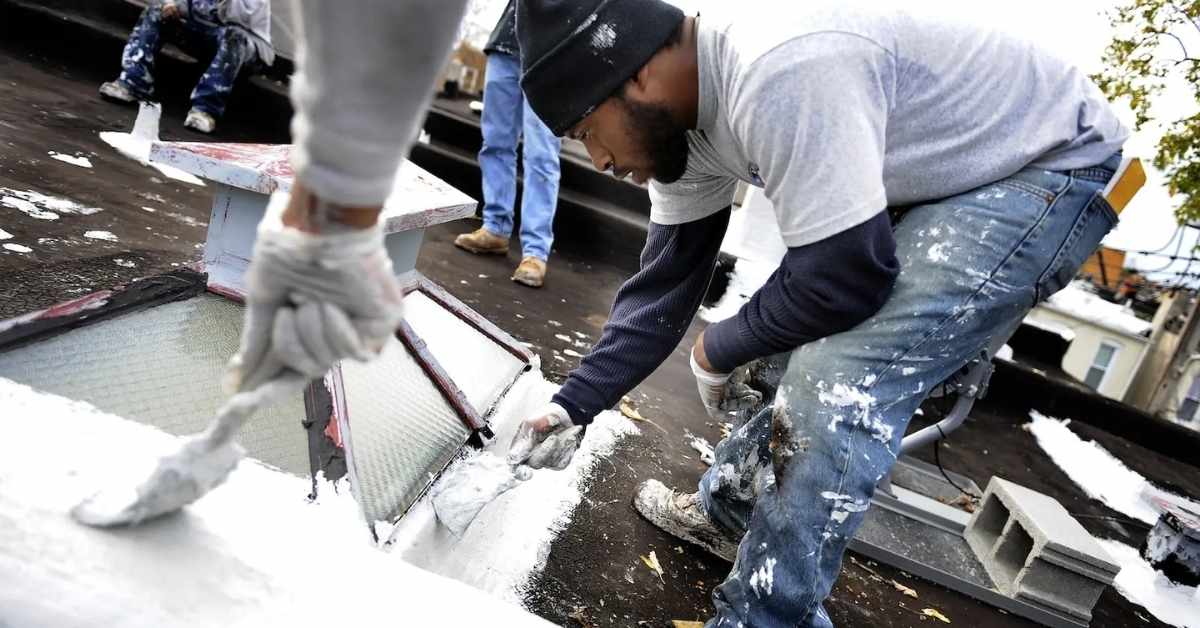
Cool roofs are a passive technology that requires no additional maintenance once installed. For flat commercial roofs, a simple coat of white paint can do the trick. Manufacturers also produce special cool roof shingles that reflect more sunlight. These options are either comparable or even cheaper to install than traditional roofing materials. Additionally, cool roofs extend the lifespan of the roof by reducing the stress caused by temperature fluctuations.
Urban Heat Island Effect and Its Consequences
Cities face challenges with the urban heat island effect, where built environments made of asphalt, brick, and concrete absorb more heat than rural areas. This can raise temperatures by up to 20 degrees Fahrenheit compared to surrounding countryside. At night, this stored heat is slowly released, keeping urban areas warmer into the morning.
Lower-income neighborhoods are particularly affected, as they often have less tree cover and fewer resources for cooling. Mark Conway, a council member who sponsored Baltimore’s cool roof ordinance, noted that these communities face a "triple whammy" of higher temperatures, lack of shade, and limited access to air conditioning.
Health Risks and Limitations of Air Conditioning
Extreme heat poses serious health risks, especially during prolonged heat waves. The body struggles to cool itself, leading to increased stress on those with asthma, heart conditions, and other vulnerabilities. Infants and the elderly are also at higher risk due to less efficient cooling mechanisms.
While air conditioners can help, they are not a complete solution. They consume significant energy, and in cities like Atlanta, where residents already face some of the highest energy burdens in the country, this can be a challenge. Moreover, air conditioners release heat outside, worsening the urban heat island effect. During power outages, homes without alternative cooling methods are at greater risk.
Complementary Strategies for Cooling Cities
In addition to cool roofs, cities are adopting other strategies to combat heat. For example, Cleveland has set a goal of ensuring all residents live within a 10-minute walk of a green space by 2045. Trees provide shade and release cooling water vapor, similar to natural vegetation. Parks and gardens also help manage rainwater, preventing flooding.
Metzger emphasized that cool roofs and trees work together to cool the city. “There’s a long list of reasons to plant as many trees as possible, and cool roofs don’t take away from that,” he said. Together, these solutions contribute to a more resilient and livable urban environment.

Post a Comment for "Atlanta adopts 'cool roofs' to combat urban heat"
Post a Comment