Arkansas Town Removes Camera Targeting Couple's Home
The Wolfs' Fight Against Warrantless Surveillance
Flock Safety, a company based in Atlanta that has been operating for eight years, promotes its license plate readers (LPRs) as powerful tools to "stop crime in its tracks with evidence that drives action." However, for Charlie and Angie Wolf, a retired couple living on Lone Pine Road South in Cleburne County, Arkansas, the installation of a Flock Safety Falcon LPR camera directly across from their home was a deeply personal intrusion. The camera, placed on May 13, regularly captured images of their driveway and front yard, tracking their movements and those of anyone visiting them.
The Wolfs were not alone in their concerns about the privacy implications of such surveillance technology. But local officials in Greers Ferry, the small town where the camera was installed, initially ignored their objections. Despite repeated requests from the couple to have the camera moved, city officials refused. It wasn't until the Institute for Justice raised constitutional concerns about the camera's placement that the situation changed.
"After months of warrantless surveillance, we're relieved the camera has finally been moved from in front of our home," Charlie Wolf said. "But nobody else should have to experience this either, and it's time for cities across the country to reassess whether partnering with Flock is really worth sacrificing our Fourth Amendment rights."
A Long Struggle for Privacy
The Wolfs first raised their concerns with the local police chief, Kallen Lacy, right after the camera was installed. When they asked if it could be repositioned, Lacy responded, "It's not moving." In June, the couple formally requested that the camera be relocated, arguing that its placement violated the Fourth Amendment’s ban on unreasonable searches.
In a letter to the city council, the Wolfs described how the camera was capturing images of their yard, curtilage, and vehicles every time someone entered or left their home. They emphasized that the surveillance occurred without any suspicion, probable cause, or judicial review. Their request included two key points: that the camera no longer photograph their yard, vehicles, or children, and that it stop logging their movements.
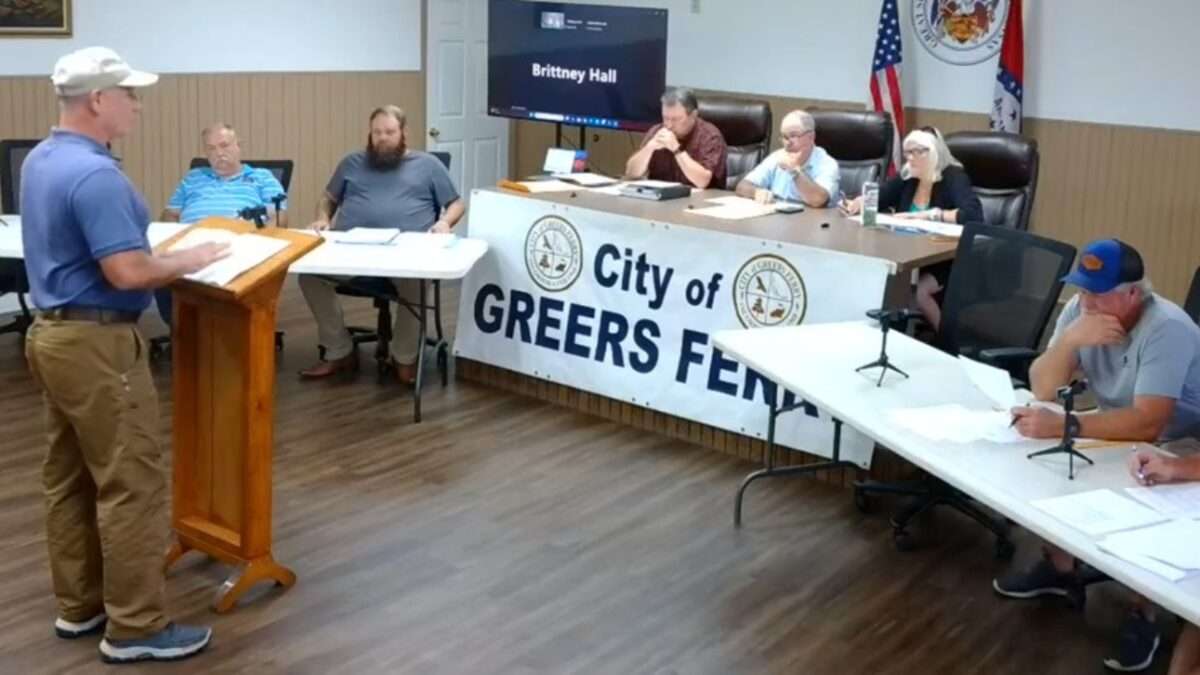
At a city council meeting, Charlie Wolf read the letter aloud, highlighting the intrusive nature of the camera. He noted that even his grandchildren had stopped visiting due to the constant surveillance. Despite these concerns, the city council remained unmoved.
The City's Initial Resistance
During the city council meeting, a representative from Flock Safety defended the company's products, while Police Chief Lacy acknowledged the Wolfs’ distress but maintained that the camera was a legitimate crime prevention measure. He pointed out that over 5,000 cities in the U.S. use similar LPR cameras in 46 states, claiming there was no constitutional violation.
City Attorney Blake Spears also dismissed the Wolfs’ concerns, suggesting they seek a court order if they wanted the camera removed. Lacy confirmed that the city had no plans to move the camera.
A Shift in Perspective
The city’s stance changed after receiving a letter from Joshua Windham, a senior attorney at the Institute for Justice. Windham highlighted the legal implications of the camera’s placement, referencing the Supreme Court’s 2018 decision in Carpenter v. United States. That case established that accessing historical cell site location data without a warrant violates a person’s reasonable expectation of privacy.
Windham argued that placing a surveillance camera in front of a home could similarly violate the Fourth Amendment. He cited recent rulings from state courts, including Colorado and South Dakota, which held that long-term video surveillance of a home without a warrant may constitute an unreasonable search.
Windham also referenced a lawsuit in Norfolk, Virginia, where a federal judge rejected the city’s motion to dismiss a case challenging the use of Flock cameras. The judge found that the surveillance described in the complaint resembled the type of unconstitutional monitoring struck down in Carpenter.
The City's Response
Following Windham’s letter, the city of Greers Ferry posted a defense of LPR cameras on its Facebook page, emphasizing their role in crime prevention. The post claimed that the cameras help recover stolen vehicles, solve crimes, and reduce crime rates. However, it did not address the constitutional concerns raised by the Wolfs or the Institute for Justice.
Despite the city’s claims, Windham reiterated that the use of these cameras raises significant Fourth Amendment issues. "We're thrilled that the Wolfs will no longer be subjected to constant warrantless surveillance of their property," he said. "That said, there are still massive Fourth Amendment concerns with the use of these license plate reader cameras, and we urge the city not to renew its contract with Flock Safety when the initial term is up."

Post a Comment for "Arkansas Town Removes Camera Targeting Couple's Home"
Post a Comment