Argentine Woman Finds Brother Snatched at Birth by Military Official
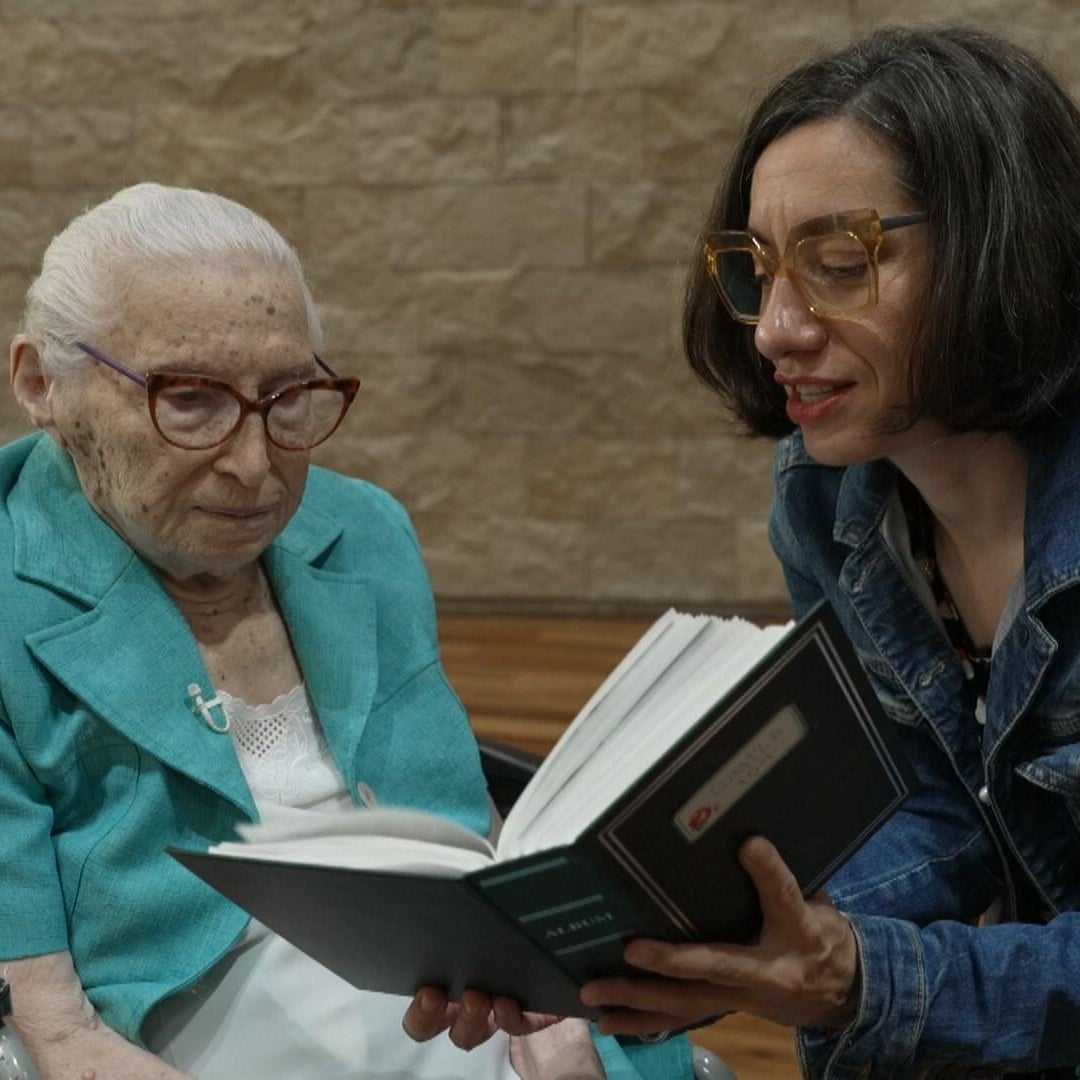
Argentina's Struggle for Truth and Memory
Argentina returned to democracy in 1983, but the trauma from those seven years of dictatorship continues to haunt the nation. While over a thousand military officials have been tried and convicted for kidnapping, torturing, and murdering Argentine citizens, many families of the 30,000 disappeared still do not know what happened to their loved ones. This is the story of one family’s search for a baby stolen by the military in 1978. It is a tale of truth and memory, both of which face challenges under the current leadership of President Javier Milei, a populist leader who has vowed to restore Argentina's greatness.
After years of economic stagnation and rampant inflation, Argentina elected an economist as its president in 2023: Javier Milei, known for his unconventional style, including his chainsaw-toting image and self-proclaimed status as a sex guru. As a true libertarian, he has received support for revitalizing the economy and reducing bureaucracy. However, he has also drawn criticism for his apparent sympathy for military rule, his denial of its brutality, and his efforts to cut funding for human rights programs.
The Legacy of Disappearance
Taty Almeida, now 95, is the president of the Mothers of the Plaza de Mayo. For half a century, she has searched for her son, Alejandro, who vanished one day while going to class. She recalls the pain of losing a child, describing it as a loss that feels like being ripped away from the most precious thing a mother can have.
Jon Wertheim asked Taty if she felt crazy when people called her "Los Locos," or the crazy ones. She responded that they were not crazy, but rather driven by pain, rage, and helplessness. She emphasized that mothers understand the depth of loss when a child is taken.
The Story of Patricia Roisinblit
Twenty-five years ago, 60 Minutes correspondent Bob Simon visited the Plaza de Mayo to report on the story of Patricia Roisinblit. In 1978, she was eight months pregnant when she and her husband, Jose, were taken by armed government forces. Patricia was sent to the ESMA death camp, where human rights groups estimate that 500 babies were born to mothers kept alive only long enough to give birth before being killed. These infants were then given to childless military couples.
Miriam Lewin, an investigative journalist, spoke about the systematic campaign to take children from their parents. She explained that the military believed they were acting with humanity by keeping the babies alive, but this was a cruel act meant to erase the subversive influence of the parents.
Patricia’s baby, Rodolfo, was taken from her shortly after birth. Her mother, Rosa, spent years searching for him through police stations, hospitals, and orphanages. Eventually, she became a founding member of the Abuelas, or Grandmothers of the Plaza de Mayo, dedicated to finding the stolen children.
A Long Search and a Reunion
Mariana, Rodolfo’s older sister, spent years searching for her brother. In 2000, she received an anonymous tip about a man named Guillermo Gomez, who might be her brother. When she visited him at a fast-food restaurant, the encounter was emotional and surreal. Guillermo initially denied any connection, but upon seeing a photograph of her father, he was stunned.
A DNA test confirmed that Guillermo and Mariana were siblings. However, the revelation came with a painful truth: the couple who raised Guillermo had kidnapped him and were involved in his mother’s capture. This led to a complex emotional journey for Guillermo, who struggled to reconcile his past with his new identity.
The Impact of Truth
Guillermo’s relationship with his adoptive parents was complicated. While he felt affection for Dora, the woman who raised him, he was terrified of Francisco Gomez, the man who had abducted him. This duality created tension within the family, especially for Mariana and Rosa, who felt betrayed by the adoption.
In court, Guillermo confronted Gomez, seeking answers about his parents’ deaths. Gomez remained silent, adding to the pain of the family. Despite the challenges, Guillermo eventually found a path forward, becoming a human rights lawyer and taking his grandmother’s place in the Abuelas.
The Importance of Knowing the Truth
Today, Mariana continues to perform plays that explore the themes of dictatorship, memory, and identity. She reflects on the importance of knowing the truth, even if it is painful. She believes that living with uncertainty is worse than facing the reality of what happened.
For Guillermo, the journey has been difficult, but he does not regret discovering the truth. He sees his life as a positive outcome of the events that shaped him. He emphasizes that knowing the truth, no matter how painful, is better than living in ignorance.
As Argentina faces ongoing challenges under President Milei, the stories of those who seek truth and memory remain crucial. They remind the nation of the importance of confronting the past and striving for justice.

Post a Comment for "Argentine Woman Finds Brother Snatched at Birth by Military Official"
Post a Comment