Ancient Maya Tomb Unearthed, Possibly Linked to Legendary King
Unearthing the Legacy of Caracol’s First Ruler
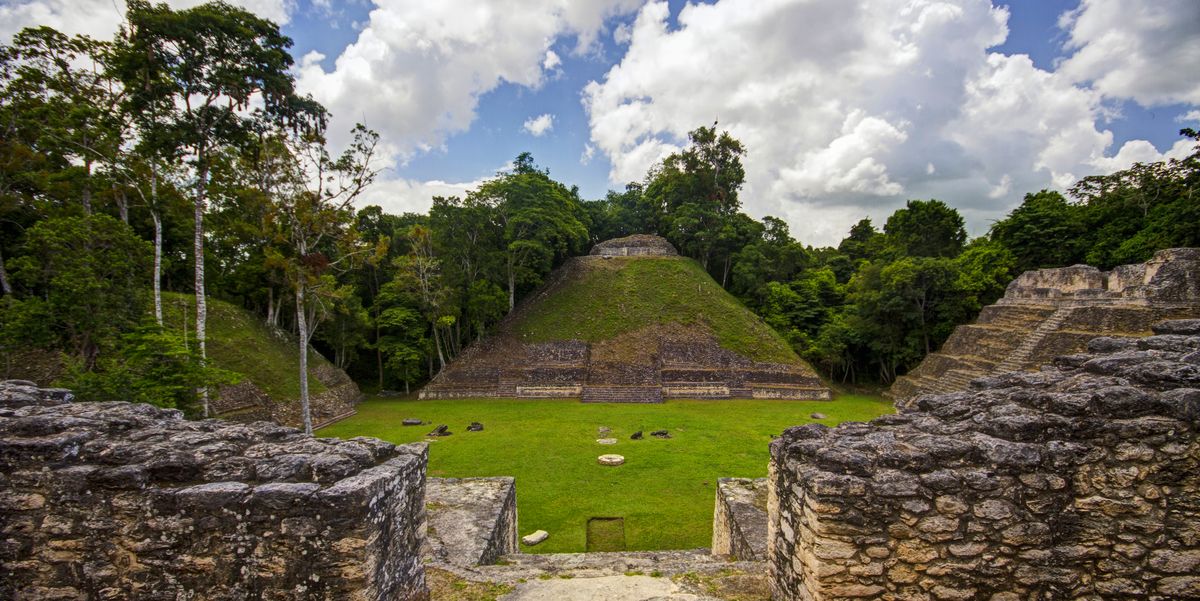
The discovery of a potential tomb linked to Te K’ab Chaak, the first dynastic leader of Caracol, has sparked renewed interest in the ancient Maya civilization. This significant find, made by researchers from the University of Houston, marks the first identifiable ruler’s tomb found at Caracol in over 40 years. The tomb is believed to belong to Te K’ab Chaak, who founded the Maya dynasty and played a crucial role in shaping the political landscape of the region.
Caracol was a major city in the Maya civilization, which was one of the largest ancient societies in Mesoamerica. The understanding of this culture continues to evolve, much like the ocean—expanding with each new discovery. The recent findings offer valuable insights into the early interactions between the Maya and other Mesoamerican civilizations, particularly Teotihuacán.
Artifacts and Insights from the Tombs
Te K’ab Chaak’s burial site contained various artifacts that provide a glimpse into his life and the cultural practices of the time. These items included pottery, carved bone tubes, jadeite jewelry and masks, and oyster shells. Some of the pottery vessels depicted vivid scenes, such as the ruler receiving offerings from the gods and the Maya god of traders, Ek Chuah, surrounded by ritual offerings. Additionally, four vessels illustrated bound captives, offering a visual narrative of the era's customs and beliefs.
In addition to Te K’ab Chaak’s tomb, two more burial sites were discovered at Caracol, all dating back to around 350 A.D. One of these was a cremation site containing the remains of three individuals, along with knives, atlatl spear points, and obsidian blades from Pachuca, Mexico. These items are typically associated with high-status nobles in Teotihuacán, suggesting a connection between the Maya and this pre-Aztec city.
Another tomb, discovered in 2009, belonged to a woman and contained pottery vessels, a beaded necklace, mirror fragments, and shells. These findings contribute to the growing body of evidence that the Maya were influenced by Mesoamerican cultures earlier than previously thought.
Cultural Connections and New Perspectives
Before these discoveries, experts believed that Teotihuacán emerged long after the time of Te K’ab Chaak and others. However, the data from the three tombs have complicated this understanding. According to Diane Chase, the findings suggest widespread pan-Mesoamerican connections occurred after an event in 378 AD known as “entrada.” This indicates that the Maya were engaged with other Mesoamerican civilizations much earlier than previously assumed.
Arlen Chase highlighted that both central Mexico and the Maya area were aware of each other’s ritual practices, as seen in the Caracol cremation. The connections between these regions were likely established through formal diplomatic relationships involving the highest levels of society. This implies that early Maya kings, such as Te K’ab Chaak, had significant interactions with Teotihuacán.
Ongoing Research and Future Discoveries
Research at Caracol continues as experts work to reconstruct the jadeite mask and analyze the DNA of skeletal materials. These efforts will further our understanding of the lives and deaths of those buried in the tombs. The Chases plan to present their findings at a conference held by the Maya Working Group at the Santa Fe Institute in August 2025, where they will share insights into the ongoing study of these remarkable discoveries.
As the investigation progresses, it becomes clear that there is still much to learn about the ancient Maya. Each new finding adds another layer to our knowledge, revealing the complexity and richness of this once-great civilization. The continued exploration of Caracol promises to uncover more secrets, deepening our appreciation for the achievements and interactions of the Maya people.

Post a Comment for "Ancient Maya Tomb Unearthed, Possibly Linked to Legendary King"
Post a Comment