American Airlines Surprises Canadians With Bold New Proposal
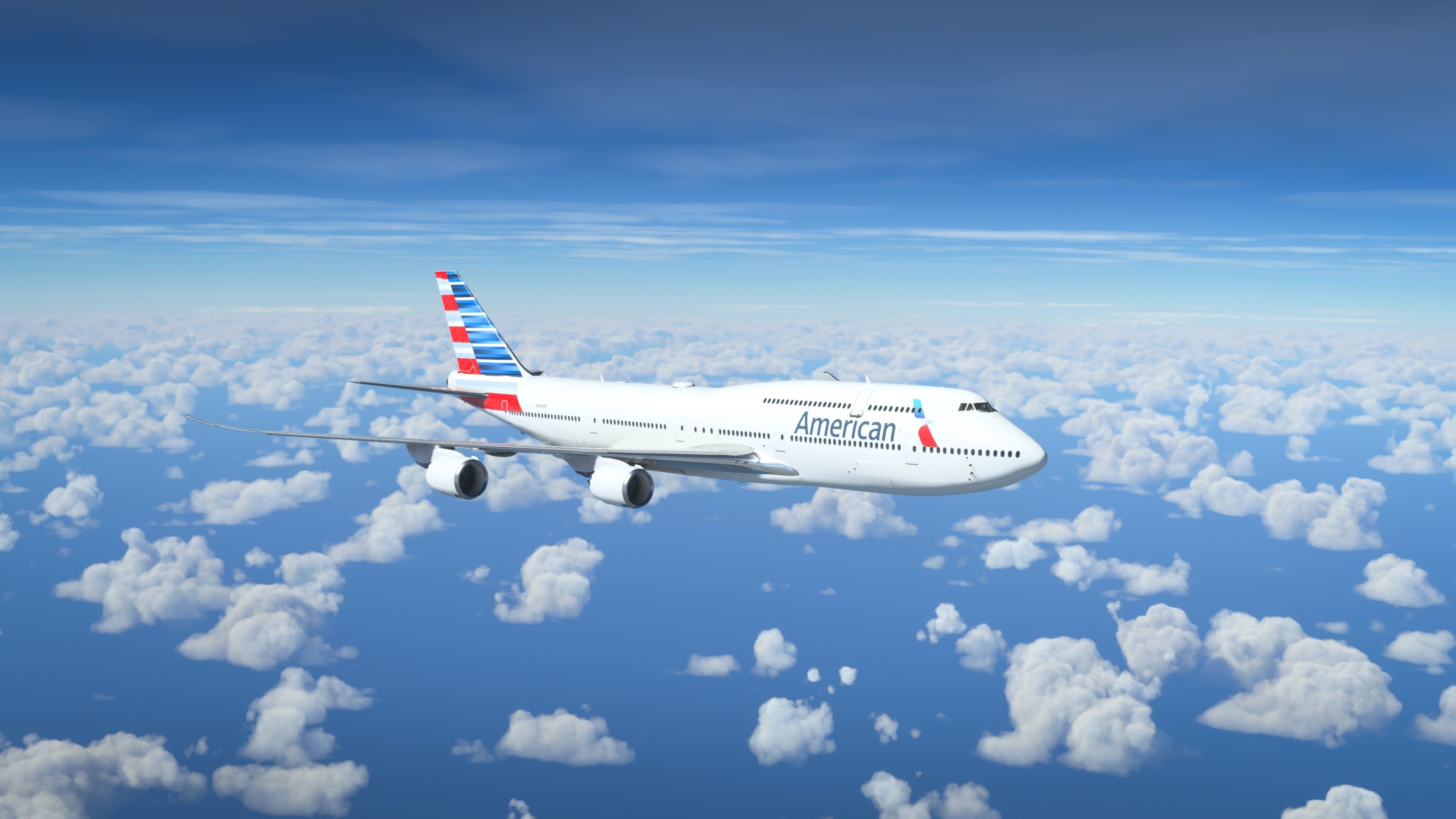
American Airlines Expands International Reach with New Codeshare Partnership
American Airlines is making significant moves in the global aviation landscape, particularly in international markets. The airline has been praised for introducing new routes to popular destinations in Mexico and the Dominican Republic. However, this expansion contrasts sharply with a reduction in domestic flight offerings, as over 76,000 domestic travel seats have been cancelled as of August.
In an effort to diversify its operations, American Airlines is now exploring a codesharing partnership with a Canadian airline. This move aligns with the airline's broader strategy, even though current travel between Canada and the United States remains limited. The partnership, however, has come as a surprise to many Canadians, especially given that one Canadian airline is increasing its U.S. flights rather than reducing them.
Understanding Codesharing Agreements
Codesharing agreements allow airlines to sell seats on flights operated by other carriers. This collaboration simplifies the travel experience for passengers, enabling them to create seamless itineraries that combine flights from different airlines. It also streamlines processes such as check-in, booking, and baggage handling, particularly for travelers making connections.
American Airlines already maintains several codesharing partnerships, including those with OneWorld alliance members. Some of these partners include:
- Alaska Airlines
- British Airways
- Cathay Pacific
- Fiji Airways
- Finnair
- Iberia Japan Airlines
- Malaysia Airlines
- Oman Air
- Qantas
- Qatar Airways
- Royal Air Maroc
- Royal Jordanian Airlines
- SriLankan Airlines
Additional partners include Cape Air, IndiGo, Hawaiian Airlines, and Etihad Airways. Despite these extensive relationships, a partnership with a Canadian carrier had remained elusive until now.
A Strategic Move with Porter Airlines
American Airlines and Porter Airlines have submitted a request to the Department of Transportation (DOT) to establish a codeshare agreement. This would allow American to use its AA code on Porter flights, while Porter can add its PD code to American routes. Although the partnership has not been officially confirmed, an announcement is expected soon.
The decision benefits both airlines, as they are moving in similar directions. For instance, Porter Airlines has increased its U.S. flights despite ongoing tensions between Canada and the United States. Unlike other major Canadian airlines, which have reduced or cancelled routes, Porter has focused on expanding its domestic services while adding U.S. destinations such as Phoenix, San Diego, and New York-LaGuardia. It has also boosted service to Las Vegas and Fort Lauderdale.
Porter Airlines emphasized its commitment to the U.S. market, stating, “While there may currently be instability with Canada-U.S. travel, we view New York as a key long-term market for Porter.” The airline also noted that there has been an overall increase in U.S. travel on its flights, highlighting the dynamic nature of the current environment.
Shifting Priorities and Future Directions
American Airlines has also made decisions regarding other potential partnerships. Earlier this year, the airline’s Vice Chair and Chief Strategy Officer, Steve Johnson, announced that a proposed partnership with JetBlue would not proceed. Despite initial efforts to renew their relationship, Johnson stated that JetBlue was focusing on different business priorities. As a result, American Airlines is shifting its focus to the Northeast market, particularly in New York and Boston.
Despite this setback, the airline continues to explore opportunities for growth, both domestically and internationally. Its recent partnership with Porter Airlines exemplifies this forward-thinking approach, positioning American Airlines to capitalize on emerging trends in the aviation industry.
Final Thoughts
The potential codeshare agreement between American Airlines and Porter Airlines marks a strategic shift for both companies. While the timing may raise questions, the alignment of their operational goals makes this partnership a logical step. As the aviation landscape continues to evolve, such collaborations will likely play a crucial role in shaping future travel options. What do you think about this move? Is it a smart decision for both airlines? Share your thoughts below.

Post a Comment for "American Airlines Surprises Canadians With Bold New Proposal"
Post a Comment