A 20-Year Timeline of the Jeffrey Epstein Investigation
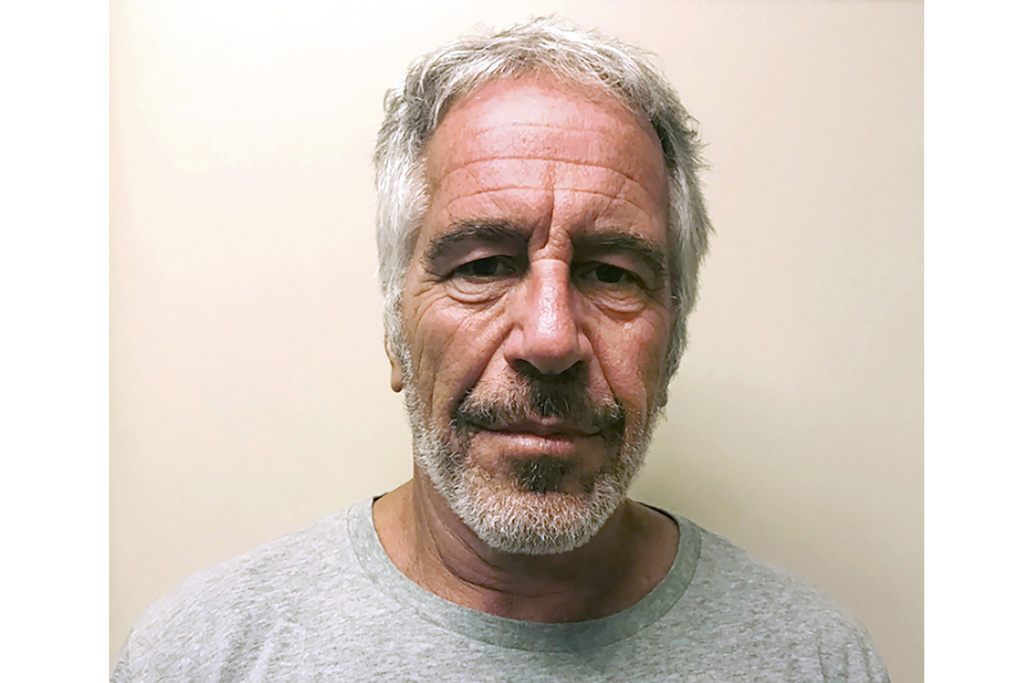
The Complex and Controversial Timeline of the Jeffrey Epstein Case
The case involving financier Jeffrey Epstein has captivated public attention for over a decade, marked by legal battles, conspiracy theories, and high-profile connections. Despite efforts by former President Donald Trump to shift focus away from the matter, interest in the case has remained intense, especially as new developments continue to surface.
Jeffrey Epstein first came under scrutiny in 2005 after a 14-year-old girl reported being molested at his mansion in Palm Beach, Florida. Subsequent investigations revealed that multiple underage girls, many of whom were high school students, had been involved in sexual activities with Epstein. These allegations led to a series of legal proceedings that would span years.
In July 2006, Epstein was arrested on charges of soliciting prostitution. The relatively minor charge sparked criticism from local law enforcement officials, who accused the prosecutor, Barry Krischer, of giving Epstein special treatment. This controversy prompted the FBI to launch its own investigation into the case.
By June 2008, Epstein pleaded guilty to state charges, including soliciting prostitution from someone under the age of 18. He received an 18-month jail sentence but served most of it in a work-release program. A secret agreement between Epstein's legal team and the U.S. attorney’s office in Miami ensured that he would not face federal prosecution for any related crimes.
Following his release in 2009, several women came forward to claim they were victims of Epstein's abuse. One such accuser, Virginia Giuffre, alleged that Epstein and his girlfriend, Ghislaine Maxwell, arranged encounters with powerful individuals, including Britain’s Prince Andrew. All those named denied the allegations.
In November 2018, renewed media attention focused on the handling of Epstein’s initial case, particularly the role of Alexander Acosta, then the U.S. labor secretary. This coverage reignited public interest in the case and led to increased scrutiny of Epstein's legal history.
On July 6, 2019, Epstein was arrested on federal sex trafficking charges, marking a significant turning point in the case. Acosta resigned shortly thereafter due to public backlash over his involvement in the earlier plea deal.
Epstein’s life ended abruptly on August 10, 2019, when he was found dead in his cell at a federal jail in New York City. His death was ruled a suicide.
In July 2020, Ghislaine Maxwell faced charges for her role in Epstein's crimes. She was convicted in December 2021 and sentenced to 20 years in prison in June 2022.
Public interest in the case surged again in January 2024 when a judge unsealed thousands of pages of court records in a civil lawsuit involving one of Epstein’s victims. Although much of the information was already public, the document dump fueled calls for more transparency.
In February 2025, former Attorney General Pam Bondi suggested that an "Epstein client list" was available, sparking further speculation. However, the Justice Department later clarified that no such list existed and that no additional files would be made public.
Amid these developments, a letter allegedly bearing Donald Trump’s name surfaced in a 2003 album celebrating Epstein’s 50th birthday. Trump denied writing the letter, calling it false and defamatory, and subsequently sued the newspaper and media mogul Rupert Murdoch.
In July 2025, the Trump administration sought to unseal grand jury transcripts related to Epstein’s case, aiming to resolve a political crisis. A judge rejected the request in Florida, though similar requests in New York remained pending. Meanwhile, a House Oversight subcommittee voted to subpoena the Justice Department for files, and Maxwell was ordered to testify before committee officials in August.

Post a Comment for "A 20-Year Timeline of the Jeffrey Epstein Investigation"
Post a Comment