8 Essential Hurricane Prep Tips
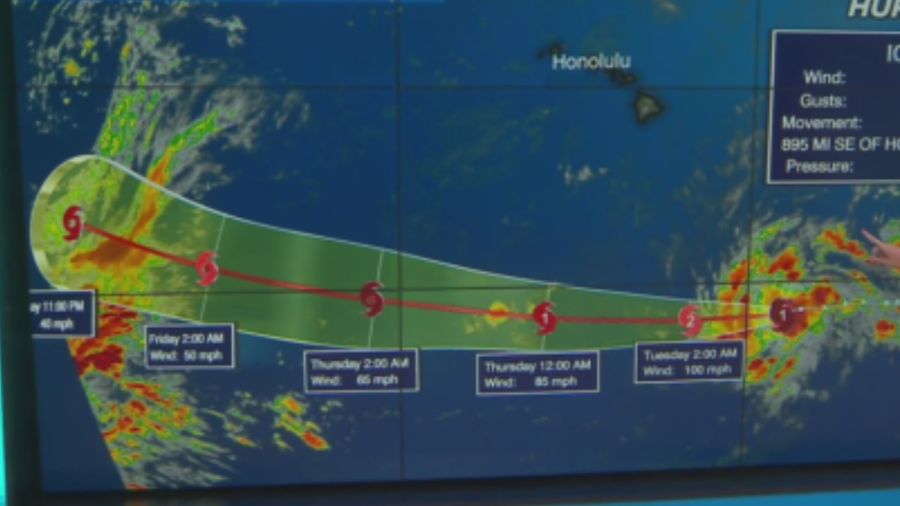
Preparing for Hurricane Season in Hawaiʻi
As hurricane season approaches in Hawaiʻi, it's essential for every family to take the necessary steps to ensure their safety and well-being. The National Weather Service emphasizes that preparation is key, and waiting until a storm is imminent can put you at risk. The sooner you start getting ready, the better equipped you'll be when the storm arrives.
Creating an emergency kit is not just a task; it's a lifeline that can save lives during a disaster. According to the State of Hawaiʻi’s guide to hurricane preparedness, each person should have enough supplies to last at least 14 days. Here is a detailed checklist to help you prepare effectively.
Food and Water
Water is one of the most critical resources during a hurricane. The guide recommends that each person needs one gallon of water per day for drinking and basic washing. Multiply that by 14 days per person and store the water in sealed containers in a cool, dry place.
For food, opt for non-perishable items such as canned meats, fruits, and vegetables. Granola bars, crackers, and nut butters are also good options. Don’t forget to include a manual can opener. If you have a baby, pack formula and baby food. Pets also need their own food and water.
Health and First Aid
A first aid kit is essential. Include bandages, antiseptic, tweezers, and gloves. Make sure to have prescription medicine for 14 days. Extra glasses or contacts and cleaning solution should also be part of your kit. Add soap, hand sanitizer, disinfectant wipes, and feminine products. Sunscreen and insect repellent are also important.
Power and Communication
After a storm, cell phone service and internet may not be available. Consider alternative communication methods like HAM radios, shortwave radios, and walkie talkies. A NOAA weather radio is also useful. Keep portable phone chargers, especially solar ones. Lights, flashlights, and camping lamps with extra batteries are crucial. A crank-powered flashlight and radio can serve as a backup.
Documents and Money
Make copies of important documents such as ID, insurance papers, and health records. Seal them in a waterproof bag. Keep emergency phone numbers on paper. Cash is essential in disaster situations since credit card machines and ATMs may be down. Have small bills ready for purchases.
Clothing and Shelter
Pack extra clothing suitable for various weather conditions. Include lightweight, moisture-wicking clothes for heat and long-sleeved shirts and pants for protection against mosquitoes and debris. Waterproof jackets or ponchos are a must. Sturdy, closed-toe shoes or boots are essential for walking through flooded areas. Each family member should have a blanket or sleeping bag. Emergency thermal blankets can retain body heat in cold conditions. Consider a small, collapsible tent for additional protection if needed.
Toiletries and Sanitation
Basic toiletries such as toilet paper, toothbrushes, toothpaste, soap, deodorant, and feminine hygiene products should be included for each person for 14 days. Moist wipes or baby wipes are useful when water is scarce. Hand sanitizer is a must. Garbage bags and twist or zip ties can serve multiple purposes. A bucket with a tight-fitting lid can function as an emergency toilet. Add air freshener or disinfectant spray to manage odor.
For Children and Kūpuna
Infants and toddlers require diapers, baby wipes, formula, baby food, and clean bottles. Comfort items like a favorite blanket or stuffed animal can help reduce stress. For kūpuna, prepare a supply of medications for 14 days along with a printed list of prescriptions, dosages, and medical conditions. Include any special medical equipment they rely on, such as walkers or CPAP machines, and ensure spare batteries or backup power sources are available.
For Pets
Pack at least a week’s supply of pet food and water, along with collapsible bowls. Bring a sturdy leash, harness, or carrier for safe transport. Include necessary medications, flea or tick treatments, and a copy of your pet’s medical records. Waste bags, litter, or puppy pads are essential for sanitation. Keep a recent photo of you with your pet and identifying information such as microchip number or ID tags. Pack a favorite toy or blanket to reduce anxiety.
Every family in Hawaiʻi needs to prepare ahead. Taking the necessary steps to protect yourself and your family in case the big one finally hits is crucial.

Post a Comment for "8 Essential Hurricane Prep Tips"
Post a Comment