5 Surprising Benefits of Spatial Computing You Won't Expect
Enhancing Collaboration Through Spatial Computing
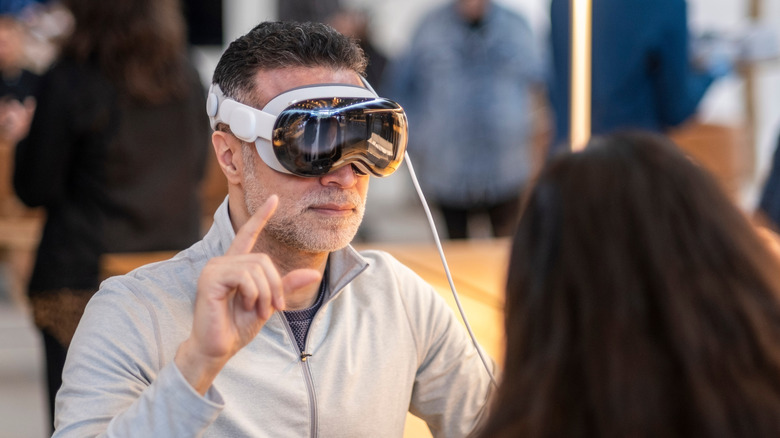
The shift to remote work during the pandemic highlighted the challenges of coordinating with colleagues across different teams and locations. This environment often led to reduced productivity and a lack of engagement. Spatial computing offers a solution by enabling teams to collaborate in shared virtual spaces, regardless of physical barriers. Using AR and VR headsets, team members can interact with 3D models, annotate documents, and brainstorm in real-time through virtual whiteboards. This experience closely mimics physical presence, which traditional video conferencing cannot achieve.
For example, architects and engineers can use platforms like Microsoft Mesh to explore virtual building models, walking through the structure to identify design flaws or optimize layouts before construction begins. This not only saves time but also reduces costs. In creative industries, game developers can co-create intricate virtual worlds, manipulating assets in real-time to streamline workflows. Startups working on hardware products can view and modify 3D models of their prototypes without needing to build actual products for every change.
Spatial computing also enhances cross-cultural teamwork by integrating real-time translation overlays for those who speak different languages. By providing intuitive tools and a sense of shared presence, it supports seamless and efficient collaboration across multiple sectors, making it akin to a virtual conference room where anyone from anywhere can join and contribute.
Hands-On, Realistic Training for Surgeries
Medical students and trainees require extensive training to perform surgeries effectively. Traditional methods often involve cadavers, which may not be accessible or comfortable for all. Spatial computing provides realistic, hands-on simulations that replicate the complexities of an operating room. Platforms like Osso VR allow medical students and surgeons to practice procedures using 3D anatomical models, with haptic feedback simulating the feel of real tissue and bone.
Trainees can repeat virtual surgeries as many times as needed, receiving instant feedback on technique and accuracy. This repeated practice helps reduce errors and builds confidence. Augmented Reality can also overlay critical data such as MRI scans or vital signs directly onto a patient’s body during actual procedures. Even seasoned practitioners can benefit by practicing different procedures to master them.
Additionally, multiple trainees can join a virtual operating room using VR headsets to practice teamwork in emergencies. Doctors can simulate specific cases aligned with their patients’ needs, better preparing for real procedures. This collaborative approach ensures that medical professionals are well-equipped for complex scenarios.
Precise Training for Industrial Maintenance and Repair
Maintaining industrial machinery is crucial, and spatial computing can streamline this process. AR glasses can produce precise and interactive simulations of complex machinery, helping technicians carry out repairs and maintenance without extensive prior experience. This is especially useful for training new technicians, allowing them to master skills safely without risking equipment or personal safety.
Mixed reality environments enable trainees to practice tasks like assembling products or troubleshooting systems. Guiding technicians through intricate aircraft wiring or car engines can significantly reduce errors. VR platforms also allow workers to train on high-risk equipment in a safe environment. Advanced headsets can facilitate remote expert assistance, where experienced professionals guide on-site workers via AR.
This technology benefits industries such as aerospace, manufacturing, and construction by saving time, improving safety, and enhancing efficiency. Technicians with basic training in one sector can utilize AR overlays to work on various types of machinery across different domains.
Immersive Education
Spatial computing can transform education by creating immersive and interactive learning environments. Students can explore historical events as if they were part of them, deepening their connection to the subject. AR enhances classroom learning by overlaying interactive elements such as 3D molecular structures in chemistry or virtual dissections in biology.
Medical students can interact with detailed anatomical models, while engineering students can design and test virtual bridges or circuits in real time. Students can join classes from anywhere in the world, overcoming geographical limitations and resource constraints. Personalized learning allows students to engage with content at their own pace.
In language education, VR can simulate cultural environments like virtual marketplaces to practice conversational skills. Once students enjoy this teaching methodology, it can be applied to all subjects, creating a uniform approach that makes learning easier and more engaging.
Improved Navigation
Navigation using apps like Google Maps or Apple Maps is common, but AR-enabled devices offer a more seamless experience. AR glasses can overlay real-time directions in front of the user, eliminating the need to constantly check a phone. Features like Google Maps' AR Live View project walking directions onto city streets, reducing confusion at intersections.
AR can also assist with indoor navigation, guiding users to specific locations in airports or malls. Warehouse workers can efficiently locate items using headsets, and visually impaired individuals can use spatial computing apps with audio cues for accessible navigation. Tourists can take guided tours through monuments with virtual overlays, showcasing the endless possibilities of VR and AR.

Post a Comment for "5 Surprising Benefits of Spatial Computing You Won't Expect"
Post a Comment