"220 Bucks Saved": Frugal Folks Share Strange Habits, And I'm Copying Them Now
Frugal Habits That Help Save Money in 2025
Saving money can be a challenge, especially with rising costs and inflation. However, many people have found clever ways to stretch their budgets and make every dollar count. From meal planning to reusing everyday items, there are countless frugal habits that can help reduce expenses without sacrificing comfort or quality.
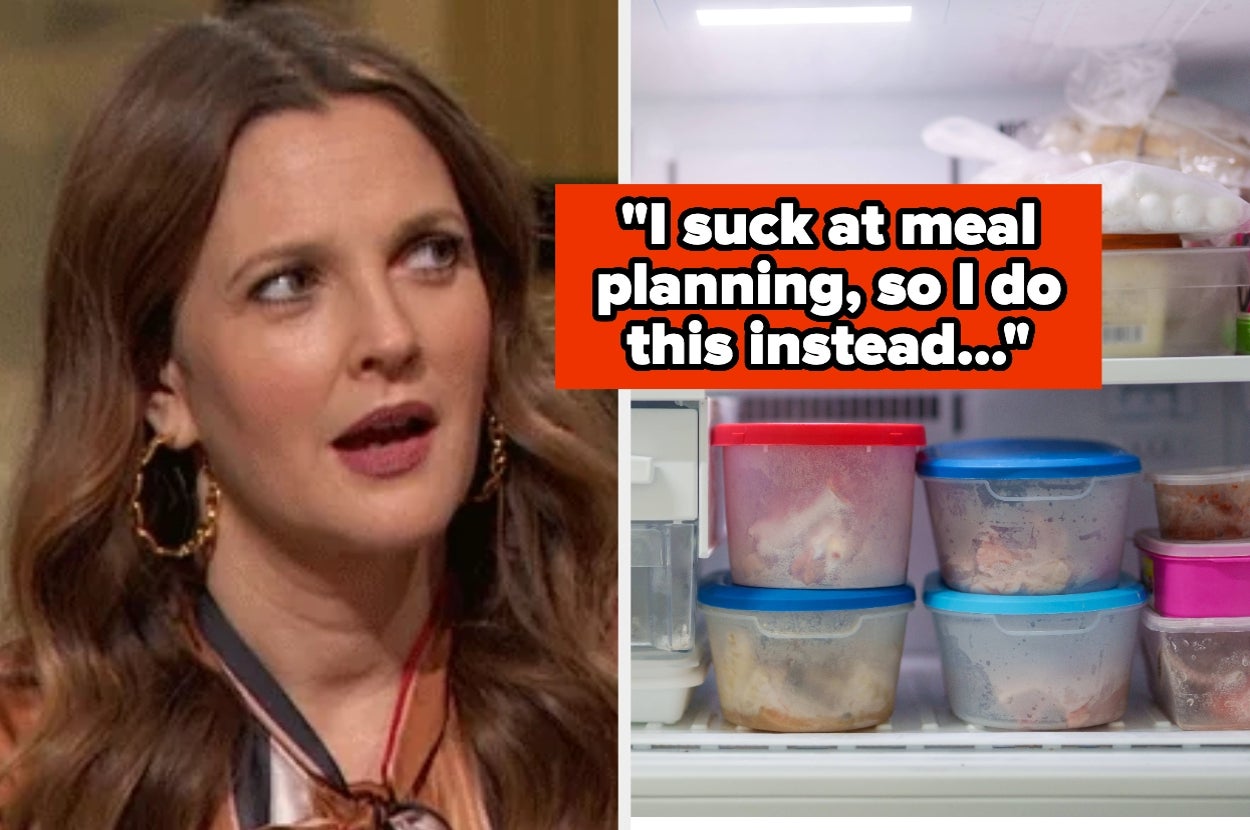
One popular approach is meal prepping. Many individuals find it difficult to plan meals ahead of time, but they’ve discovered a simple solution: doubling recipes and freezing the extra portions. This method ensures that even on busy days, there’s always something ready to eat. It also helps reduce food waste and saves time in the long run.
Another unusual yet effective habit is saving water from boiling eggs or other cooking tasks to use for watering plants. The cooled water is rich in nutrients and can be repurposed for gardening, which not only conserves water but also benefits plant growth. Similarly, some people collect water used for washing fruits and vegetables and use it to water their indoor or outdoor plants.
Cutting one's own hair has become a common practice among frugal individuals. Learning to do it at home through online tutorials can save hundreds of dollars annually. Not only does this save money, but it also gives more control over the final look.
Reducing waste is another key strategy. Some people choose to opt for monthly rubbish collection instead of weekly, which cuts down on disposal costs. Others focus on minimizing excess by keeping track of leftovers and using them for snacks or future meals. Even small actions, like saving napkins from restaurants, can add up over time.
Using an e-bike instead of public transportation is another way to save money. While it still requires electricity, the cost savings from avoiding transit fares can be significant. Additionally, sun-drying clothes and bed linens not only saves energy but also gives a fresh, natural scent that many find appealing.
Taking advantage of leftover food from school events or office lunches is another smart move. Non-refrigerated items like bagels, desserts, and drinks can be taken home and either frozen or shared with family members. This habit helps avoid throwing away edible food and reduces the need to buy new items.
Some people get creative with household items. For example, cutting kitchen sponges in half extends their lifespan, while using bread bags for diapers or dog waste provides a cost-effective alternative to disposable products. Reusable silicone mats and bags replace single-use options, reducing plastic waste and long-term costs.
Organizing drawers with recycled materials like cereal boxes is another innovative idea. By repurposing cardboard, individuals can save money on store-bought organizers while maintaining a neat and tidy space.
Creating budget-friendly meals, such as $1 pasta dishes or sausages with onions, is a practical way to cut down on food expenses. Many people also make their own skincare products, like using sugar and drugstore face wash as an exfoliator, which can save money on expensive beauty products.
Repurposing soap slivers into a single bar is a great way to minimize waste and avoid buying new soap. Similarly, using old clothes as rags for cleaning or taking advantage of takeout utensils for future events can lead to significant savings.
Purchasing discounted meat and using credit card interest calculations to stay mindful of spending are additional strategies that help manage finances effectively. Baking with butter wrappers for greasing pans and scraping out remaining product from makeup containers are small but impactful habits that prevent waste.
Planning meals around grocery store sales and tracking unit pricing when shopping can also lead to substantial savings. Using plastic produce bags to line trash cans and managing power consumption by unplugging devices when not in use further contribute to a more economical lifestyle.
These frugal habits, though sometimes considered unusual, can have a major impact on personal finances. Whether it's reusing items, planning meals, or being mindful of spending, there are countless ways to save money without compromising on quality of life. What frugal habits do you rely on? Share your experiences and tips with others.

Post a Comment for ""220 Bucks Saved": Frugal Folks Share Strange Habits, And I'm Copying Them Now"
Post a Comment