21 Native Birds Found Dead in East Honolulu Over Weekend
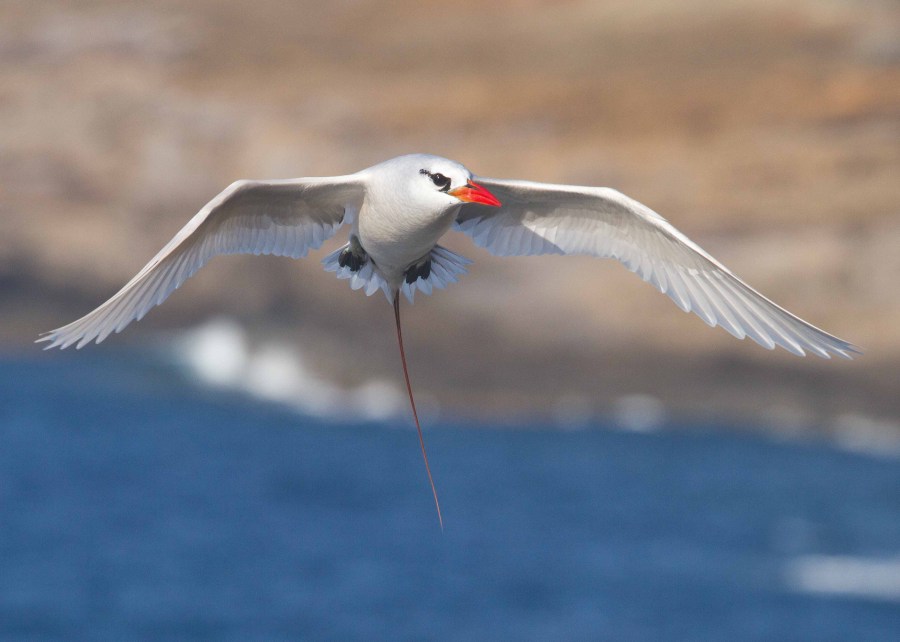
A Tragic Discovery and a Call for Action
On Saturday, Dr. Eric VanderWerf, executive director of Pacific Rim Conservation, made a shocking discovery near Halona on Oahu’s East shore. He found 21 native birds dead, including six adult koa’e’ula or red-trailed tropic birds and 15 chicks. This alarming event has raised concerns about the safety of these endangered species in the area.
Dr. VanderWerf has been monitoring the koa’e’ula colony for two decades. He noted that the colony had been growing steadily and was doing well until this recent tragedy. The area is the only place on Oahu where these birds nest, making it crucial to protect them.
The incident occurred when he checked the nests over the weekend. He discovered that the birds had been killed by feral cats. Two years ago, a feral cat feeding colony appeared at Lanai Lookout. On Sunday, he found multiple bowls and plates in the bushes where people leave food for the cats.
As a cat owner himself, Dr. VanderWerf is baffled by why people continue to feed the cats in this area. He explained that the cats must cross busy Kalanianaole Highway to get food, which puts them at risk of being hit by cars. In recent months, he has seen several dead cats along the road.
Unfortunately, the appearance of the cat colony coincided with the death of native chicks. Dr. VanderWerf emphasized that the area is not safe for the birds. While he is not anti-cat, he believes the cats should be better cared for and not left in this dangerous location.
He pointed out that there are also mongoose in the area, but they are not strong enough to kill adult birds. Koa’e’ula are strong birds with sharp beaks and can defend themselves. They also screech loudly when threatened, which may deter predators like mongoose and rats. However, cats are more aggressive and stronger, making them a greater threat.
According to the Department of Land and Natural Resources (DLNR), koa’e’ula pairs remain together for years. Dr. VanderWerf found a dead adult bird in its nest on Saturday. When he took KHON2 to the spot on Sunday, the other pair returned and sat by the side of the deceased bird.
He stressed the importance of stopping the feeding of cats in the area. If the cats are not attracted to the location, some will leave, and the remaining ones can be humanely trapped and taken to the Humane Society or a shelter. This approach would be more humane for the cats than leaving them in the dangerous environment.
Currently, Hawaii County is considering a ban on feeding cats at county parks due to the risk of toxoplasmosis in native birds, mammals, and humans. The bill passed its first reading last week, but an amendment was added allowing certified cat caretakers to continue feeding cats under a two-year pilot program.
Joran Lerma, executive director of Nene Research and Conservation, supported Bill 51 but disagrees with the new amendment. He explained that certified cat colony feeders are certified by a cat organization, not the county. This lack of oversight raises concerns about the effectiveness of the bill.
Bill 51 was introduced by Council Member Matt Kanealiʻi-Kleinfelder, who was unable to attend the meeting due to a family emergency. The bill will be heard again on August 6.
Halona and Lanai Lookout fall under city jurisdiction. It is already illegal to feed cats at state-owned harbors. The city has partnered with the Humane Society to control free-roaming cats through programs like feral kitten adoption, trap-neuter-return, and manage initiatives. Dr. VanderWerf hopes more can be done soon in the affected area.
Back on Hawaii Island, Bill 51 sparked hours of testimony, mostly from people opposing the ban on cat-feeding. Lerma mentioned that conservationists often face backlash for advocating protections for native species. Many individuals spend their own time, money, and resources to care for the cats, similar to the efforts of conservationists.
Lerma shared that his family has received harassing messages from those who want to continue feeding the cats. He emphasized the toll it takes on those working to protect native species. For him, it's worth it to ensure future generations can experience the natural beauty of Hawaii.
Protecting native species is a critical mission that requires ongoing efforts and community support. The tragic deaths of the koa’e’ula birds highlight the urgent need for action to safeguard these vulnerable creatures.

Post a Comment for "21 Native Birds Found Dead in East Honolulu Over Weekend"
Post a Comment