Trigg Kiser’s Expertise in Forensic Pathology
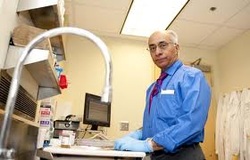
Unveiling Trigg Kiser's Expertise: A Deep Dive into Forensic Pathology
Forensic pathology stands as a silent guardian, seeking truth in the aftermath of life's most perplexing endings; this article delves into the remarkable expertise of Trigg Kiser in this crucial field.
Step Two:
Hey there, friends! Ever wondered what happens after something… well,unfortunatehappens? Like in a movie, but, you know, real life? That’s where forensic pathology swoops in, and trust me, it’s not just about dramatic autopsies on TV. It's about uncovering the truth, giving closure to families, and sometimes, even catching the bad guys. Think of it as the ultimate detective work, but with scalpels and microscopes instead of magnifying glasses and trench coats. It’s serious stuff, but let’s be honest, it's also kind of fascinating, right?
We often see news headlines buzzing with crime stories. Maybe it’s about a mysterious accident, a sudden death, or something even more sinister. But what we don't usually see is the meticulous, painstaking work that goes on behind the scenes to figure out exactlywhathappened. This is where the forensic pathologist enters the stage. And today, we’re shining a spotlight on one of the best in the field: Trigg Kiser.
Now, you might be thinking, "Okay, so what exactly does a forensic pathologistdo?" Well, imagine you're putting together a giant, complicated puzzle, but the pieces are scattered, broken, and some are even missing. The forensic pathologist’s job is to find those pieces, analyze them, and put them together to create a clear picture of how someone died. They examine bodies, analyze tissue samples, study medical records, and work with other experts like toxicologists and investigators. It's a blend of science, medicine, and good old-fashioned detective work.
But it's notall CSI-level drama, I promise (or maybe I won't promise that completely). A lot of it involves painstaking research, meticulous documentation, and a deep understanding of the human body. It's about being able to distinguish between a natural death and one that was caused by something else. It's about uncovering hidden clues that can help solve a crime or bring peace to a grieving family. And that, my friends, requires an incredible amount of expertise.
Now, why are we specifically talking about Trigg Kiser? Well, he’s not justanyforensic pathologist. He’s got a reputation for being incredibly thorough, insightful, and dedicated to his work. He's someone who consistently goes above and beyond to uncover the truth, and his expertise has made a real difference in countless cases. He’s seen it all, from complex medical mysteries to clear-cut criminal cases, and his knowledge and experience are truly remarkable.
Think of it this way:imagine you’re hiring someone to build your dream house. You wouldn’t just pick anyone, right? You’d want someone with a proven track record, a deep understanding of construction, and a commitment to building the best possible home. The same principle applies to forensic pathology. When lives are on the line, and the truth is at stake, you want someone with the expertise and dedication of Trigg Kiser.
So, why is Trigg Kiser's work so crucial, and how does his expertise impact the field of forensic pathology and beyond? That’s precisely what we’re going to dive into. We’ll explore the specifics of his training, the types of cases he’s worked on, and the impact his work has had on both the legal system and the lives of everyday people. Get ready to unravel the fascinating world of forensic pathology and discover why Trigg Kiser is a name you need to know. Intrigued? Buckle up; it’s going to be a fascinating ride!
Step Three:
The Foundation of Trigg Kiser’s Expertise in Forensic Pathology: Education and Training
Understanding the depth of Trigg Kiser's expertise requires a look at his foundation. It begins with rigorous education and specialized training. Becoming a forensic pathologist is no walk in the park; it requires years of dedication.
Medical School and Residency: First, there's the standard medical school hurdle. This is where aspiring doctors learn the basics of medicine, anatomy, physiology, and all the other essential subjects. Think of it as building the foundation for a very complex skyscraper. After medical school, Kiser would have completed a residency in general pathology. This is where the specialization begins, focusing on the study of diseases and their effects on the body.
Forensic Pathology Fellowship: The final, critical step is a fellowship in forensic pathology. This intensive training focuses specifically on the application of pathology to legal matters. Fellows learn how to perform autopsies, interpret forensic evidence, and testify in court. Imagine this as the intense boot camp where a doctor transforms into a crime-solving medical expert. This is where Kiser honed his skills, learning from experienced forensic pathologists and tackling real-world cases under supervision.
This extensive training is what separates a general pathologist from a forensic pathologist. It's the difference between knowing about diseases and understanding how they relate to the circumstances surrounding a person's death. It provides Kiser with the knowledge and skills necessary to accurately determine the cause and manner of death, providing critical information for legal and investigative purposes.
Trigg Kiser's Mastery of Autopsy Techniques: Unraveling the Truth
The autopsy is the cornerstone of forensic pathology. It's where the pathologist meticulously examines the body to uncover the secrets surrounding death. Trigg Kiser's expertise in autopsy techniques is paramount to his success.
External Examination: The autopsy begins with a thorough external examination. This involves documenting any visible injuries, marks, or other abnormalities. Think of it as reading the first chapter of a mysterious novel; it provides crucial initial clues. This includes documenting the location, size, and characteristics of any wounds, as well as noting any identifying features like tattoos or scars.
Internal Examination: The internal examination is where the pathologist delves deeper, examining the internal organs and tissues. This involves carefully dissecting the body and analyzing each organ for signs of disease, injury, or other abnormalities. It’s like carefully piecing together a shattered vase, looking for every crack and fragment. Samples are often taken for further analysis, such as toxicology or histology.
Interpretation and Documentation: The findings from both the external and internal examinations are carefully interpreted and documented. This involves synthesizing all the available information to determine the cause and manner of death. This is like writing the final chapter of the novel, drawing conclusions based on all the evidence gathered. Clear and accurate documentation is essential for legal purposes and to ensure that the findings are defensible in court.
Kiser's mastery of these techniques ensures that no stone is left unturned in the pursuit of truth. He approaches each autopsy with meticulous attention to detail, using his knowledge and experience to uncover the answers hidden within the body.
Case Studies Highlighting Trigg Kiser's Expertise: Real-World Impact
While theoretical knowledge is essential, the true measure of a forensic pathologist's expertise lies in their ability to apply that knowledge to real-world cases. Trigg Kiser’s track record showcases his ability to handle complex and challenging cases.
The Unexplained Sudden Death: Imagine a seemingly healthy individual suddenly collapses and dies. The initial investigation yields no obvious cause. This is where Kiser’s expertise shines. Through a meticulous autopsy, including microscopic and toxicological analysis, he might uncover a rare heart condition or a subtle poisoning that was initially missed. This not only provides closure for the family but also prevents similar tragedies from occurring in the future.
The Complex Homicide Investigation: Consider a homicide case with multiple suspects and conflicting evidence. The cause of death may be obvious (e.g., a gunshot wound), but the circumstances surrounding the death are unclear. Kiser's expertise in wound ballistics and injury patterns can help determine the sequence of events, identify the weapon used, and link the suspect to the crime. This critical evidence can be instrumental in securing a conviction.
The Industrial Accident: An industrial accident occurs, resulting in multiple fatalities. Determining the precise cause of death for each victim is crucial for legal and regulatory purposes. Kiser's expertise in occupational and environmental pathology can help determine whether the deaths were due to negligence, equipment malfunction, or other factors. This information can be used to improve safety standards and prevent future accidents.
These case studies demonstrate the tangible impact of Trigg Kiser's expertise. His ability to analyze complex medical evidence, interpret subtle clues, and communicate his findings effectively makes him an invaluable asset in the pursuit of justice.
Beyond the Autopsy Table: Trigg Kiser's Contributions to Forensic Science
Trigg Kiser’s expertise extends beyond the autopsy table. He contributes to the field of forensic science through research, education, and collaboration.
Research and Publications: Kiser actively participates in research, contributing to the body of knowledge in forensic pathology. He might be involved in studies that examine new techniques for determining the time of death, identifying specific types of injuries, or detecting novel drugs and toxins. Sharing these findings through publications helps advance the field and improve the accuracy and reliability of forensic investigations.
Teaching and Mentoring: Kiser plays a crucial role in educating the next generation of forensic pathologists. He might teach medical students, residents, or fellows, sharing his knowledge and experience. Mentoring aspiring forensic pathologists ensures that the field continues to attract talented individuals who are committed to upholding the highest standards of practice.
Collaboration with Other Experts: Forensic pathology is often a collaborative effort, requiring the expertise of various specialists. Kiser works closely with law enforcement, toxicologists, anthropologists, and other experts to piece together the complete picture. Effective communication and collaboration are essential for ensuring that all relevant information is considered and that accurate conclusions are reached.
By actively participating in research, education, and collaboration, Trigg Kiser helps shape the future of forensic pathology and ensures that the pursuit of justice is guided by the best available science.
The Importance of Integrity and Objectivity in Trigg Kiser's Forensic Practice
In forensic pathology, integrity and objectivity are paramount. The findings of a forensic pathologist can have profound implications for individuals, families, and the legal system. Trigg Kiser understands the importance of maintaining the highest ethical standards in his practice.
Impartiality and Objectivity: Kiser approaches each case with impartiality and objectivity, setting aside any personal biases or preconceived notions. His focus is solely on the evidence and the scientific findings. He’s not swayed by pressure from law enforcement, attorneys, or other interested parties.
Transparency and Disclosure: Kiser is transparent in his methods and findings, clearly documenting all procedures and observations. He’s willing to disclose any limitations in his analysis or potential sources of error. This transparency builds trust and ensures that the findings are defensible in court.
Ethical Considerations: Kiser adheres to the ethical guidelines established by professional organizations such as the National Association of Medical Examiners (NAME). He respects the dignity of the deceased and treats all individuals with fairness and compassion. He recognizes the profound impact his work can have on the lives of others and strives to uphold the highest standards of ethical conduct.
By prioritizing integrity and objectivity, Trigg Kiser ensures that his work is reliable, trustworthy, and serves the interests of justice. He understands that his role is not just to uncover the cause of death but also to provide clarity and closure in the face of tragedy.
Step Four:
So, there you have it, friends! We've taken a deep dive into the world of forensic pathology and explored the remarkable expertise of Trigg Kiser. From his rigorous training and mastery of autopsy techniques to his contributions to research and education, Kiser exemplifies the highest standards of practice in this critical field. His commitment to integrity, objectivity, and the pursuit of truth makes him an invaluable asset to the legal system and a beacon of hope for families seeking answers in the face of tragedy.
We've seen how his meticulous work goes beyond the autopsy table, influencing criminal investigations, public health initiatives, and the advancement of forensic science as a whole. He isn’t just determining causes of death; he’s providing closure, preventing future tragedies, and upholding justice.
But the story doesn’t end here. The field of forensic pathology is constantly evolving, with new technologies and techniques emerging all the time. It’s a field that requires continuous learning, adaptation, and a unwavering commitment to excellence. And individuals like Trigg Kiser are at the forefront of this evolution, shaping the future of forensic science and ensuring that the pursuit of truth remains paramount.
Now, it's your turn to take action! Perhaps you're a student considering a career in forensic science, or maybe you're simply interested in learning more about this fascinating field. Whatever your motivation, take the next step. Research forensic pathology programs, read articles and books on the subject, or even reach out to professionals in the field. The more you learn, the better equipped you’ll be to appreciate the crucial role that forensic pathologists play in our society.
Consider donating to organizations that support forensic research and education. These organizations play a vital role in advancing the field and ensuring that future generations of forensic pathologists have the resources they need to succeed. Even a small contribution can make a big difference in the pursuit of justice and the advancement of scientific knowledge.
Remember, the pursuit of truth is a collective endeavor. By supporting forensic science, you are contributing to a system that seeks to uncover the truth, uphold justice, and protect the innocent.
So, what will you do today to contribute to a more just and informed world? Embrace curiosity, seek knowledge, and remember that every effort, no matter how small, can make a difference. After all, isn’t the truth worth fighting for?

Post a Comment for "Trigg Kiser’s Expertise in Forensic Pathology"
Post a Comment