Mexican Navy Ship Brooklyn Bridge Crash: Investigation Update
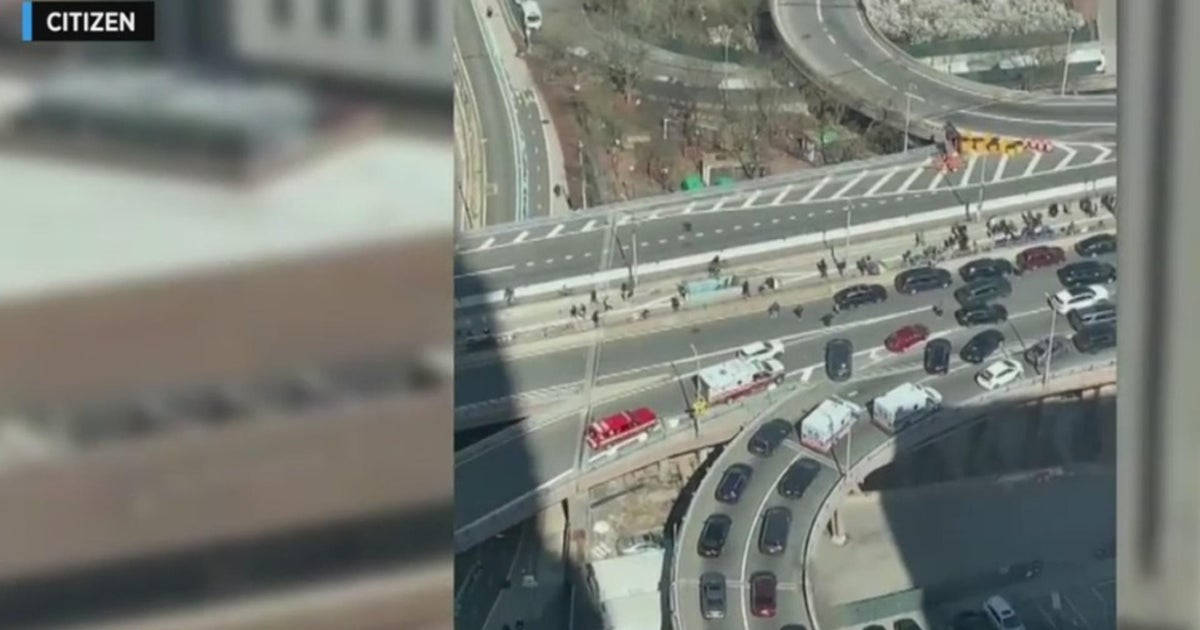
Mexican Navy Ship's Brooklyn Bridge Mishap: Unraveling the Mystery
Hey friends! Ever have one of those days where you justknowthings are going to go sideways? You spill coffee on your favorite shirt, you miss your train, and maybe, just maybe, a Mexican Navy ship accidentally bumps into the Brooklyn Bridge? Okay, probably not the last one. But the Brooklyn Bridge,thaticonic symbol of New York City, the one gracing a million postcards and movie scenes, getting a little love tap from a naval vessel? It sounds like something straight out of a quirky comedy!
_An in-depth look at the ongoing investigation into the Mexican Navy ship's allision with the Brooklyn Bridge. We explore the potential causes, damages, and future implications._
And speaking of quirky comedies, remember that time your GPS led you directly into a lake? Or when you tried to bake a cake and it resembled more of a geological formation than a delicious dessert? Sometimes, things just don't go according to plan. And while our little kitchen disasters are usually contained to our own homes (and maybe a few bewildered family members), when a massive ship is involved, things get alittlemore serious.
Think of the Brooklyn Bridge for a second. It's not just a bridge; it's a historical landmark, a vital transportation artery for millions of New Yorkers, and a global icon. It's been standing tall for over a century, weathering storms, traffic jams, and countless selfies. It's a tough old bird, but even the toughest birds can't withstand a collision without raising an eyebrow (or, in this case, sparking a major investigation).
Now, imagine the collective gasp that rippled through New York City (and the internet) when news broke that a Mexican Navy ship had made contact with this beloved landmark. Was it a rogue wave? A navigational error? A case of mistaken identity ("Wait,that'sthe Brooklyn Bridge?")? The internet went wild with theories, and everyone wanted to know: what exactly happened, and how much spackle would it take to fix it?
This isn't just about a fender-bender on the high seas. This is about international relations, maritime law, structural integrity, and, let's be honest, a healthy dose of morbid curiosity. This is about figuring out how a sophisticated piece of naval technology managed to get a little too close for comfort to one of the world's most recognizable bridges. And more importantly, it's about making sure it doesn't happen again.
So, buckle up, friends. We're diving deep into the murky waters of this incident, exploring the potential causes, examining the extent of the damage, and uncovering the latest developments in the ongoing investigation. We'll navigate the complexities of maritime regulations, decipher the jargon of nautical experts, and try to answer the burning question on everyone's mind: How did this happen, and what does the future hold for the Brooklyn Bridge? Ready to set sail on this investigative journey? Let's get started! What secrets lie beneath the surface of this unexpected encounter? Read on to find out!
The Initial Shock: Mexican Navy Ship Collides
The news broke like a rogue wave itself, catching everyone off guard. A Mexican Navy ship, identified as ARMLibertador(P-101), a Durango-class patrol vessel, was reported to have made contact with the Brooklyn Bridge. Initial reports were sketchy, details were scarce, and the rumor mill was churning faster than a seagull spotting a dropped french fry.
The immediate reaction was a mix of disbelief and concern. How could something like this evenhappen? The Brooklyn Bridge is hardly an inconspicuous structure. It's not like trying to navigate a tiny sailboat through a crowded marina. This is a monumental landmark, clearly visible for miles. The mental image of a massive naval vessel gently nudging the bridge was almost comical, if not for the potential seriousness of the situation.
First and foremost, there was concern about the bridge's structural integrity. Was it damaged? Were there any immediate safety concerns? The bridge carries thousands of vehicles and pedestrians daily, and any compromise to its structure could have disastrous consequences.
Then came the questions. Why was the ship so close to the bridge in the first place? Was it a navigational error? Was there a mechanical malfunction? Was someone simply not paying attention? The speculation ran rampant, fueled by social media and the 24-hour news cycle.
The incident also raised questions about maritime traffic control in the area. Are there adequate safeguards in place to prevent vessels from straying too close to sensitive infrastructure? Are the navigational protocols clear and effective? It highlighted the importance of safe navigation and the potential consequences of even minor errors in judgment.
The initial shock quickly gave way to a flurry of activity. Investigations were launched, engineers were dispatched, and officials from both the United States and Mexico began to coordinate their efforts to determine the cause of the incident and assess the extent of the damage. The Brooklyn Bridge, a symbol of resilience and strength, had been tested, and the world was watching to see how it would respond.
Digging Deeper:Unveiling the Incident Details
Following the initial reports, the focus shifted to gathering concrete details about the incident. What exactly happened? When did it happen? And most importantly,howdid it happen? The investigation aimed to piece together the timeline of events and understand the circumstances leading up to the collision.
The Timeline of Events
While the exact timing varied across initial reports, it was generally established that the incident occurred sometime during the afternoon. Witnesses reported seeing the ARMLibertadormaneuvering in the vicinity of the Brooklyn Bridge before making contact with one of the bridge's support structures. The specifics of the ship's movements and the angle of impact became crucial points of investigation.
The Ship's Trajectory and Speed
Investigators analyzed the ship's course and speed leading up to the collision. Was it traveling at an appropriate speed for the waterway? Did it deviate from its intended course? Any deviations from established navigational routes would raise red flags and suggest potential errors in navigation or mechanical issues. Factors such as currents, tides, and visibility were also considered as potential contributing elements.
The Point of Contact
Determining the precise point of contact was crucial for assessing the extent of the damage. Was it a glancing blow, or a more direct impact? Which part of the ship made contact with the bridge? The answers to these questions would help engineers understand the forces involved and the potential impact on the bridge's structural integrity.
Damage Assessment
A team of engineers immediately began a thorough inspection of the Brooklyn Bridge, focusing on the area where the ship had made contact. They looked for signs of structural damage, such as cracks, deformations, or displacements. Sophisticated techniques, including sonar and visual inspection, were used to assess the extent of any underwater damage. The goal was to determine whether the collision had compromised the bridge's ability to safely carry traffic.
Initial Findings
Early reports suggested that the damage to the bridge appeared to be minimal. However, authorities stressed the importance of a thorough investigation to ensure that there were no hidden or long-term consequences. The initial assessment focused on the immediate structural integrity, but further analysis was needed to assess the bridge's long-term health.
Potential Causes: Navigational Errors and Mechanical Issues
With the incident details slowly coming into focus, the investigation turned to identifying the potential causes of the collision. Was it a simple human error, or were there more complex factors at play? Several possibilities were considered, ranging from navigational mistakes to mechanical malfunctions.
Navigational Error: Human Factors
Human error is often a contributing factor in maritime accidents. Even with advanced technology, ships still rely on human judgment and decision-making. Potential navigational errors could include misreading charts, miscalculating distances, or failing to properly account for currents and tides. Fatigue, distractions, or inadequate training could also contribute to human error.
Mechanical Failure: Equipment Malfunctions
Mechanical failures can also lead to collisions. Equipment malfunctions, such as engine trouble, steering system failures, or problems with navigational equipment, could impair a ship's ability to maneuver safely. Regular maintenance and inspections are crucial for preventing such failures, but even with the best preventative measures, unexpected malfunctions can still occur.
Communication Breakdown: Language Barriers and Misunderstandings
Effective communication is essential for safe navigation. Language barriers or misunderstandings between the ship's crew and local maritime authorities could lead to confusion and misinterpretations of instructions. Clear and concise communication protocols are vital for preventing such breakdowns.
Weather Conditions: Visibility and Environmental Factors
Weather conditions can significantly impact visibility and navigation. Fog, heavy rain, or strong winds can make it difficult to see clearly and can affect a ship's maneuverability. While weather conditions were reported to be fair at the time of the incident, investigators would have considered their potential contributing role.
Regulatory Compliance: Adherence to Protocols
Adherence to maritime regulations and safety protocols is paramount for preventing accidents. Investigators examined whether the ARMLibertadorwas operating in compliance with all applicable rules and regulations. Any violations of these protocols could indicate negligence or a lack of proper training.
Preliminary Conclusions
While the investigation was ongoing, the initial focus seemed to lean toward a combination of potential navigational errors and possibly a misjudgment of the ship's proximity to the bridge. However, authorities were careful to avoid making definitive conclusions until all the evidence had been thoroughly examined.
Assessing the Damage: Short-Term and Long-Term Concerns
One of the primary concerns following the collision was the extent of the damage to the Brooklyn Bridge. A thorough assessment was needed to determine whether the bridge's structural integrity had been compromised and whether any repairs were necessary.
Immediate Structural Integrity: Short-Term Assessment
Engineers conducted a visual inspection of the bridge immediately after the incident, looking for any obvious signs of damage, such as cracks, dents, or deformations. They also used sonar technology to assess the condition of the bridge's underwater supports. The initial assessment indicated that the damage appeared to be relatively minor, but a more detailed analysis was required to rule out any hidden damage.
Long-Term Structural Health: In-Depth Analysis
A comprehensive analysis of the bridge's structural health was conducted to assess the long-term impact of the collision. This involved using advanced techniques, such as stress testing and computer modeling, to simulate the effects of the impact on the bridge's overall stability. The goal was to determine whether the collision had weakened any critical structural components and whether any long-term repairs would be needed.
Impact on Traffic Flow: Disruptions and Delays
Even minor damage to the Brooklyn Bridge could have significant consequences for traffic flow. The bridge is a vital transportation artery, carrying thousands of vehicles and pedestrians each day. Any disruptions to traffic could lead to delays and congestion throughout the city. Authorities carefully monitored traffic patterns and implemented temporary lane closures as needed to ensure the safety of motorists and pedestrians.
Cost of Repairs: Financial Implications
The cost of repairing any damage to the Brooklyn Bridge could be substantial. This would include the cost of materials, labor, and engineering services. The investigation would also consider whether the cost of repairs should be borne by the Mexican government, the ship's insurance company, or some other entity.
Preventative Measures: Protecting the Bridge
The incident highlighted the need for enhanced preventative measures to protect the Brooklyn Bridge from future collisions. This could include improved navigational aids, stricter traffic control protocols, and enhanced training for maritime personnel. The goal is to minimize the risk of future incidents and ensure the long-term safety and integrity of this iconic landmark.
The Investigation Unfolds: Progress and Findings
As the investigation progressed, more information came to light, shedding further light on the events leading up to the collision and the potential causes.
Collaborative Efforts: US and Mexican Authorities
The investigation involved close collaboration between U.S. and Mexican authorities. Representatives from both countries worked together to gather evidence, interview witnesses, and analyze data. This cooperative approach underscored the importance of international cooperation in addressing maritime safety issues.
Data Analysis: Tracking Information
Investigators analyzed data from various sources, including the ship's voyage data recorder (VDR), radar logs, and communication records. The VDR, often referred to as the "black box" of a ship, contains a wealth of information about the ship's movements, speed, and communications leading up to the collision. Radar logs provided a record of the ship's position and movements in relation to other vessels and landmarks. Communication records revealed any communications between the ship's crew and maritime authorities.
Witness Interviews: Gathering Perspectives
Witness interviews provided valuable insights into the events leading up to the collision. Investigators spoke with members of the ship's crew, local maritime officials, and individuals who were in the vicinity of the bridge at the time of the incident. These interviews helped to corroborate the data from other sources and provide a more complete picture of what happened.
Expert Opinions: Maritime and Structural Engineers
Experts in maritime navigation and structural engineering were consulted to provide their opinions on the cause of the collision and the extent of the damage to the bridge. Their expertise helped investigators to interpret the data and draw informed conclusions.
Preliminary Findings: Shifting Theories
As the investigation unfolded, some initial theories were strengthened, while others were downplayed. While navigational error continued to be a leading contender, the possibility of contributing factors, such as communication breakdowns or mechanical issues, remained under consideration.
Ongoing Investigation: Unanswered Questions
The investigation remained ongoing, with several unanswered questions. Investigators continued to analyze data, conduct interviews, and consult with experts to gain a deeper understanding of the incident and determine the best course of action to prevent future collisions.
Looking Ahead: Prevention and Future Safeguards
The collision between the Mexican Navy ship and the Brooklyn Bridge served as a stark reminder of the importance of maritime safety and the potential consequences of even seemingly minor incidents. As the investigation neared its conclusion, attention turned to identifying measures that could be taken to prevent similar incidents from happening in the future.
Enhanced Navigational Aids: Technology and Infrastructure
Investing in enhanced navigational aids could help to improve maritime safety in the area. This could include installing more sophisticated radar systems, upgrading electronic charting systems, and providing real-time weather and traffic information to vessels.
Stricter Traffic Control Protocols: Rules and Regulations
Implementing stricter traffic control protocols could also help to reduce the risk of collisions. This could involve establishing designated shipping lanes, limiting vessel speeds in certain areas, and requiring vessels to report their positions regularly.
Improved Communication Systems: Reducing Misunderstandings
Ensuring clear and effective communication between vessels and maritime authorities is essential for preventing accidents. This could involve providing language training to maritime personnel and establishing standardized communication protocols.
Enhanced Training Programs: Skill Development
Providing enhanced training programs for maritime personnel could help to improve their skills and knowledge. This could include training in navigation, ship handling, and emergency response procedures.
Regular Inspections and Maintenance: Preventing Mechanical Failures
Regular inspections and maintenance of vessels are crucial for preventing mechanical failures. This could involve implementing a rigorous inspection schedule and ensuring that all vessels are properly maintained.
International Cooperation: Collaboration and Coordination
Strengthening international cooperation is essential for addressing maritime safety issues. This could involve sharing information, coordinating enforcement efforts, and developing common safety standards.
Prioritizing Safety: A Collective Responsibility
Ultimately, preventing future collisions requires a collective commitment to safety. This means that all stakeholders, including governments, maritime authorities, and vessel operators, must prioritize safety and take proactive steps to reduce the risk of accidents.
Resolution and Conclusion: Moving Forward After the Incident
So, there you have it, friends! The story of the Mexican Navy ship and the Brooklyn Bridge – a real-life "oops" moment with international implications. While the investigation continues, the key takeaways are clear: maritime safety is paramount, communication is crucial, and even the most iconic landmarks are vulnerable.
Remember that time you accidentally sent an email to your entire company instead of just your boss? Embarrassing, right? Now, imagine that email was a multi-million dollar ship gently caressing a national treasure. Yeah, that's abitmore pressure.
The core of this whole saga revolves around the investigation's findings, which pinpointed a combination of navigational errors and potential communication missteps. It’s a complex situation, but here's the important part: lessons are being learned. New protocols are being considered, technologies are being upgraded, and everyone's double-checking their charts (and maybe their coffee levels) before setting sail.
Now, we encourage you, friends, to do something proactive. Educate yourself about maritime safety and traffic rules if you live in a coastal area. Support initiatives aimed at preserving historical landmarks in your community. These are the kinds of proactive measures that can prevent future incidents.
This whole situation highlights how interconnected the world is. From the bustling waterways of New York City to the naval fleets of Mexico, every action has a ripple effect. And while we can't prevent every fender-bender (or bridge-bender), we can learn from our mistakes and strive to do better.
Remember that even iconic structures like the Brooklyn Bridge can be vulnerable, but through vigilance, proactive measure, and cooperation, we can ensure that future generations continue to admire and appreciate such landmarks. Also, in line with the lessons learned from this investigation, we can contribute to safer waterways and protect critical infrastructure.
This saga inspires us to value infrastructure, promote safety, and encourages collaborative efforts that ensure a better future. As the dust settles, the focus shifts towards safeguarding our landmarks and waterways. As you reflect on this situation, ask yourself how you can contribute to safer and more responsible practices in your community.

Post a Comment for "Mexican Navy Ship Brooklyn Bridge Crash: Investigation Update"
Post a Comment