How to Optimize Website Content for SEO
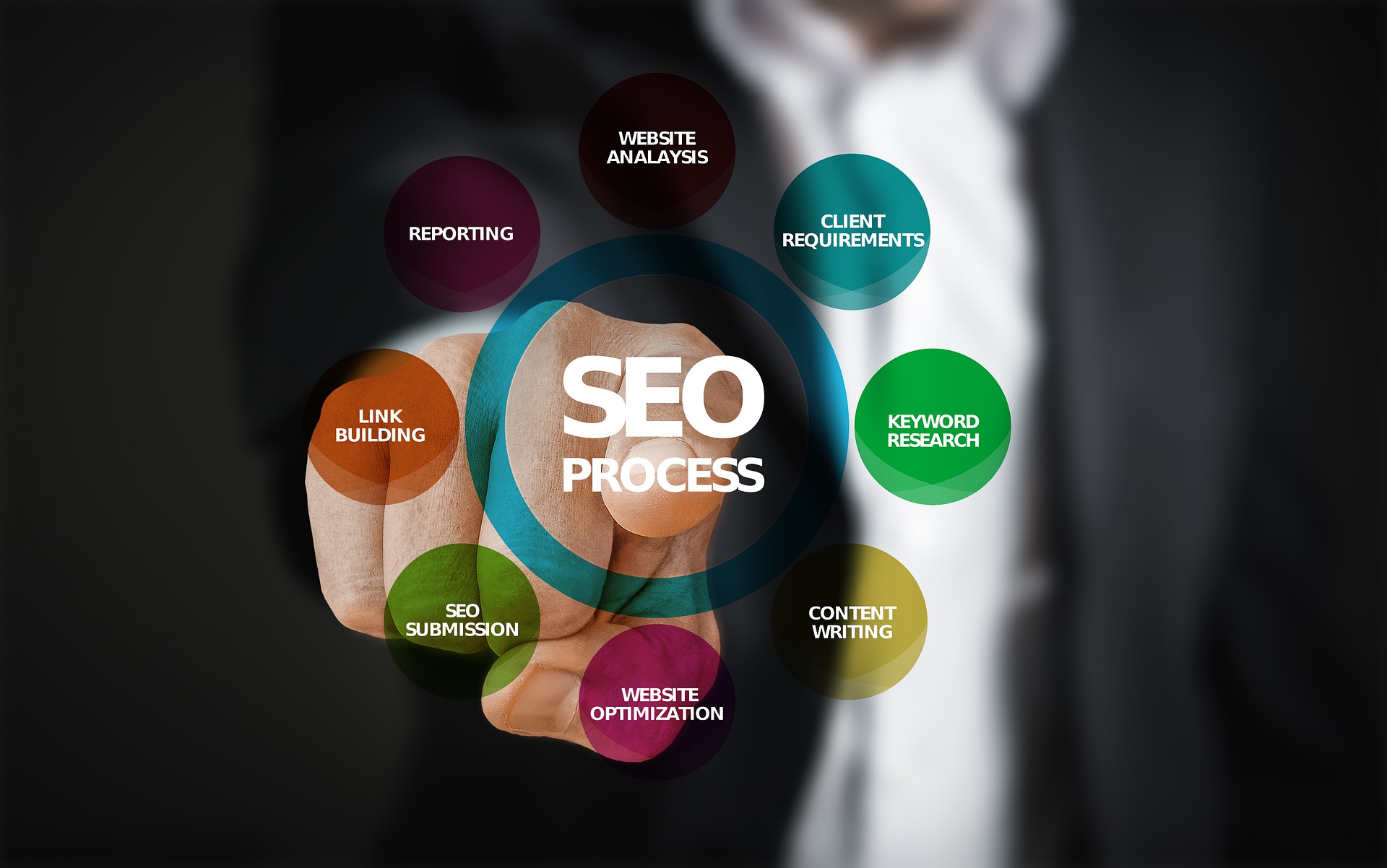
Supercharge Your Site: The Ultimate Guide to Optimizing Website Content for SEO
Alright, friends, ever feel like your website is shouting into a void? You've poured your heart and soul into creating amazing content, but it's just...notgetting seen. That's because in today's digital world, simply having good content isn't enough. You've got to make sure the search enginesunderstandyour content and see its value. This is where search engine optimization, or SEO, comes into play. It's the secret sauce, the special ingredient that helps your website climb the ranks in search engine results and finally get the attention it deserves.
Think of it this way:Imagine you're running a lemonade stand. You make thebestlemonade in the neighborhood – perfectly tart, perfectly sweet. But if you set up shop in your garage, no one will ever know! SEO is like setting up your lemonade stand on a busy street corner, putting up a bright, eye-catching sign, and even handing out samples to passersby. It's all about making your lemonade stand (your website) visible and attractive to potential customers (search engines and users).
So, what exactly does it mean tooptimizeyour website content for SEO? It means crafting content that not only resonates with your target audience but also ticks all the boxes for search engines like Google. It's about understanding what your audience is searching for, using the right keywords, structuring your content effectively, and making sure your website is technically sound.
The problem is, SEO can feel overwhelming. There are countless articles, guides, and experts all promising to unlock the secrets to ranking number one. But honestly, a lot of it is just common sense and a willingness to put in the work. It's like learning a new language – it takes time, effort, and a little bit of practice.
But don't worry, you don't have to become an SEO guru overnight! In this guide, we're going to break down the process of optimizing your website content for SEO into manageable steps. We'll cover everything from keyword research and on-page optimization to content creation and technical SEO. We'll keep things simple, practical, and – dare I say – even a little bit fun. Because let's face it, SEO doesn't have to be a dry and boring topic!
Think about those cat videos that inexplicably go viral. What's the secret? A dash of luck, sure, but also a clever understanding of what people are looking for. We're going to help you inject that same kind of magic into your own website content.
Ready to stop shouting into the void and start getting the attention your website deserves? Keep reading – we're about to unlock the secrets to supercharging your site with SEO! What if you couldactuallyunderstand the algorithm and make it workforyou, instead of feeling like you're constantly playing catch-up? That's the goal, friends. Let’s dive in!
Understanding the Fundamentals of SEO Content Optimization
What is SEO and Why Does it Matter?
SEO, or Search Engine Optimization, is essentially the practice of enhancing your website to increase its visibility when people search for products or services related to your business in search engines like Google, Bing, and Duck Duck Go. In simpler terms, it's about making your website more appealing to search engines so they'll rank it higher in search results. Why does this matter? Well, think about it: when you're looking for something online, how often do you click past the first page of results? Probably not very often. Most people trust that the top results are the most relevant and authoritative, and that's where you want your website to be. Higher rankings translate to more organic traffic, which can lead to increased brand awareness, more leads, and ultimately, more sales. Ignoring SEO is like opening a store in a hidden alleyway and hoping people will magically find it – you need to actively guide them to your door. _It’s the difference between thriving and just surviving online._
The Core Components of SEO Content
Okay, so we know SEO is important, but what exactly does itentail? There are several key components, but for the purpose of this section, we'll focus on the elements that directly impact content. First and foremost, iskeyword research. This is the process of identifying the words and phrases that your target audience is using when searching for information related to your business. Understanding these keywords is crucial because you need to incorporate them strategically into your website content to signal to search engines what your site is about. Next, there’s on-page optimization, which involves optimizing various elements of your web pages, such as title tags, meta descriptions, headings, and body content, to improve their relevance to search queries. Another important aspect iscontent quality. Search engines prioritize websites that provide valuable, informative, and engaging content to users. Therefore, you need to create content that not only incorporates your target keywords but also satisfies the needs of your audience. _Essentially, you need to think like a search engine and a user at the same time._
Why High-Quality Content is King (and Queen)
You've probably heard the phrase "content is king," and in the world of SEO, it's absolutely true. But let's be clear:not justanycontent will do. Search engines are becoming increasingly sophisticated in their ability to evaluate the quality of content. They look for signals like readability, originality, depth, and user engagement. _Thin, poorly written content that's simply stuffed with keywords will no longer cut it._ In fact, it can actually hurt your rankings. Instead, you need to focus on creating content that is informative, well-researched, and tailored to the needs of your audience. Think about answering their questions, solving their problems, and providing them with valuable insights. High-quality content not only attracts search engines but also keeps users engaged on your website, which can lead to increased conversions and brand loyalty. Remember, _your goal is to create content that people actuallywantto read and share._
Mastering Keyword Research: Finding the Right Words
Brainstorming and Seed Keywords
Let's talk keywords. Think of them as the breadcrumbs that lead search engines (and your audience) to your website. The first step isbrainstorming. Grab a pen and paper (or open a document on your computer) and start jotting down any words or phrases that you think are relevant to your business and that your target audience might use when searching for information. These are yourseed keywords. For example, if you sell handmade jewelry, your seed keywords might include "handmade jewelry," "artisan jewelry," "unique necklaces," "custom earrings," and so on. Don't overthink it at this stage – just get your ideas down on paper. _The goal is to create a comprehensive list of potential keywords to work with._ Think about the different types of products or services you offer, the problems you solve for your customers, and the language they use to describe their needs. _Remember, you're not just selling a product or service; you're selling a solution._
Using Keyword Research Tools
Once you have your list of seed keywords, it's time to delve deeper using keyword research tools. There are many tools available, both free and paid, that can help you identify related keywords, analyze search volume, and assess keyword difficulty. Some popular options include Google Keyword Planner, Ahrefs, SEMrush, and Moz Keyword Explorer. These tools provide valuable data that can help you refine your keyword strategy and identify opportunities you might have otherwise missed. For example, you might discover that a particular keyword has a high search volume but low competition, making it a great target for your content. _Using these tools strategically allows you to make data-driven decisions about your keyword selection._ Don't be afraid to experiment with different tools and find the ones that work best for you. _Each tool has its own strengths and weaknesses, so it's worth exploring your options._
Analyzing Search Volume and Keyword Difficulty
When choosing your target keywords, it's important to consider both search volume and keyword difficulty.Search volumerefers to the number of times a particular keyword is searched for in a given period, usually monthly. Higher search volume generally means more potential traffic, but it also means more competition.Keyword difficultyis a metric that estimates how difficult it would be to rank for a particular keyword, based on factors like the authority of the websites already ranking for that keyword. Ideally, you want to target keywords that have a relatively high search volume but a relatively low keyword difficulty. These are the "low-hanging fruit" that can help you quickly gain traction in search results. However, don't completely ignore high-competition keywords. _They might be worth targeting if you have the resources and expertise to create high-quality, authoritative content that can compete with the top-ranking websites._ Remember, _SEO is a marathon, not a sprint. It takes time and effort to build a strong online presence and rank for competitive keywords._
On-Page Optimization: Making Your Content Search-Engine Friendly
Optimizing Title Tags and Meta Descriptions
Your title tag and meta description are two of the most important on-page SEO elements. Thetitle tagis the headline that appears in search engine results pages (SERPs) and is a crucial factor in determining your website's ranking. Your title tag should be concise, descriptive, and include your target keyword. Keep it under 60 characters to ensure it doesn't get truncated in search results. Themeta descriptionis the brief summary that appears below the title tag in SERPs. It provides a more detailed description of your page's content and is your opportunity to entice users to click through to your website. Your meta description should be compelling, informative, and include a call to action. Keep it under 160 characters. _Think of your title tag and meta description as your website's advertisement in search results. Make them count!_ _A well-crafted title tag and meta description can significantly improve your click-through rate (CTR), which is a key ranking factor._
Using Headings and Subheadings Effectively
Headings and subheadings not only improve the readability of your content but also provide valuable context to search engines. Useheadings (H1, H2, H3, etc.)to structure your content logically and break it up into manageable sections. Your H1 tag should be the main heading of your page and should include your target keyword. Use H2 and H3 tags to create subheadings that further elaborate on the topics covered in your H1 tag. _Think of headings as signposts that guide both users and search engines through your content._ _Using headings effectively can improve the user experience, increase engagement, and boost your search engine rankings._ _Don't just use headings for aesthetic purposes; use them strategically to communicate the key topics and subtopics of your page._
Optimizing Images with Alt Text
Images can enhance the visual appeal of your content and make it more engaging. However, search engines can't "see" images, so you need to provide them withalt textto describe what the images are about. Alt text is the text that appears in place of an image if the image fails to load. It also provides accessibility for visually impaired users who rely on screen readers. When writing alt text, be descriptive and concise. Include your target keyword if it's relevant to the image. _Alt text is not just for SEO; it's also important for accessibility._ _Optimizing your images with alt text can improve your website's SEO, accessibility, and user experience._ _Think of alt text as a way to make your images more inclusive and accessible to everyone._
Crafting Engaging and Valuable Content: Writing for Humans (and Search Engines)
Understanding Your Audience and Their Intent
Before you start writing, it's crucial to understand yourtarget audienceand theirsearch intent. Who are you trying to reach with your content? What are their needs, interests, and pain points? What questions are they asking? Understanding your audience and their intent will help you create content that is relevant, engaging, and valuable to them. _Think of your audience as your ideal customers. What kind of content would they find helpful and informative?_ _Conducting audience research can help you gain valuable insights into their demographics, psychographics, and online behavior._ _The more you know about your audience, the better equipped you'll be to create content that resonates with them._
Writing Clear, Concise, and Readable Content
No one wants to read a wall of text. That’s a simple truth. Write in a clear, concise, and readable style that is easy for your audience to understand. Use short sentences, simple language, and plenty of white space. Break up your content with headings, subheadings, bullet points, and images. _Readability is key to keeping your audience engaged and preventing them from clicking away._ _Use tools like the Flesch Reading Ease test to assess the readability of your content._ _Aim for a readability score that is appropriate for your target audience._
Incorporating Keywords Naturally
While it's important to incorporate your target keywords into your content, avoid keyword stuffing. Keyword stuffing is the practice of excessively using keywords in your content in an attempt to manipulate search engine rankings. It's an outdated and ineffective SEO tactic that can actually hurt your rankings. Instead, focus on incorporating keywordsnaturallyinto your content in a way that sounds organic and doesn't disrupt the flow of your writing. _Think of keywords as ingredients in a recipe. Use them sparingly and in the right proportions to create a delicious dish._ _Focus on creating high-quality, informative content that is valuable to your audience. If you do that, the keywords will fall into place naturally._ _Remember, you're writing for humans, not just search engines._
Technical SEO for Content: Ensuring a Smooth User Experience
Website Speed and Mobile Friendliness
In today's mobile-first world,website speedandmobile-friendlinessare crucial ranking factors. Google prioritizes websites that load quickly and provide a seamless user experience on all devices. Slow-loading websites frustrate users and can lead to high bounce rates, which can negatively impact your SEO. _Optimizing your website for speed and mobile-friendliness is not just good for SEO; it's also good for user experience._ _Use tools like Google Page Speed Insights to identify areas where you can improve your website's speed and mobile-friendliness._ _Consider using a content delivery network (CDN) to distribute your website's content across multiple servers, which can improve loading times for users around the world._
Internal and External Linking Strategies
Internal linkingandexternal linkingare important for both SEO and user experience. Internal linking involves linking to other pages on your own website. This helps search engines understand the structure of your website and discover new content. It also helps users navigate your website and find relevant information. External linking involves linking to other websites. This can help you build relationships with other websites and establish your website as a trusted source of information. _Linking to reputable and authoritative websites can improve your website's credibility and SEO._ _Use internal and external links strategically to provide value to your users and improve your website's overall SEO._
Structured Data Markup (Schema)
Structured data markup, also known as schema, is a code that you can add to your website to provide search engines with more information about your content. Schema helps search engines understand the context of your content and display it in a more informative way in search results. For example, you can use schema to tell search engines that a particular page is a recipe, a product, or an event. _Using schema can improve your website's visibility in search results and increase your click-through rate._ _There are many different types of schema markup available, so choose the ones that are most relevant to your content._
Measuring and Analyzing Your SEO Performance: Tracking Your Progress
Using Google Analytics and Search Console
Google Analyticsand Google Search Consoleare two essential tools for measuring and analyzing your SEO performance. Google Analytics provides you with detailed data about your website traffic, including the number of visitors, the sources of traffic, the pages that are most popular, and the behavior of users on your website. Google Search Console provides you with data about your website's performance in Google search results, including the keywords that your website is ranking for, the number of impressions and clicks that your website is getting, and any errors that Google is finding on your website. _These tools provide invaluable insights into your SEO performance and can help you identify areas where you can improve._
Tracking Keyword Rankings and Organic Traffic
One of the most important metrics to track is yourkeyword rankings. This tells you how well your website is ranking for your target keywords. You can use tools like SEMrush or Ahrefs to track your keyword rankings. Another important metric is yourorganic traffic. This is the traffic that comes to your website from search engine results. You can track your organic traffic in Google Analytics. _Monitoring your keyword rankings and organic traffic will help you assess the effectiveness of your SEO efforts._ _If you see that your rankings or traffic are declining, it's a sign that you need to adjust your SEO strategy._
Analyzing User Engagement Metrics
In addition to tracking keyword rankings and organic traffic, it's also important to analyzeuser engagement metrics. These metrics tell you how users are interacting with your website. Some key user engagement metrics include bounce rate, time on page, and pages per session.Bounce rateis the percentage of visitors who leave your website after viewing only one page.Time on pageis the average amount of time that visitors spend on a particular page.Pages per sessionis the average number of pages that visitors view during a single session on your website. _Analyzing these metrics will help you understand how engaged your audience is with your content and identify areas where you can improve the user experience._
Staying Up-to-Date with SEO Best Practices: Adapting to Change
The Ever-Changing Landscape of SEO
The world of SEO is constantly evolving. Search engine algorithms are updated regularly, and new ranking factors are introduced all the time. What worked yesterday might not work today. That's why it's so important tostay up-to-date with the latest SEO best practices. _SEO is not a one-time effort; it's an ongoing process of learning, adapting, and improving._
Following Industry Blogs and Resources
One of the best ways to stay informed about the latest SEO trends and best practices is tofollow industry blogs and resources. There are many great SEO blogs out there that provide valuable insights and advice. Some popular options include Moz, Search Engine Land, and Search Engine Journal.
Experimenting and Testing New Strategies
Finally, don't be afraid toexperiment and test new strategies. SEO is all about finding what works best for your website and your audience. Try different approaches, track your results, and learn from your mistakes. _The most successful SEO professionals are those who are willing to experiment, innovate, and adapt to change._
Optimizing website content for search engines is an essential strategy in the digital age that can significantly boost a site's visibility. This involves understanding the basics of SEO, doing thorough keyword research, optimizing content for search engines, producing interesting and useful material, implementing technical SEO best practices, monitoring performance, and adjusting to SEO changes. Search engines and users can both benefit from high-quality content that answers their questions. By putting these tactics into practice, anyone may improve their website's search engine ranking and create a more meaningful online presence.
Wrapping Up: Your Journey to SEO Success Starts Now
Okay, friends, we've covered a lot of ground in this guide. From understanding the fundamentals of SEO to mastering keyword research and crafting engaging content, you now have the knowledge and tools you need to optimize your website for search engines. Remember, SEO is not a sprint; it's a marathon. It takes time, effort, and dedication to see results. But with consistent effort and a willingness to learn and adapt, you can achieve your SEO goals and drive more organic traffic to your website.
The core message of this guide is simple: create high-quality, valuable content that satisfies the needs of your audience and optimize it for search engines. Focus on providing a great user experience, building a strong online presence, and staying up-to-date with the latest SEO best practices.
Now it's your turn to take action. Start by auditing your website and identifying areas where you can improve your SEO. Conduct keyword research to identify the terms that your target audience is using. Optimize your title tags, meta descriptions, headings, and images. Create high-quality, engaging content that provides value to your audience. Build internal and external links. Optimize your website for speed and mobile-friendliness. Track your results and make adjustments as needed.
So, what are you waiting for? Take the first step on your journey to SEO success today! Start optimizing your website content, building your online presence, and driving more organic traffic to your site. Remember, the internet is a crowded place, but with a little bit of effort, you can make your voice heard.
Ready to turn your website into a lead-generating machine? Go forth and conquer the search engines!
What are some specific SEO challenges you're currently facing? Let's keep the conversation going!

Post a Comment for "How to Optimize Website Content for SEO"
Post a Comment