Joe Biden’s Policy Initiatives and Future Goals
Charting the Course: Joe Biden's Policy Initiatives and Future Goals
Navigating the complexities of modern American governance can feel like trying to assemble furniture from IKEA without the instructions – frustrating and potentially disastrous! This article dives into Joe Biden's policy initiatives and future goals, aiming to provide a clear, understandable guide to what he's trying to build for the country. We'll break down the key areas, the challenges, and what it all means for you. So, grab your (metaphorical) Allen wrench and let's get started! This article explores Joe Biden’s key policy initiatives and future goals, offering a clear understanding of his administration's vision for America.
Joe Biden’s Policy Initiatives: Laying the Foundation
Alright, friends, let's talk about the nuts and bolts of what President Biden is trying to accomplish. Think of it as the blueprints for his vision of America. We're talking aboutbigstuff – the economy, healthcare, climate change, and how we interact with the rest of the world. It's a lot, but we'll take it one step at a time. He inherited a country facing multiple crises, from a lingering pandemic to deep political divisions, so the task ahead is immense.
The Economy: Building Back Better
The "Build Back Better" agenda, though scaled down, represents a core tenet of Biden's economic policy. It’s all about investing in American jobs, infrastructure, and families. Remember when that bridge in your town was closed for repairs...again? That's precisely the kind of thing Biden wants to address.
Infrastructure Investment: The Bipartisan Infrastructure Law aims to modernize roads, bridges, and public transit. It also includes investments in broadband internet access, which is increasingly vital in today's digital world. No more buffering during your favorite streaming show! The goal is to create jobs and boost economic growth by improving the country's infrastructure. Investing in Manufacturing: Bringing manufacturing jobs back to the US is another key priority. Policies are designed to encourage companies to produce goods here, rather than overseas. This not only creates jobs but also strengthens the domestic supply chain, making the US less vulnerable to disruptions. Supporting Small Businesses: Small businesses are the backbone of the American economy, and Biden's policies aim to support their growth. This includes access to capital, tax relief, and resources to help them thrive. Imagine your favorite local coffee shop getting a boost to expand and hire more baristas – that's the idea. Job Creation: A central theme of the economic agenda is to create good-paying jobs for American workers. This involves investing in industries of the future, such as clean energy, and providing training and education opportunities for workers to acquire new skills. Think of it as equipping folks with the tools they need to succeed in a rapidly changing economy.
Healthcare: Expanding Access and Lowering Costs
Healthcare is a constant concern for many Americans, and Biden aims to make it more accessible and affordable. He's focused on strengthening the Affordable Care Act (ACA), also known as Obamacare, and expanding access to coverage. This means ensuring that more people have access to quality healthcare, regardless of their income or pre-existing conditions. Nobody should have to choose between seeing a doctor and paying their rent.
Strengthening the Affordable Care Act (ACA): Biden has worked to increase subsidies for ACA marketplace plans, making them more affordable for millions of Americans. This helps more people get covered and reduces the financial burden of healthcare. Lowering Prescription Drug Costs: A major goal is to negotiate lower prescription drug prices, particularly for seniors on Medicare. The high cost of medication can be a huge burden for many, and Biden wants to bring those costs down. This includes allowing Medicare to negotiate prices with drug companies, a policy that has been debated for years. Expanding Medicaid: Expanding Medicaid eligibility to more low-income individuals is another key component. This provides a safety net for vulnerable populations and ensures they have access to healthcare services. Addressing Health Disparities: Reducing health disparities among different racial and ethnic groups is a critical focus. This involves investing in community health centers, addressing social determinants of health, and promoting culturally competent care. Healthcare should be equitable for everyone.
Climate Change: A Sustainable Future
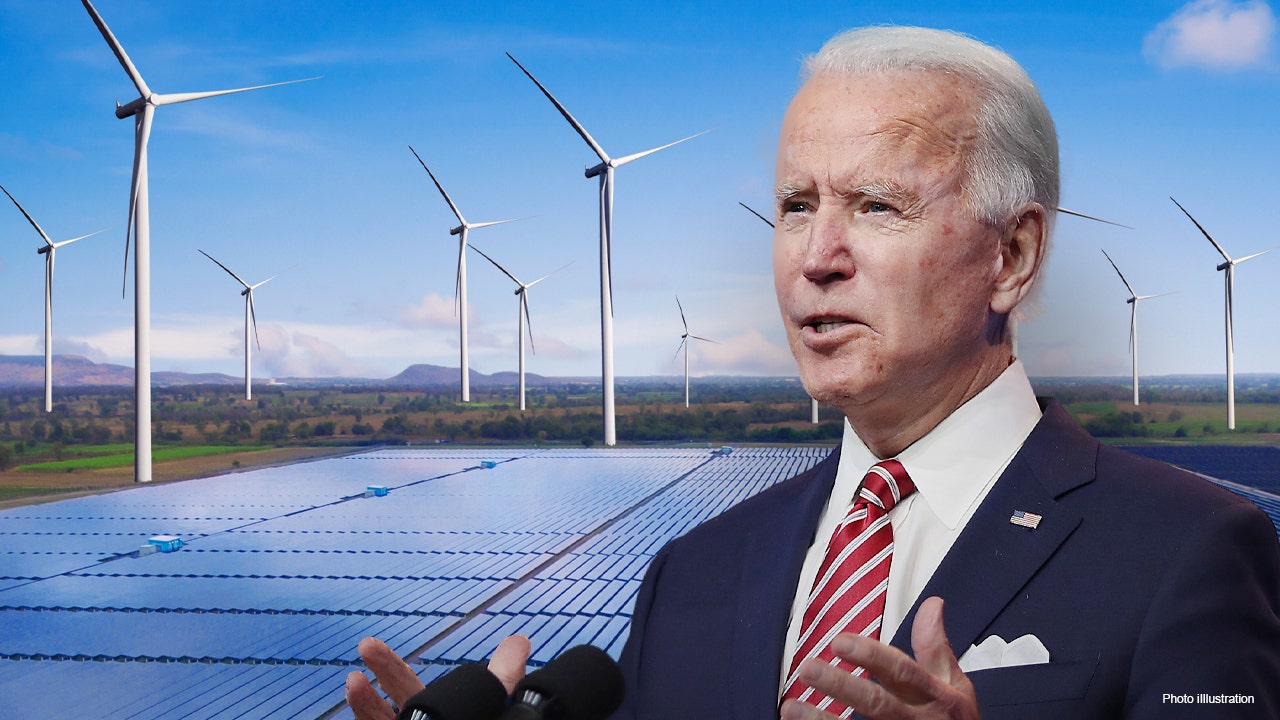
Climate change is one of the defining challenges of our time, and Biden has made it a top priority. His administration has rejoined the Paris Agreement and set ambitious goals for reducing greenhouse gas emissions. The goal is to transition to a clean energy economy, create jobs, and protect the planet for future generations.
Rejoining the Paris Agreement: Rejoining the Paris Agreement signaled the US's commitment to addressing climate change on a global scale. It sets the framework for international cooperation to reduce emissions and limit global warming. Investing in Clean Energy: Biden's policies aim to accelerate the transition to clean energy sources, such as solar, wind, and electric vehicles. This involves providing incentives for businesses and consumers to adopt clean energy technologies and investing in research and development. Imagine a future powered by renewable energy, with cleaner air and a healthier planet. Reducing Emissions: Setting ambitious targets for reducing greenhouse gas emissions is a key part of the climate agenda. This includes policies to reduce emissions from the transportation, electricity, and industrial sectors. Environmental Justice: Addressing environmental injustices is a critical component of Biden's climate policy. This involves ensuring that communities disproportionately affected by pollution and climate change receive the resources and support they need.
Foreign Policy: Rebuilding Alliances
Biden's foreign policy emphasizes rebuilding alliances and restoring American leadership on the world stage. After years of strained relationships with some allies, the administration is focused on strengthening ties and working together to address global challenges. This includes issues such as climate change, terrorism, and economic stability.
Strengthening Alliances: Rebuilding relationships with traditional allies, such as those in Europe and Asia, is a top priority. This involves engaging in diplomacy, coordinating on shared interests, and reaffirming security commitments. Addressing Global Challenges: Biden is working with allies to address global challenges such as climate change, terrorism, and pandemics. This requires international cooperation and a coordinated response. Promoting Democracy: Promoting democracy and human rights around the world is a key element of Biden's foreign policy. This involves supporting democratic institutions, speaking out against human rights abuses, and promoting free and fair elections. Strategic Competition with China: Navigating the relationship with China is a complex challenge. Biden's approach involves strategic competition, where the US seeks to compete with China economically and technologically, while also cooperating on issues of mutual interest, such as climate change.
Future Goals: The Road Ahead
So, where is President Biden headed next? While the first years have been focused on tackling immediate crises and laying the groundwork for his agenda, he has longer-term goals in mind. These include addressing long-standing social and economic inequalities, investing in education, and strengthening democracy.
Social Justice: Equity and Opportunity
Addressing social justice issues is a central theme of Biden's agenda. This involves promoting equity and opportunity for all Americans, regardless of their race, ethnicity, gender, or sexual orientation. It’s about creating a society where everyone has a fair chance to succeed.
Racial Equity: Biden has launched initiatives to address systemic racism and promote racial equity in areas such as housing, education, and criminal justice. This includes efforts to reduce disparities in sentencing, increase access to affordable housing, and invest in underserved communities. LGBTQ+ Rights: The administration is committed to protecting and advancing the rights of LGBTQ+ individuals. This includes supporting the Equality Act, which would prohibit discrimination based on sexual orientation and gender identity. Gender Equality: Promoting gender equality is another key priority. This involves addressing the gender pay gap, supporting women-owned businesses, and promoting women's leadership. Disability Rights: Ensuring the rights and inclusion of people with disabilities is an important focus. This includes enforcing the Americans with Disabilities Act (ADA) and promoting accessibility in all areas of life.
Education: Investing in the Future
Investing in education is seen as crucial for the country's future. Biden aims to expand access to high-quality education from early childhood to higher education. This includes universal preschool, affordable college tuition, and investments in job training programs.
Universal Preschool: Providing access to universal preschool is a key goal. This would give all children, regardless of their income, the opportunity to start school with a strong foundation. Affordable College Tuition: Addressing the rising cost of college tuition is a major concern. Biden has proposed policies to make college more affordable, such as increasing Pell Grants and reducing student loan debt. Job Training Programs: Investing in job training programs is seen as essential for preparing workers for the jobs of the future. This includes programs that provide training in high-demand industries, such as clean energy and technology. Supporting Teachers: Biden has emphasized the importance of supporting teachers and investing in their professional development. This includes raising teacher salaries, providing resources for classrooms, and reducing teacher burnout.
Strengthening Democracy: Protecting Voting Rights
Biden has made it clear that protecting democracy is a top priority. This includes safeguarding voting rights, combating disinformation, and promoting civic engagement. The integrity of the democratic process is seen as essential for the country's future.
Voting Rights: Protecting voting rights is a key focus. This involves opposing voter suppression efforts, expanding access to voting, and ensuring that all eligible citizens can participate in elections. Combating Disinformation: Addressing the spread of disinformation and misinformation is a growing concern. Biden has called for efforts to combat online disinformation and promote media literacy. Promoting Civic Engagement: Encouraging civic engagement and participation in democracy is seen as vital. This includes promoting voter registration, supporting civic education, and encouraging people to get involved in their communities. Protecting Democratic Institutions: Protecting democratic institutions, such as the courts and the electoral system, is essential for preserving democracy. This involves defending against attacks on these institutions and ensuring their integrity.
Challenges and Obstacles: Navigating the Political Landscape
Of course, achieving these goals is not without its challenges. President Biden faces a deeply divided political landscape, with strong opposition from Republicans on many of his key policy initiatives. Navigating this political terrain requires compromise and the ability to build consensus. It’s like trying to drive a car with one foot on the gas and the other on the brake.
Political Polarization: The high level of political polarization in the US makes it difficult to find common ground and build consensus. This can lead to gridlock and make it challenging to pass legislation. Congressional Opposition: Biden faces strong opposition from Republicans in Congress, who disagree with many of his policy proposals. This can make it difficult to get legislation passed and can lead to political battles. Economic Uncertainty: Economic uncertainty, such as inflation and supply chain disruptions, can complicate policy planning and make it harder to achieve economic goals. Global Challenges: Global challenges, such as climate change, pandemics, and geopolitical tensions, require international cooperation and can strain resources.
Conclusion: A Vision for the Future
In conclusion, Joe Biden's policy initiatives and future goals represent a comprehensive vision for America. He aims to build an economy that works for everyone, expand access to healthcare, address climate change, promote social justice, invest in education, and strengthen democracy. While the challenges are significant, the administration is committed to working towards these goals and creating a better future for all Americans. He seeks to leave a legacy of progress and prosperity.
From tackling climate change to strengthening the economy, we've explored the key pillars of Joe Biden's agenda. Now, we encourage you to stay informed, engage in civil discourse, and participate in the democratic process. Your voice matters! What areyoumost hopeful for in the future of American policy? Let's keep the conversation going! Remember that policy making is a continuously evolving process, requiring continuous engagement.

Post a Comment for "Joe Biden’s Policy Initiatives and Future Goals"
Post a Comment