Joe Biden’s Foreign Policy Challenges in 2025
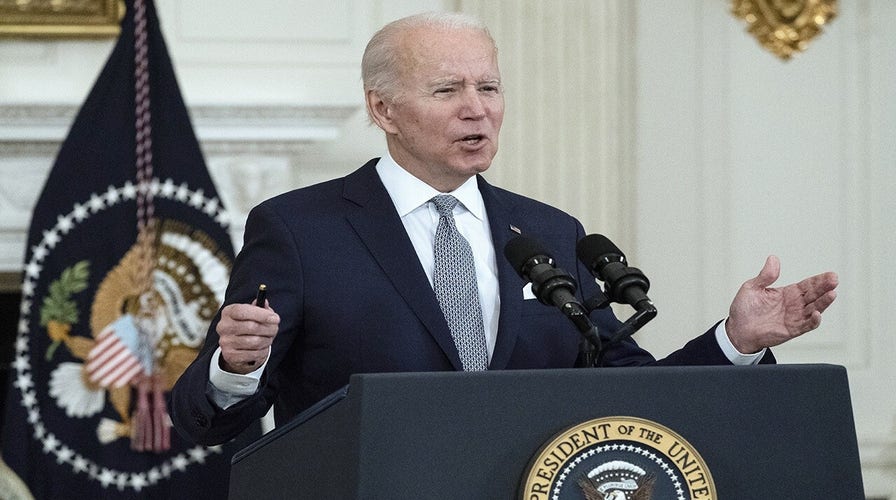
Navigating the World Stage: Joe Biden's Foreign Policy Challenges in 2025
Joe Biden’s Foreign Policy Challenges in 2025 involve navigating an increasingly complex global landscape, from great power competition to transnational threats, requiring strategic dexterity and international cooperation.
Hey there, friends! Ever feel like you’re trying to juggle flaming torches while riding a unicycle on a tightrope? That's probably how President Biden feels contemplating the world stage in 2025. We’re not just talking about the usual suspects of international relations anymore. Nope, we’re diving headfirst into a swirling vortex of geopolitical tensions, economic uncertainties, and technological disruptions.
Think about it: you're trying to plan a simple weekend getaway, and suddenly you're bombarded with flight cancellations, hotel overbookings, and your GPS decides to take you on a scenic tour of… nowhere. Now, multiply that by a thousand, add a dash of nuclear proliferation, and you've got a taste of the challenges facing U.S. foreign policy. It's not just about maintaining alliances; it's about redefining them for a world that looks drastically different than it did even five years ago.
We've got rising powers flexing their muscles, established powers trying to hold onto their influence, and a whole bunch of other countries caught in the middle, trying to figure out which way the wind is blowing. It's like trying to decide what streaming service to subscribe to – every option has its pros and cons, and the landscape keeps changing!
But fear not! We're not here to just throw our hands up and declare the world a lost cause. Instead, we're going to break down thekeychallenges facing Biden's foreign policy team in 2025. We'll explore the geopolitical hotspots, the economic pressures, and the technological curveballs that are shaping the future. We'll even throw in a few potential solutions, because who doesn't love a good brainstorming session?
So, grab your favorite beverage, settle in, and let’s explore the wild world of international relations. What are the biggest headaches facing the White House in 2025, and what can be done about them? Keep reading to find out!
Great Power Competition: A New Cold War?
China's Ascendance: Economic and Military Might
China's rise is arguably the biggest game-changer on the international stage. Its economic prowess is undeniable; it's like the kid in class who always aces the tests without even seeming to study. And its military modernization is equally impressive, transforming the People's Liberation Army into a force to be reckoned with.
This isn't just about trade deficits and tariff wars, though those are certainly part of the picture. It's about competing visions for the future of the global order. China champions a multipolar world, while the U.S. has traditionally advocated for a rules-based international system. The challenge for Biden is to manage this competition without letting it escalate into outright conflict. Think of it as a high-stakes chess match, where every move must be carefully calculated. Theeconomicimplications are huge, impacting everything from supply chains to technological innovation.
Russia's Resurgence: Confrontation and Disruption
Russia, while economically weaker than China, remains a significant player, particularly in the security realm. Its invasion of Ukraine has shattered the post-Cold War consensus and forced the West to re-evaluate its approach to European security. Russia's foreign policy often involves poking holes in the existing international order, exploiting divisions, and generally causing headaches for the U.S. and its allies.
Dealing with Russia requires a delicate balance of deterrence and diplomacy. The U.S. must deter further aggression while keeping lines of communication open to prevent miscalculation and escalation. This is like trying to reason with a grumpy bear – you need to be firm, but you also need to avoid provoking it. Theresurgenceof Russia demands constant vigilance and a cohesive strategy.
Managing Competition: Diplomacy and Deterrence
Navigating great power competition requires a multi-pronged approach. It means strengthening alliances with like-minded countries, investing in military capabilities, and engaging in robust diplomacy. The U.S. needs to work with its allies to present a united front against aggression and maintain a credible deterrent. This is like assembling a superhero team, each member bringing their unique skills to the fight. Strengthening Alliances: Reaffirming commitments to NATO, forging stronger partnerships in the Indo-Pacific, and building coalitions to address specific challenges. Investing in Military Capabilities: Modernizing the U.S. military, developing new technologies, and ensuring a credible deterrent. Engaging in Robust Diplomacy:Maintaining open channels of communication with rivals, seeking areas of cooperation, and managing disagreements peacefully.
Transnational Threats: Beyond Borders and Boundaries
Climate Change: A Global Emergency
Climate change is not just an environmental issue; it's a security issue. Rising sea levels, extreme weather events, and resource scarcity can exacerbate existing tensions and lead to conflict. It's like a slow-motion disaster movie playing out in real time. The U.S. needs to take a leadership role in addressing climate change, both by reducing its own emissions and by helping other countries transition to a sustainable future.
Biden's foreign policy must integrate climate considerations into all aspects of its work. This means promoting clean energy technologies, supporting climate adaptation efforts, and working with international partners to achieve ambitious emissions reductions targets. It’s a huge challenge but also an opportunity to driveinnovationand create new jobs.
Cybersecurity: The New Battlefield
Cyberattacks are becoming increasingly sophisticated and frequent, posing a significant threat to national security, economic stability, and critical infrastructure. It's like trying to protect your house from burglars who can break in through the internet. The U.S. needs to strengthen its cybersecurity defenses, deter malicious cyber activity, and work with international partners to establish norms of responsible behavior in cyberspace.
This requires a combination of technological innovation, policy development, and international cooperation. The U.S. needs to invest in cutting-edge cybersecurity technologies, develop clear rules of engagement for cyberspace, and work with allies to share information and coordinate responses to cyberattacks. Thecybersecuritythreat is constantly evolving, so the U.S. must remain agile and adaptable.
Global Health Security: Pandemic Preparedness
The COVID-19 pandemic exposed the fragility of global health security and the need for better preparedness for future pandemics. It's like realizing you don't have a spare tire until you get a flat in the middle of nowhere. The U.S. needs to strengthen its own public health infrastructure, work with international partners to improve pandemic surveillance and response capabilities, and ensure equitable access to vaccines and treatments.
This requires investing in research and development, strengthening global health organizations like the World Health Organization, and building partnerships to improve pandemic preparedness in developing countries. Theglobal healthchallenge requires a coordinated global response. Strengthening Public Health Infrastructure: Investing in public health research, improving disease surveillance systems, and training healthcare professionals. Improving Pandemic Surveillance and Response: Enhancing global disease surveillance networks, developing rapid response mechanisms, and stockpiling essential medical supplies. Ensuring Equitable Access to Vaccines and Treatments:Working with international organizations and pharmaceutical companies to ensure that vaccines and treatments are available to all countries, regardless of their income level.
Regional Conflicts and Instability: Hotspots Around the Globe
The Middle East: A Region in Flux
The Middle East remains a volatile region, plagued by conflicts, political instability, and humanitarian crises. From the Israeli-Palestinian conflict to the wars in Yemen and Syria, the region is a complex web of competing interests and rivalries. It's like trying to untangle a ball of yarn that's been played with by a dozen kittens. The U.S. needs to navigate this complex landscape with caution and pursue a strategy that promotes stability, reduces conflict, and addresses the root causes of instability.
This requires a combination of diplomacy, security assistance, and humanitarian aid. The U.S. needs to engage with all relevant actors, support peace processes, and provide assistance to countries struggling with conflict and instability. The Middle Eastcontinues to be a major challenge for U.S. foreign policy.
Africa: Opportunities and Challenges
Africa is a continent of vast potential, but it also faces significant challenges, including poverty, disease, conflict, and political instability. It's like a treasure chest filled with both gold and snakes. The U.S. needs to partner with African countries to promote economic growth, strengthen democratic institutions, and address security challenges.
This requires a focus on trade and investment, support for good governance, and security assistance to help African countries combat terrorism and other threats. Investing in Africais not only a moral imperative but also a strategic one.
Ukraine and Eastern Europe: A Fractured Peace
The ongoing conflict in Ukraine has fundamentally altered the security landscape in Europe. Russia's aggression has highlighted the vulnerability of Eastern European countries and the need for a strong and united response from the West. It's like a neighbor's loud party disrupting the entire neighborhood. The U.S. needs to continue to support Ukraine's sovereignty and territorial integrity, deter further Russian aggression, and strengthen the security of its allies in Eastern Europe.
This requires a combination of military assistance, economic sanctions, and diplomatic pressure. The U.S. needs to provide Ukraine with the weapons and training it needs to defend itself, impose sanctions on Russia to punish its aggression, and work with its allies to present a united front against Russian expansionism. The situation in Ukrainedemands unwavering commitment and strategic foresight. Supporting Ukraine: Providing military and economic assistance, training Ukrainian forces, and advocating for Ukraine's sovereignty and territorial integrity. Deterring Russian Aggression: Strengthening NATO's military presence in Eastern Europe, imposing sanctions on Russia, and engaging in robust diplomacy to deter further aggression. Strengthening Alliances:Reaffirming commitments to NATO, building stronger partnerships with Eastern European countries, and coordinating responses to Russian aggression.
The Future of Global Governance: Multilateralism vs. Nationalism
Reforming International Institutions: Adapting to a Changing World
International institutions like the United Nations, the World Trade Organization, and the International Monetary Fund were created in the aftermath of World War II to promote peace, prosperity, and cooperation. However, these institutions are facing increasing challenges in a world that is rapidly changing. It's like trying to use a flip phone in the age of smartphones. The U.S. needs to work with its partners to reform these institutions so that they are better equipped to address the challenges of the 21st century.
This requires a willingness to adapt, innovate, and compromise. The U.S. needs to support reforms that make international institutions more effective, accountable, and representative. Thefuture of global governancedepends on the ability of international institutions to adapt to a changing world.
Balancing National Interests and Global Cooperation: Finding Common Ground
One of the biggest challenges facing U.S. foreign policy is how to balance national interests with the need for global cooperation. In an increasingly interconnected world, many of the challenges we face – from climate change to pandemics to economic instability – require collective action. It's like trying to win a team sport by only focusing on your own individual performance. The U.S. needs to find ways to promote its national interests while also working with other countries to address global challenges.
This requires a commitment to diplomacy, compromise, and multilateralism. The U.S. needs to engage with other countries in a spirit of mutual respect and work to find common ground on issues of shared concern. Balancingnational interestswith global cooperation is essential for a sustainable and prosperous future. Promoting Diplomacy: Engaging in dialogue with other countries, seeking areas of agreement, and resolving disputes peacefully. Embracing Compromise: Being willing to make concessions to achieve common goals, recognizing that no single country can solve global challenges on its own. Supporting Multilateralism:Working through international organizations and institutions to address global challenges, recognizing that collective action is often more effective than unilateral action.
Conclusion: Charting a Course for the Future
Friends, we've covered a lot of ground, haven't we? From the rise of China and the resurgence of Russia to the looming threats of climate change and cyberattacks, it's clear that Joe Biden’s Foreign Policy Challenges in 2025 are complex and multifaceted. Successfully navigating this turbulent landscape will require a deft combination of diplomacy, deterrence, and international cooperation.
The U.S. needs to strengthen its alliances, invest in its capabilities, and engage in robust diplomacy to manage great power competition. It needs to take a leadership role in addressing transnational threats like climate change and pandemics. And it needs to work with its partners to reform international institutions and find common ground on issues of shared concern.
But here's where you come in. Informed citizens are crucial for shaping effective foreign policy. Take some time to research these issues, engage in thoughtful discussions, and let your elected officials know what you think. Your voice matters!
So, what are you waiting for? Dive deeper into these issues, share your perspectives, and let’s work together to build a more peaceful and prosperous world. What specific foreign policy challenge doyouthink should be the top priority for the Biden administration in 2025?

Post a Comment for "Joe Biden’s Foreign Policy Challenges in 2025"
Post a Comment