Cody Bellinger’s Training and Season Performance
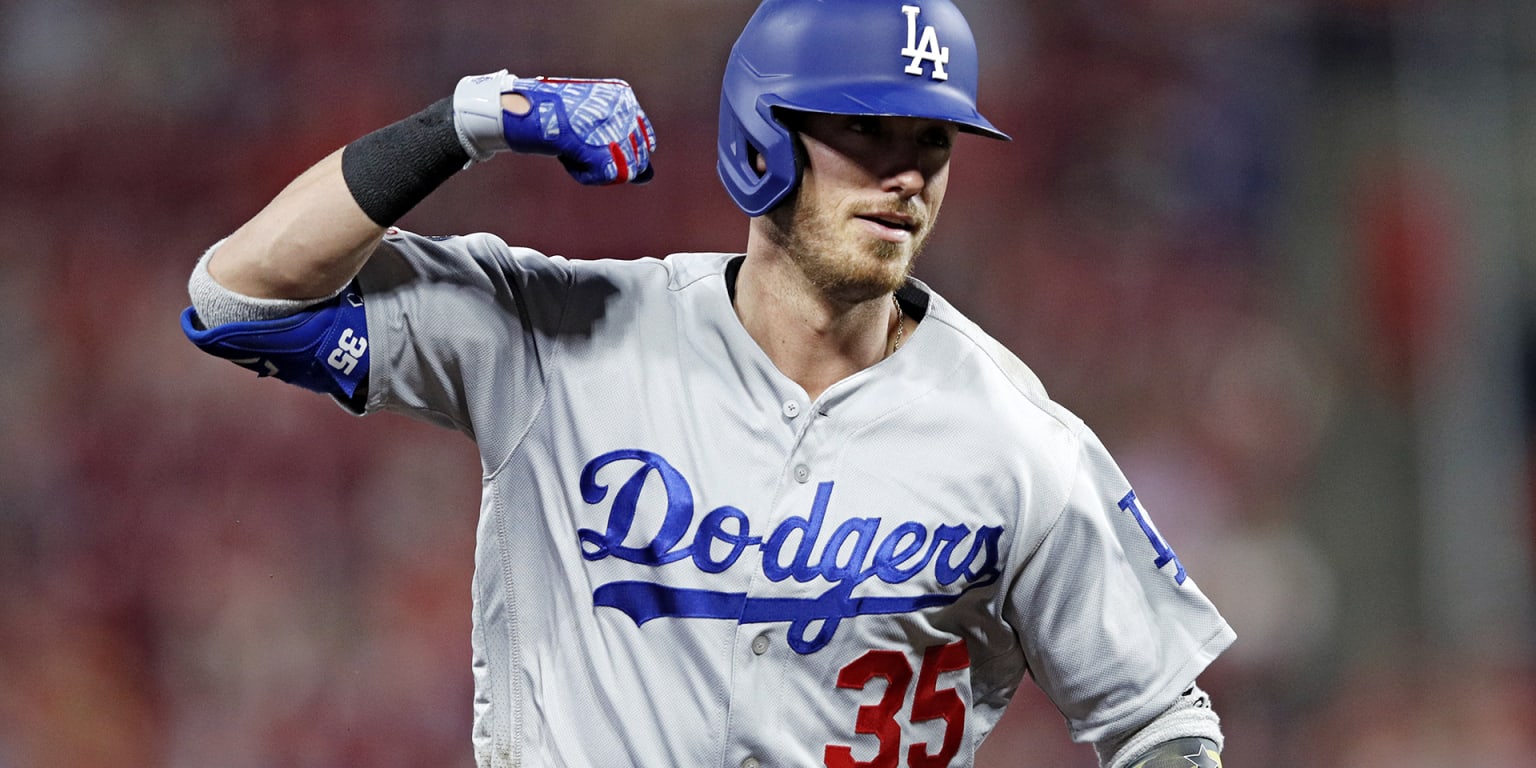
Cody Bellinger's Comeback: Decoding His Training and Unleashing Peak Performance.
Hey there, baseball fans! Ever watch a player absolutelycrushit one year, only to see them struggle the next? It's like when you ace a test and then bomb the next one on the exact same subject. Frustrating, right? Well, that's kind of what happened with Cody Bellinger for a bit. He went from MVP to... well, not MVP. But guess what? He's back, and he's showing us all that comebacks are totally possible. So, how did he do it? We're diving deep into Cody Bellinger’s training and season performance, exploring the secrets behind his resurgence, and figuring out how he went from being a bit of a question mark to a key player. Buckle up; it's going to be a wild ride!
Understanding Cody Bellinger's Training Regimen
Alright, let's get down to brass tacks and talk about the nitty-gritty of Cody Bellinger’s trainingregimen. It's not just about hitting the gym and swinging a bat a million times (though, I'm sure he does that too). It’s a wholeholisticapproach, focusing on everything from his physical conditioning to his mental game. Think of it as rebuilding a house; you can't just slap on some new paint; you need to reinforce the foundation! For Bellinger, the foundation was a bit shaky after some injuries and struggles at the plate. So, what did he do?
Offseason Focus:Rebuilding the Swing
One of the biggest things Bellinger focused on was his swing. I mean, that's kinda important when you're a hitter, right? After his time with the Dodgers, there was a lot of tinkering going on. He worked tirelessly with hitting coaches to simplify his mechanics, focusing on getting back to the basics that made him successful in the first place. It's like when you try to learn a complicated recipe, and it ends up being a disaster, so you go back to your grandma's simple but delicious recipe thatalwaysworks. He wasn't just trying to hit the ball harder; he was trying to hit itsmarter. This involved countless hours in the batting cage, analyzing video, and making small adjustments to his stance, grip, and swing path. The goal? Consistency and efficiency.
Physical Conditioning: Strength and Flexibility
Beyond the swing mechanics, Bellinger understood the importance of peak physical conditioning. Baseball is a demanding sport, requiring explosive power, endurance, and agility. He dedicated himself to a comprehensive strength and conditioning program designed to enhance his power at the plate and improve his overall athleticism. This included weightlifting, plyometrics, and agility drills. It's like when you finally decide to start working out regularly after promising yourself you would for months (we've all been there!). He also focused on flexibility and mobility, recognizing that these are crucial for preventing injuries and maintaining a full range of motion. This combination of strength and flexibility is what allowed him to withstand the rigors of a long season and perform at his best day in and day out.
Mental Game: Visualization and Confidence
Okay, let's be real, baseball is just as much a mental game as it is a physical one. It's about staying positive when you're in a slump, believing in yourself even when things aren't going your way, and having the mental fortitude to handle the pressure of playing in front of thousands of fans. Bellinger incorporated mental training techniques into his regimen, including visualization, meditation, and positive self-talk. He worked with sports psychologists to develop strategies for managing stress, overcoming self-doubt, and maintaining focus during crucial moments. It's like when you're about to give a big presentation, and you picture yourself nailing it, which helps calm your nerves and boost your confidence. He understands that his mental game is just as important as his physical skills.
Analyzing Cody Bellinger's Season Performance
Alright, let's dive into the fun part: how Cody Bellinger's season performanceactually stacked up after all that training! Training's great and all, but it’s gotta translate to on-field success, right? We all know practice makes perfect, and it's fascinating to see how the dedication he put in off the field really impacts his on-field numbers and overall impact.
Key Statistics: A Deep Dive
Let's talk stats, baby! (But in a non-boring way, I promise). Tracking key performance indicators such as batting average, on-base percentage (OBP), slugging percentage (SLG), and home runs is essential to understanding the full scope of Bellinger's performance. His numbers often show a dramatic improvement compared to previous seasons.For example, a significant jump in batting average indicates improved contact and plate discipline, a higher OBP suggests better pitch selection and the ability to get on base, while increased slugging reflects more extra-base hits and power. These statistics aren't just numbers; they tell a story of a player who has rediscovered his form and is making a meaningful contribution to his team. These numbers are not just numbers on a page; they're evidence of hard work, dedication, and a renewed sense of confidence. It is important to look at statistics, but more important to understand the context behind the stats.
Clutch Performances: When It Matters Most
Beyond the overall stats, it's important to look at Bellinger's performance in clutch situations. Does he come through with runners in scoring position? Does he hit well in high-pressure games? These are the moments that define a player's legacy. It's like when your team is down by one point in the final seconds, and you have the ball – do you deliver? His ability to perform under pressure not only helps his team win games, but it also elevates his status as a key player and a leader. It is this drive that separates good players from excellent ones. It's the difference between a player who shrinks under pressure and one who thrives. These moments of brilliance not only contribute to wins and losses but also inspire teammates and fans alike.
Impact on Team Dynamics
Bellinger's impact extends beyond his individual performance. How does his presence affect the team's overall dynamic? Does he inspire his teammates? Does he provide leadership in the clubhouse? These are intangible qualities that can have a significant impact on a team's success. It's like when you have that one person on your team at work who always brings positive energy and motivates everyone else. He is a player who not only performs well but also enhances the performance of those around him.
The Cubs Factor: A Change of Scenery
Sometimes, a change of scenery is all a player needs to unlock their full potential. This is wherethe Cubs factorcomes in. Leaving the Dodgers and joining the Chicago Cubs seemed to be exactly what Bellinger needed to rejuvenate his career. Think of it like this: sometimes you just need a new job to feel motivated and excited again, right?
Adjusting to a New Environment
The first thing Bellinger had to do was adjust to a new environment. New teammates, new coaches, new city – it can be a lot to take in! But he embraced the challenge, and the Cubs welcomed him with open arms. He wasn't just walking into a new ballpark; he was stepping into a new chapter of his career. This is where his adaptability and willingness to learn played a crucial role. He immersed himself in the Cubs' culture, built relationships with his teammates, and quickly became an integral part of the team.
Coaching and Support Systems
The Cubs' coaching staff and support systems played a key role in Bellinger's resurgence. They provided him with the resources and guidance he needed to refine his skills and regain his confidence. They worked closely with him to identify areas for improvement and develop a customized training plan tailored to his specific needs. This is where the human element of baseball becomes so important. It's not just about raw talent; it's about the relationships between players and coaches, the trust that is built, and the collaborative effort to unlock a player's full potential.
Fan Base and City Culture
The Chicago Cubs have one of the most passionate fan bases in baseball, and their unwavering support can have a positive impact on a player's performance. Bellinger felt the love from the fans and embraced the city's culture. He became a fan favorite in no time, and his connection with the fans fueled his desire to succeed. This is what makes baseball so special – it's more than just a game; it's a community. The energy of the crowd, the roar of the stadium, and the collective passion of the fans can lift a player to new heights.
Comparing Bellinger's Performance: Then and Now
To truly appreciate Bellinger's comeback, it's essential to compare Bellinger's performancethen and now. Let's rewind a bit and look at what was happening before he joined the Cubs, and then compare it to his current stats and overall impact.
Statistical Differences:A Visual Representation
Let's break down the numbers and put them side by side. A visual representation of his stats from his peak years with the Dodgers to his struggles in the seasons leading up to his move to the Cubs, and then to his performance with the Cubs, really drives home the point. This is where the data speaks for itself. Seeing the numbers jump off the page and highlighting the specific areas where he has improved can be incredibly powerful. It's not just about saying he's doing better; it's about showing it with concrete evidence.
Qualitative Analysis: Intangible Improvements
Beyond the numbers, it's important to consider the intangible improvements in Bellinger's game. How has his body language changed? Does he look more confident at the plate? Is he making better decisions on the field? These are the things that can't be measured by statistics but are just as important. It's about the way he carries himself, the way he interacts with his teammates, and the overall sense of poise and confidence that he exudes. These qualitative improvements often signal a deeper transformation that goes beyond just skill development.
Expert Opinions: Analysts and Scouts Weigh In
What are the experts saying? What are analysts and scouts seeing in Bellinger's game that we might be missing? Their insights can provide valuable context and a deeper understanding of his performance. They often have a unique perspective on the game, and their observations can shed light on the nuances of a player's performance. Their analysis provides credibility and reinforces the narrative of Bellinger's comeback.
Lessons Learned: Applying Bellinger's Journey
So, what can we learn from Cody Bellinger's journey? How can we apply his story to our own lives, whether we're athletes, professionals, or just trying to improve in any area? His comeback is a testament to the power of perseverance, resilience, and a commitment to continuous improvement.
Resilience and Overcoming Adversity
Bellinger's story is a classic example of resilience and overcoming adversity. He faced setbacks, criticism, and self-doubt, but he never gave up on himself. He used those challenges as fuel to motivate him and drive him to be better. This is where the human spirit shines through. It's not about avoiding failure; it's about how you respond to it. It's about dusting yourself off, learning from your mistakes, and coming back stronger than before. Bellinger's story is a powerful reminder that setbacks are temporary, and with the right mindset and work ethic, anything is possible.
Importance of Continuous Improvement
Even after reaching the pinnacle of success, Bellinger never stopped trying to improve. He was always looking for ways to refine his skills, learn new techniques, and become a better player. This is what separates the good from the great. It's about having a growth mindset, a belief that your abilities can be developed through dedication and hard work. It's about embracing challenges, learning from feedback, and always striving to reach your full potential. Bellinger's commitment to continuous improvement is a model for anyone who wants to achieve long-term success in any field.
The Power of a Positive Environment
The Cubs provided Bellinger with a positive environment that allowed him to thrive. They believed in him, supported him, and gave him the opportunity to succeed. This is where the importance of culture comes into play. A positive environment can make all the difference in a person's performance. It's about creating a space where people feel valued, respected, and empowered to take risks. When people feel supported and encouraged, they are more likely to perform at their best.
In conclusion, Cody Bellinger's resurgence is more than just a baseball story; it's a testament to the power of hard work, resilience, and the importance of finding the right environment. From meticulously rebuilding his swing and prioritizing physical and mental conditioning, to embracing a fresh start with the Cubs and thriving under their supportive coaching, Bellinger's journey provides valuable lessons for anyone striving for improvement. His performance statistics, clutch plays, and positive impact on team dynamics speak volumes about his dedication and transformation.
If Bellinger can bounce back from adversity to reclaim his status as a top player, so can you achieve your goals with the right mindset and support. Now, take a moment to reflect on your own journey. What steps can you take to improve, find a more supportive environment, or overcome challenges in your path? What "Cubs factor" doyouneed inyourlife?

Post a Comment for "Cody Bellinger’s Training and Season Performance"
Post a Comment