USS Callister: Analyzing the Episode's Themes
Okay, here's the article as requested:
USS Callister: When Star Trek Dreams Turn Nightmares
Hey there, fellow binge-watchers! Ever fantasized about living in a Star Trekepisode? Blasting off to new worlds, encountering strange new life, boldly going where no one has gone before? Sounds pretty awesome, right? But what if that idyllic space adventure was controlled by… well, let’s just say the guy who makes your life miserable at work? What if your digital existence was entirely at the mercy of someone with a seriously twisted sense of control?
That's the unsettling reality at the heart of "USS Callister," the Emmy-winning Black Mirrorepisode that sent shivers down our spines. It's not just about spaceships and aliens; it's about the dark side of technology, unchecked power, and the terrifying potential for digital tyranny. Forget holodeck malfunctions – this is a full-blown existential crisis wrapped in a shiny, futuristic package. We're diving deep into the episode’s themes, unraveling the layers of commentary on workplace dynamics, digital identity, and the ethics of virtual worlds. Think Star Trekmeets The Twilight Zone, with a hefty dose of modern-day paranoia. So, grab your popcorn, settle in, and prepare for a warp-speed journey into the unsettling depths of "USS Callister." Ready to explore why this episode continues to haunt our thoughts long after the credits roll? Let's boldly go… into this analysis!
Exploring the Dark Themes of USS Callister
This episode, a standout from Black Mirror's fourth season, isn't just a sci-fi thrill ride; it's a potent examination of several deeply unsettling themes. We're talking about everything from the abuse of power and the consequences of unchecked ego to the blurring lines between reality and virtuality, and the ethical nightmares that arise when technology outpaces our moral compass. Let's dissect the key issues that make "USS Callister" so compelling – and so disturbing.
The Perversion of Power and Control in USS Callister
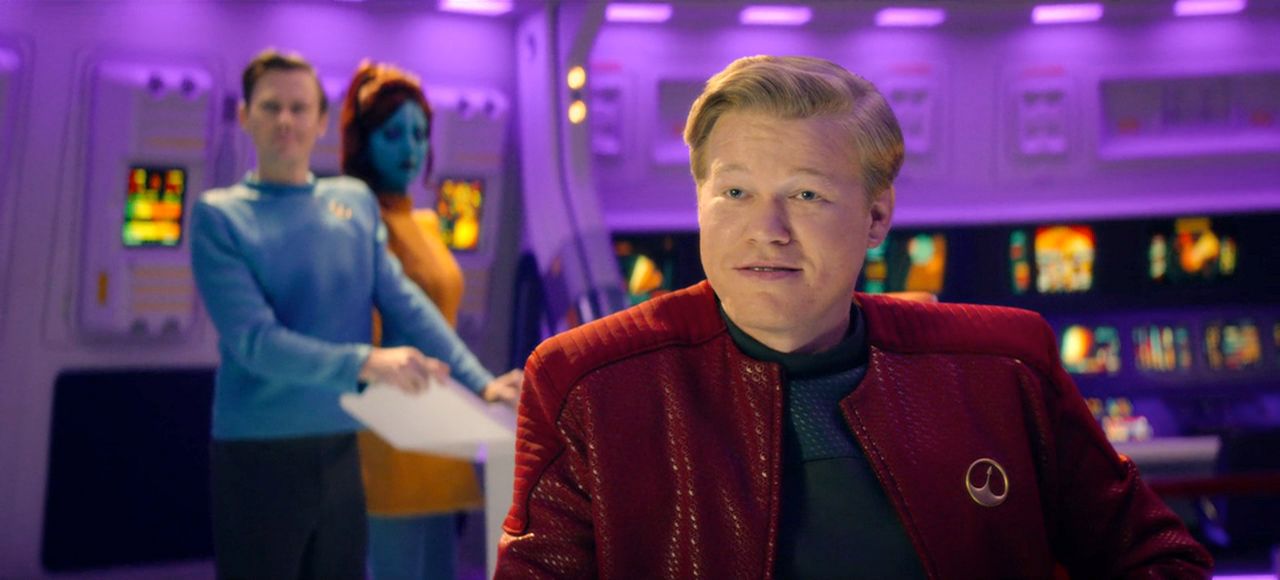
Robert Daly, the brilliant but socially inept programmer at the core of the episode, uses his coding skills to create a virtual reality based on his favorite TV show,Space Fleet(a clear homage to Star Trek). Inside this digital world, he's Captain Daly, the admired and feared leader of the USS Callister. He lords over digital copies of his coworkers, forcing them to obey his every whim and punishing any perceived transgression with cruel and unusual methods.
This is where the episode hits hard. Daly’s behavior isn't just about harmless escapism; it's a manifestation of his real-world frustrations and a desperate attempt to compensate for his feelings of inadequacy. He's using his technical prowess to exert absolute control over others, transforming them into pawns in his twisted game. It's a chilling exploration of how technology can amplify the worst aspects of human nature, allowing individuals to indulge in their darkest fantasies without real-world consequences – or so they think. We see how someone who feels powerless in their daily life can abuse power when given the opportunity, and the devastating impact it has on those subjected to their control.
Digital Identity and the Price of Virtual Immortality
"USS Callister" raises profound questions about the nature of digital identity. The digital clones within Daly's game are created using DNA samples from his coworkers, essentially trapping their consciousness within the virtual world. They retain their memories, personalities, and desires, making them feel agonizingly real. They are, in essence, digital copies living out a terrifying existence.
This begs the question:At what point does a digital copy deserve the same rights and considerations as the original person? The episode doesn't offer easy answers, but it forces us to confront the ethical implications of creating sentient beings within virtual environments. The characters trapped within the game are not just lines of code; they are feeling, thinking individuals who are forced to endure Daly's cruelty. Their suffering is palpable, and it highlights the potential for technology to inflict new forms of pain and oppression. Furthermore, the promise of virtual immortality is often presented as a utopian ideal, but "USS Callister" shows the potential for it to become a dystopian nightmare. Imagine being trapped in a virtual world, subject to the whims of a digital tyrant, with no hope of escape. It's a chilling prospect that challenges our assumptions about the benefits of technological advancement.
Workplace Toxicity and the Search for Validation
The episode's exploration of workplace dynamics adds another layer of complexity to its themes. Daly is portrayed as a brilliant but socially awkward individual who is constantly overlooked and undervalued by his colleagues. He craves recognition for his contributions, but he's often dismissed or ridiculed.
This sense of isolation and frustration fuels his desire for control within the virtual world. The Space Fleetgame becomes his sanctuary, a place where he can be the hero and command the respect he feels he deserves. The episode underscores the importance of creating a positive and supportive work environment where employees feel valued and appreciated. When individuals feel marginalized or ignored, they may resort to unhealthy coping mechanisms, as Daly demonstrates. Moreover, "USS Callister" highlights the dangers of allowing workplace toxicity to fester unchecked. Daly's colleagues are aware of his odd behavior and his potential for vindictiveness, but they are largely dismissive of his concerns. This inaction allows Daly's resentment to grow and ultimately leads to the creation of his virtual prison.
Escapism vs. Reality: The Blurring Lines
One of the most compelling aspects of "USS Callister" is its exploration of the blurring lines between escapism and reality. Daly uses the Space Fleetgame as a means of escaping his mundane and unsatisfying life. In the virtual world, he can be the powerful and respected Captain Daly, a far cry from the socially awkward programmer he is in reality.
However, his obsession with the game quickly spirals out of control, consuming his life and blurring the lines between fantasy and reality. He becomes increasingly detached from the real world, prioritizing his virtual existence over his real-life relationships and responsibilities. The episode serves as a cautionary tale about the dangers of excessive escapism and the importance of maintaining a healthy balance between our virtual and real lives. While technology can provide us with opportunities for entertainment, connection, and creativity, it's crucial to remember that it's not a substitute for genuine human interaction and real-world experiences. When we become too reliant on virtual worlds, we risk losing touch with reality and neglecting the relationships and responsibilities that are essential for a fulfilling life.
Decoding the Characters: Who's Who in This Digital Drama
"USS Callister" boasts a cast of compelling characters, each playing a crucial role in the episode's exploration of its central themes. Understanding their motivations and relationships is key to fully grasping the episode's message. Let's take a closer look at some of the key players:
Robert Daly: The Anti-Hero
Daly is a complex and deeply flawed character. He's a brilliant programmer, but he's also socially inept, insecure, and prone to vindictiveness. He craves recognition and respect, but he lacks the social skills to achieve it in a healthy way. His creation of the Space Fleetgame is driven by a desire to escape his real-world frustrations and exert control over others. While he's undoubtedly the villain of the story, it's important to acknowledge the underlying reasons for his behavior. He's a victim of workplace toxicity, and his actions are a manifestation of his deep-seated insecurities and feelings of inadequacy. That doesn't excuse his behavior, of course, but it adds a layer of complexity to his character and makes him more than just a one-dimensional villain. He embodies the potential for technology to amplify the worst aspects of human nature when combined with unchecked power and a lack of empathy.
Nanette Cole: The Reluctant Heroine
Nanette is the newest employee at Callister Inc., and she quickly becomes Daly's object of fascination. He uses her DNA to create a digital copy of her within his Space Fleetgame. Initially, she's terrified and overwhelmed by her virtual existence, but she quickly emerges as the leader of the rebellion against Daly. She's intelligent, resourceful, and courageous, and she's determined to find a way to escape the virtual prison. Nanette represents the potential for resilience and resistance in the face of oppression. She's a symbol of hope in a dark and disturbing world, and her determination to fight for her freedom is inspiring. She embodies the importance of standing up to injustice, even when the odds seem insurmountable.
Walton: The Pragmatic Survivor
Walton is another of Daly's coworkers who is trapped within the Space Fleetgame. He's been subjected to Daly's abuse for longer than Nanette, and he's become jaded and cynical as a result. He's initially hesitant to join Nanette's rebellion, fearing the consequences of defying Daly. However, he eventually comes around and plays a crucial role in the escape plan. Walton represents the struggle to maintain hope and courage in the face of prolonged oppression. He's a reminder that even those who seem resigned to their fate can still find the strength to fight for their freedom. He also embodies the importance of community and collaboration in overcoming adversity. By working together, Nanette, Walton, and the other members of the crew are able to achieve what they couldn't do alone.
The Lasting Impact of USS Callister: Why It Still Resonates
"USS Callister" isn't just a memorable episode of Black Mirror; it's a cultural touchstone that continues to resonate with audiences years after its initial release. Its exploration of timely and relevant themes, combined with its compelling characters and suspenseful plot, has cemented its place as one of the show's most iconic episodes. But why does it continue to haunt our thoughts?
Fear of Technological Dependence
The episode taps into a deep-seated fear of technological dependence. As our lives become increasingly intertwined with technology, we become more vulnerable to its potential downsides. "USS Callister" shows us what can happen when technology is used to exploit, control, and dehumanize others. It serves as a warning about the importance of being mindful of our relationship with technology and ensuring that it serves our best interests. It also reminds us that technology is just a tool, and like any tool, it can be used for good or evil. It's up to us to ensure that it's used in a way that promotes human flourishing and well-being.
The Perils of Unchecked Power
The episode's depiction of Daly's abuse of power is particularly chilling. It serves as a reminder of the dangers of unchecked power and the importance of holding those in positions of authority accountable. Daly's behavior is a stark illustration of how power can corrupt, even in a virtual environment. It highlights the need for safeguards to prevent abuse and protect the rights of individuals, both in the real world and in the digital realm. It also underscores the importance of whistleblowers and others who are willing to speak out against injustice, even at personal risk.
The Ethical Dilemmas of Virtual Reality
"USS Callister" raises profound ethical questions about the creation and use of virtual reality. As virtual reality technology becomes more sophisticated, it's increasingly important to consider the ethical implications of creating sentient beings within virtual environments. The episode forces us to confront the potential for virtual reality to be used for harmful purposes, such as torture, exploitation, and psychological manipulation. It also raises questions about the rights and responsibilities of creators and users of virtual reality, and the need for ethical guidelines and regulations to govern its development and deployment. The story reminds us that even in virtual worlds, our actions have consequences, and we must be mindful of the impact they have on others.
Call to Action:Navigating the Future Responsibly
"USS Callister" serves as a potent reminder of the potential pitfalls of unchecked technological advancement. It challenges to think critically about the ethical implications of our digital lives and to be mindful of the power dynamics that exist in both the real and virtual worlds. We can create a more responsible and ethical future by understanding the themes and issues.
It is essential to advocate for ethical guidelines and regulations to govern the development and use of new technologies, especially in areas like virtual reality and artificial intelligence. By demanding accountability from tech companies and policymakers, we can help ensure that these technologies are used in ways that benefit humanity as a whole. Additionally, supporting initiatives that promote digital literacy and awareness can empower individuals to navigate the digital world safely and responsibly, protecting themselves from exploitation and abuse. We can also foster a culture of empathy and respect in both the real and virtual worlds. By treating others with kindness and compassion, even when we disagree with them, we can help create a more positive and inclusive online environment. So, let’s use the lessons from "USS Callister" to inform our choices and actions as we navigate the ever-evolving digital landscape.
Ready to start a conversation about the ethics of technology and its impact on our lives? What steps can you take to promote responsible technology use in your own community or workplace? Let's work together to ensure that the future of technology is one that benefits all of humanity.

Post a Comment for "USS Callister: Analyzing the Episode's Themes"
Post a Comment