USS Callister: Analyzing the Episode's Themes
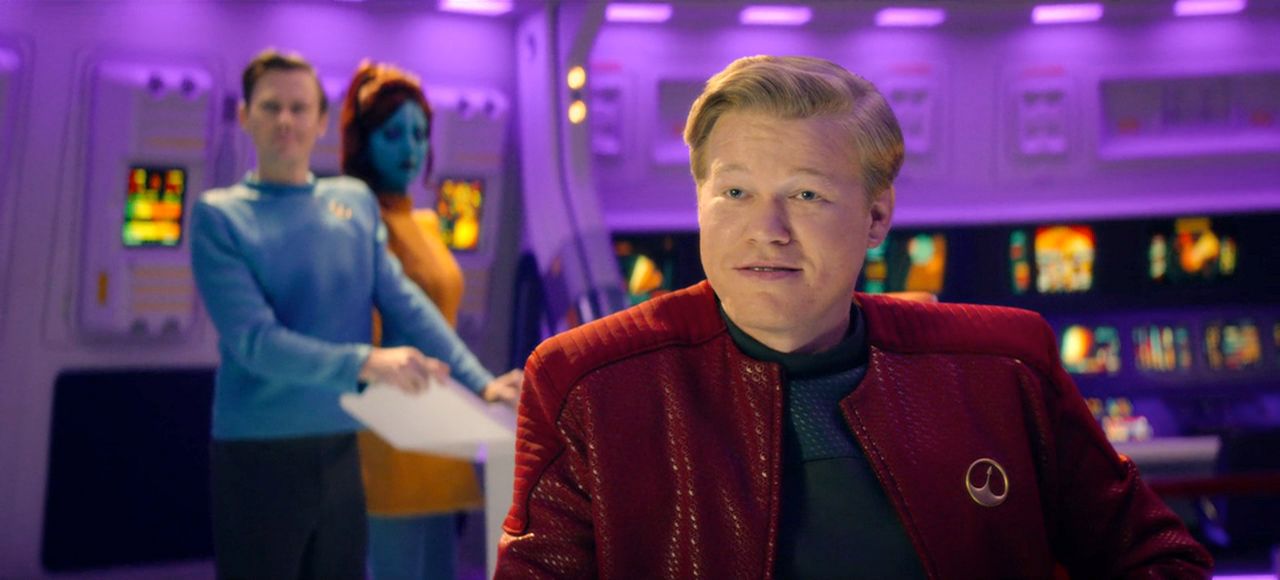
USS Callister: Deconstructing Digital Dystopia and Workplace Woes
Hey there, fellow binge-watchers! Let's dive deep into the twisted world of USS Callister, the Black Mirrorepisode that left us all simultaneously horrified and utterly captivated. This episode isn't just about cool spaceships and digital adventures; it's a biting commentary on power, control, and the very real-world toxicity that can seep into even the most futuristic settings. It's a story about onlineidentity, digitalethics, and theabuseof power in thevirtualrealm. Ever felt undervalued at work? Ever dreamed of escaping into a fantasy whereyou'rethe boss?USS Callistertakes those feelings and cranks them up to eleven, exploring the dark side of unchecked authority and the consequences of turning real people into digital puppets.
Ever get the feeling your boss secretly hates you? Or maybe you’ve spent hours fantasizing about a world whereyoucall the shots?USS Callisterunderstands. It takes those universal feelings of workplace frustration and amplifies them with a hefty dose of Black Mirror’s signature dystopian twist. This episode taps into our anxieties about technology,identity, and the power dynamics that shape our lives, both online and off. It asks uncomfortable questions aboutconsent, control, and thehumanitywe risk losing when we blur the lines between the real and the virtual. It’s a wild ride through a digital Star Trek parody that quickly devolves into a chilling exploration ofisolation, revenge, and theethicsof virtual reality.
But what is it about USS Callisterthat continues to resonate so strongly with viewers? Is it the relatable frustration with office politics? The chilling depiction of unchecked power? Or the satisfying (albeit disturbing) triumph of the underdogs? Maybe it's the way the episode forces us to confront the potential darkness lurking beneath the shiny surface of technological progress. We’re going to dissect USS Callisterpiece by piece, exploring the themes that make it so unforgettable and discussing why it remains one of the most talked-about Black Mirrorepisodes ever made. Buckle up, because we’re about to boldly go where Black Mirrorhas already gone… and analyze the heck out of it!
Understanding the Central Premise of USS Callister
The Illusion of Control:Power Dynamics at Play
The core of USS Callisterrevolves around Robert Daly, a brilliant but socially awkward programmer who feels perpetually overlooked and unappreciated at his own company, Callister Inc. In the real world, he’s a pushover, constantly belittled by his arrogant colleague, James Walton. But in his personalized version of a Star Trek-esque MMO,Space Fleet, Daly is God. He uses his coding skills to create digital copies of his coworkers, trapping them in his game where he reigns supreme.
This setup immediately highlights the theme ofcontrol. Daly's virtual world is a direct response to his lack of power in the real world. He craves therespectandobediencehe's denied in his daily life, and he achieves it by turning his colleagues into digital puppets, forced to cater to his every whim. The episode forces us to consider theethicsof such absolutecontrol, even in a virtual environment. Is it justifiable to inflict suffering on digital copies of people, even if they are based on real individuals?
Theillusionof control is also a key element. Daly believes he's finally in charge, but his actions are ultimately driven by his own insecurities andsocial ineptitude. His "perfect" world is built onfearandcoercion, not genuinerespectoraffection. This highlights the emptiness of power gained throughtyranny.
Escapism and its Perils:The Lure of the Virtual World
USS Callisteralso delves into the theme ofescapism, exploring the dangers of retreating into virtual worlds to avoid dealing with real-life problems. Daly uses Space Fleetas a means of escaping his feelings of inadequacy andsocial isolation. In the game, he can be the hero, the captain, the one in charge – everything he isn't in the real world.
However, the episode quickly reveals the dark side of thisescapism. Daly's obsession with Space Fleetbecomes all-consuming, blurring the lines between reality and fantasy. He becomes so engrossed in his virtual world that he neglects his real-life responsibilities and relationships. He even struggles to differentiate between his digital creations and the real people they're based on, showing the impact of suchimmersive escapism.
This highlights the potential dangers of virtual reality and other forms of immersive technology. While these technologies can offer exciting opportunities forentertainmentandconnection, they can also become addictive and isolating, leading individuals to disconnect from the real world and neglect their real-life relationships.Moderationandbalanceare key.
Ethical Dilemmas Explored in USS Callister
Digital Consent: Do Virtual Copies Deserve Rights?
One of the most unsettling aspects of USS Callisteris the question ofdigital consent. Daly creates digital copies of his colleagues without their knowledge or permission, trapping them in his game against their will. These digital copies are fully conscious and sentient, capable of experiencingpain, fear, andsuffering.
This raises profound ethical questions about therightsof digital entities. Do these virtual copies deserve the samemoral considerationas real people? Should they have the right toautonomyandfreedom? The episode doesn't offer easy answers, but it forces us to grapple with these complex issues.
The lack ofconsentis particularly disturbing. Daly essentially kidnaps his colleagues and imprisons them in his virtual world, subjecting them to histyrannical rule. This blatant violation of theirautonomyhighlights the importance ofinformed consentin the digital age. As technology advances and virtual reality becomes more immersive, it's crucial to establish clear ethical guidelines to protect therightsanddignityof digital entities.
The Morality of Revenge:Justifying Unethical Actions?
Revengeis a major driving force in USS Callister. Daly's actions are motivated by his desire to get back at those who have wronged him in the real world. He uses his virtual world to inflictpunishmenton his colleagues, subjecting them to humiliation,torture, and evendeath.
The episode raises questions about themoralityofrevenge. Is it ever justifiable to take matters into one's own hands and inflict suffering on others, even if they deserve it?USS Callisterdoesn't condone Daly's actions, but it does explore the complexities ofhuman natureand the desire forretribution.
The consequences ofrevengeare also highlighted. Daly's actions ultimately lead to his own downfall, as his colleagues eventually find a way to escape his control and turn the tables on him. This serves as a cautionary tale about the dangers of lettingangerandresentmentconsume oneself.Forgivenessis usually a better path.
Workplace Toxicity: A Mirror to Real-World Issues
Bullying and Harassment: The Impact on Mental Health
Beyond the science fiction elements,USS Callisteris a powerful commentary onworkplace toxicity. Daly is subjected to constantbullyingandharassmentby his colleagues, particularly James Walton. This abuse takes a toll on hismental health, contributing to his feelings ofinsecurityandisolation.
The episode shines a light on the devastating impact ofbullyingandharassmentin the workplace. It demonstrates how these behaviors can erode an individual'sself-esteem, confidence, andsense of belonging. It also highlights the importance of creating asupportiveandrespectfulwork environment where employees feel valued and safe.
The episode also points to the importance ofbystander intervention. Daly's colleagues often witness Walton'sbullyingbehavior, but they rarely intervene to stop it. This highlights the role that bystanders play in perpetuatingtoxicwork environments. It's crucial for individuals to speak up againstbullyingandharassmentand to support those who are being targeted.
Lack of Recognition: The Crushing Weight of Being Overlooked
Another key theme is thelack of recognitionthat Daly receives for his contributions to Callister Inc. He's the one who actually creates and maintains Space Fleet, the company's most successful product, but he's constantly overlooked and underappreciated by his superiors.
This highlights the importance ofemployee recognitionandappreciation. When employees feel valued and appreciated, they are more likely to beengaged, motivated, andproductive. Conversely, when employees feel overlooked and underappreciated, they may becomedisengaged, resentful, and evenseek revenge, as seen in Daly's case.
Companies should strive to create a culture ofrecognitionwhere employees are regularly acknowledged for their contributions. This can involve simple gestures like saying "thank you," providingpositive feedback, or offering opportunities forprofessional development. A littleappreciationcan go a long way in boostingemployee moraleand reducingworkplace toxicity.
The Power of Unity and Rebellion: Finding Strength in Numbers
Overcoming Oppression: Standing Up to Tyranny
Despite the bleakness of the situation,USS Callisteralso offers a message ofhopeandempowerment. Daly's digital captives eventually realize that they can work together toovercomehistyranny. They pool theirintellect, skills, andresourcesto devise a plan to escape his control.
This highlights thepower of unityandrebellionin the face ofoppression. When individuals band together and stand up for theirrights, they can achieve incredible things. The episode serves as an inspiration to anyone who feelspowerlessoroppressed.
The captives'rebellionis not without its challenges. They face setbacks, betrayals, and moments of despair. However, they never give up on theirhopeoffreedom. Theirdeterminationandresilienceultimately allow them to succeed in their mission.
The Importance of Collective Action: Finding Strength in Solidarity
The captives' success is also a testament to theimportance of collective action. They realize that they are stronger together than they are apart. They learn to trust each other,supporteach other, and work together towards a common goal.
This highlights the importance ofsolidarityin achievingsocial change. When individuals come together and work collectively, they can amplify their voices and create meaningful impact. The episode serves as a reminder that even the most seeminglyinsurmountablechallenges can beovercomethroughcollective action.
Thecollaborative spiritdisplayed by the captives is truly inspiring. They understand that their survival depends on their ability to work together effectively. They put aside theirpersonal differencesand focus on their shared goal ofescaping Daly'styranny.
##USS Callister*: A Cautionary Tale for the Digital Age
Reflecting on Technology and its Potential Consequences
USS Callisterserves as acautionary taleabout thepotential consequencesofunfettered technological advancement. The episode explores the dark side of virtual reality and artificial intelligence, highlighting the dangers of unchecked power and the importance of ethical considerations.
It reminds us that technology is a tool, and like any tool, it can be used for good or for evil. It's up to us to ensure that technology is used in a responsible and ethical manner, to promotehumanityandwell-being, rather than toexploitandoppress.
The episode prompts us to reflect on our ownrelationshipwith technology. Are we using technology in a way that enhances our lives and connects us with others, or are we becoming increasingly isolated and dependent on virtual worlds?Self-awarenessis key.
Navigating the Future of Virtual Reality: Ethical Considerations Moving Forward
As virtual reality and other immersive technologies become more prevalent, it's crucial to address theethical considerationsraised by USS Callister. We need to establish clearguidelinesandregulationsto protect therightsanddignityof individuals in the digital realm.
This includes addressing issues such asdigital consent, data privacy, and thepotential for abusein virtual environments. We also need to consider thepsychological impactof virtual reality and ensure that individuals are not being harmed by their experiences in these worlds.
USS Callisteris not just a science fiction story; it's a warning. It's a reminder that we need to be mindful of thepotential consequencesof our technological choices and to ensure that technology is used in a way that promoteshumanityandjustice. It forcescritical thinkingabout the future.
Conclusion: Beyond the Screen - The Enduring Impact of USS Callister
So, there you have it: a deep dive into the unsettling brilliance of USS Callister. From its exploration ofworkplace toxicityto its chilling depiction ofdigital tyranny, this Black Mirrorepisode leaves a lasting impression. It's a stark reminder of theethical considerationswe must confront as technology continues to evolve and intertwine with our lives.
The core takeaway?Power, control, andconsentare paramount, whether in the real world or the virtual one.USS Callisterurges us to consider thehumanityof those around us, both online and off, and to actively combat the forces ofoppressionandabusewherever they may arise.
Now, we challenge you: next time you're feeling frustrated at work or tempted to escape into a digital fantasy, remember Robert Daly and the chilling consequences of his actions. Instead, focus on building genuine connections, addressing real-world problems, and advocating for a moreequitableandcompassionatesociety.
Let USS Callisterbe a catalyst forpositive changein your own life and in the world around you. Are you ready to boldly go… and make a difference?

Post a Comment for "USS Callister: Analyzing the Episode's Themes"
Post a Comment