The Aftermath of the Recent Helicopter Crash: What We Know
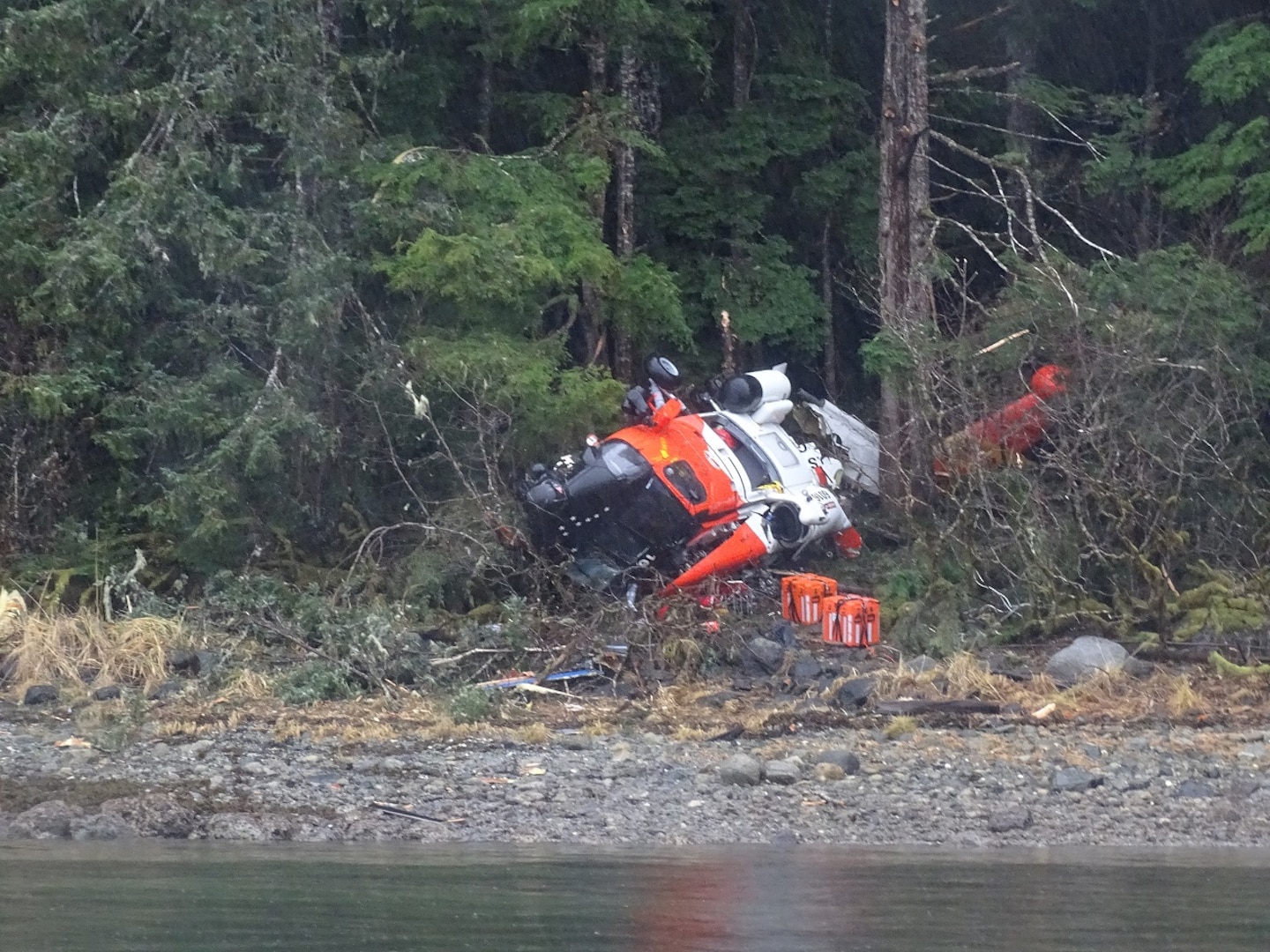
The Aftermath of the Recent Helicopter Crash: Unpacking What We Know
Alright, friends, let's dive into something that's been on everyone's mind lately: the recent helicopter crash.It'sthe kind of news that stops you in your tracks, right? We've all seen those headlines flashing across our screens, leaving us with more questions than answers. Whatreallyhappened? Who was involved? And what does this all mean moving forward? This article aims to provide a breakdown of the aftermath of this tragic event, offering insight into what we currently know.
Understanding the Initial Impact: The Aftermath of the Recent Helicopter Crash
The initial hours following a helicopter crash are chaotic.Thinkabout it: First responders rushing to the scene, news outlets scrambling for information, and families desperately seeking updates. It's a whirlwind of activity, often fueled by uncertainty and fear. We see images and videos, sometimes incomplete or inaccurate, circulating online, adding to the confusion. Remember that time you tried to assemble IKEA furniture without the instructions? It's a bit like that, except instead of a wobbly bookshelf, we're dealing with a complex and tragic incident.
Immediately after the crash, the focus is on several key areas: rescue operations (if applicable), securing the crash site, and initiating the preliminary investigation. Rescue efforts take top priority, hoping to locate and assist any survivors. Simultaneously, the area is cordoned off to prevent tampering with evidence and ensure the safety of investigators.Theseearly stages are critical for gathering initial data and setting the stage for a thorough investigation into the cause of the crash. It's like the first few brushstrokes of a painting – they lay the groundwork for the whole picture.
Securing the Scene and Initial Assessment
Securing the crash site is more than just putting up some yellow tape.Itinvolves establishing a perimeter to prevent unauthorized access, protecting potential evidence from the elements (weather, etc.), and documenting the initial state of the wreckage. Investigators will conduct a walk-through of the site, taking photos and videos, and making preliminary observations about the condition of the aircraft, terrain, and any potential contributing factors. This initial assessment is crucial for determining the scope of the investigation and identifying areas that require further scrutiny. Think of it as a crime scene investigation, but on a much larger scale and involving a complex piece of machinery.
The Role of First Responders and Emergency Services
First responders, including firefighters, paramedics, and law enforcement officers, play a vital role in the immediate aftermath of a helicopter crash.Theirprimary objective is to provide medical assistance to any survivors and ensure the safety of the area. This often involves navigating challenging terrain, dealing with hazardous materials (such as fuel spills), and coordinating with other agencies. The actions of first responders in those critical first hours can significantly impact the outcome of the event, highlighting their importance in any emergency situation. They're the unsung heroes who rush towards danger when everyone else is running away.
Investigating the Cause: Delving into the 'Why'
Once the immediate aftermath is under control, the focus shifts to determining the cause of the crash. This is a complex and multifaceted process, often involving multiple agencies and experts. We're talking about organizations like the National Transportation Safety Board (NTSB), the Federal Aviation Administration (FAA), and sometimes even the helicopter manufacturer.Thesegroups work together to piece together what happened, analyzing everything from the aircraft's maintenance records to weather conditions at the time of the crash.
The investigation process is thorough and methodical.Itinvolves examining the wreckage, interviewing witnesses, reviewing flight data recorders (the "black boxes"), and analyzing air traffic control communications. Investigators look for any potential contributing factors, such as mechanical failure, pilot error, weather conditions, or even sabotage. Think of it as a complex puzzle, where each piece of evidence provides a clue to solving the mystery of the crash. It can take months, even years, to complete a comprehensive investigation and determine the definitive cause.
Key Investigative Agencies Involved
The NTSB is typically the lead agency in investigating aviation accidents in the United States.Theirmission is to determine the probable cause of accidents and issue safety recommendations to prevent future occurrences. The FAA, on the other hand, is responsible for regulating and overseeing the aviation industry, including air traffic control, aircraft maintenance, and pilot training. These agencies work independently but often collaborate to ensure a comprehensive investigation. It's like having a team of detectives, each with their own area of expertise, working together to solve a complex case.
Potential Contributing Factors to Helicopter Crashes
Helicopter crashes can be caused by a variety of factors, either individually or in combination.Somecommon causes include: Mechanical Failure: Malfunctions of critical components, such as the engine, rotor system, or hydraulic system. Pilot Error: Mistakes made by the pilot, such as misjudging altitude, failing to maintain control of the aircraft, or violating regulations. Weather Conditions: Adverse weather conditions, such as strong winds, heavy rain, fog, or icing, can make it difficult to control a helicopter. Maintenance Issues: Improper or inadequate maintenance can lead to mechanical failures and increase the risk of an accident. Air Traffic Control Errors: Mistakes made by air traffic controllers, such as providing incorrect instructions or failing to maintain separation between aircraft. Human Factors: Issues related to fatigue, stress, or medical conditions affecting the pilot or other crew members.
The Role of Flight Data Recorders ('Black Boxes')
Flight data recorders, commonly known as "black boxes," are crucial for understanding what happened during a flight.Thesedevices record a wide range of data, including airspeed, altitude, engine performance, and control inputs. By analyzing the data from the flight data recorder, investigators can reconstruct the flight path and identify any anomalies or unusual events that may have contributed to the crash. It's like having a detailed log of everything that happened in the cockpit leading up to the accident.
Identifying Victims and Supporting Families: A Time for Compassion
In the wake of a helicopter crash, one of the most difficult and sensitive tasks is identifying the victims and providing support to their families.Thisprocess requires careful coordination between law enforcement, medical examiners, and victim assistance organizations. The goal is to provide accurate information to families in a timely and compassionate manner, while also respecting their privacy and grief.
Victim identification can be a challenging process, especially if the crash was severe.Itmay involve using dental records, DNA analysis, or other forensic techniques to identify the deceased. Once identities have been confirmed, authorities will notify the families and provide them with information about available resources, such as counseling, financial assistance, and legal support. It's a time for empathy and understanding, recognizing the immense loss and trauma that families are experiencing.
The Process of Victim Identification
The victim identification process is a meticulous and often emotionally challenging task.Ittypically involves: Collecting Personal Effects: Gathering items such as wallets, jewelry, or clothing that may help identify the victims. Dental Records: Comparing dental records of the deceased with existing records to confirm identities. DNA Analysis: Using DNA samples to match the deceased with family members. Fingerprint Analysis: Comparing fingerprints of the deceased with existing databases. Visual Identification:In some cases, visual identification may be possible, but this is often not reliable in severe crashes.
Grief Counseling and Support Services Available
Following a tragedy like a helicopter crash, grief counseling and support services are essential for helping families cope with their loss.Theseservices can provide a safe and supportive environment for individuals to express their emotions, process their grief, and begin the healing process. Many organizations offer counseling services, support groups, and other resources to help families navigate this difficult time. Remember, it's okay to ask for help, and there are people who care and want to support you.
Protecting the Privacy of Victims and Families
It's crucial to respect the privacy of victims and their families during this difficult time.Thismeans avoiding the spread of rumors or speculation about the crash, and refraining from sharing sensitive information about the victims without their consent. News media should also be mindful of the impact their reporting can have on families and strive to provide accurate and compassionate coverage. Remember, behind every headline, there are real people who are grieving.
Preventing Future Accidents: Learning from Tragedy
The ultimate goal following a helicopter crash is to learn from the tragedy and prevent future accidents.Thisinvolves analyzing the findings of the investigation, identifying any systemic issues that may have contributed to the crash, and implementing safety recommendations to address those issues. It's a continuous process of improvement, aimed at making the aviation industry as safe as possible.
Safety recommendations may include changes to aircraft design, maintenance procedures, pilot training, or air traffic control procedures.Theserecommendations are typically issued by the NTSB and other investigative agencies, and they are often adopted by the FAA and other regulatory bodies. By implementing these recommendations, the aviation industry can reduce the risk of future accidents and save lives. It's like learning from your mistakes – hopefully, you only have to make them once.
Implementing Safety Recommendations
Implementing safety recommendations can be a complex and time-consuming process.Itmay involve: Developing New Regulations: The FAA may issue new regulations to address safety concerns identified in the investigation. Updating Training Programs: Pilot training programs may be updated to emphasize specific safety procedures or address identified risk factors. Improving Maintenance Procedures: Aircraft maintenance procedures may be revised to ensure that critical components are properly inspected and maintained. Modifying Aircraft Design: Aircraft manufacturers may make design changes to improve the safety of their aircraft. Enhancing Air Traffic Control Procedures:Air traffic control procedures may be enhanced to improve communication and coordination between air traffic controllers and pilots.
The Role of Technology in Enhancing Safety
Technology plays an increasingly important role in enhancing aviation safety.Newtechnologies, such as advanced navigation systems, weather forecasting tools, and collision avoidance systems, can help pilots avoid hazards and make better decisions in flight. In addition, data analysis tools can be used to identify trends and patterns that may indicate potential safety risks. By embracing technology, the aviation industry can continue to improve its safety record. It's like having a co-pilot that never sleeps and is always looking out for danger.
Continuous Improvement in Aviation Safety
Aviation safety is a continuous process of improvement.Itrequires ongoing collaboration between government agencies, industry stakeholders, and researchers. By sharing information, learning from accidents, and implementing safety recommendations, the aviation industry can continue to make air travel safer for everyone. It's a commitment to excellence, driven by the desire to prevent future tragedies. The quest to improve safety is never done.
The Aftermath of the Recent Helicopter Crash: Remaining Questions
Even after a thorough investigation, there are often remaining questions about a helicopter crash.Somequestions may never be fully answered, due to a lack of evidence or conflicting information. However, the investigation process is designed to uncover as much information as possible, and the findings can provide valuable insights into the causes of the crash and potential ways to prevent future accidents. It's like trying to solve a mystery with missing pieces – you may never know the whole story, but you can still learn a lot from what you do know.
Addressing Conspiracy Theories and Misinformation
In the wake of a tragedy like a helicopter crash, conspiracy theories and misinformation can spread rapidly online.It'simportant to be critical of the information you encounter and rely on credible sources for accurate news and analysis. Avoid sharing unverified information, and be wary of claims that seem too sensational or too good to be true. Remember, the truth matters, and it's important to combat the spread of misinformation. Always check your sources and be skeptical of anything you see online.
The Importance of Accurate Reporting and Information
Accurate reporting and information are essential in the aftermath of a helicopter crash.Ithelps to ensure that the public is informed about the facts of the case, and it can also help to prevent the spread of misinformation and conspiracy theories. News media should strive to provide accurate and balanced coverage, and they should be mindful of the impact their reporting can have on victims and their families. Transparency and accountability are key to maintaining public trust. A responsible press plays a critical role in informing the public and holding authorities accountable.
Moving Forward with Caution and Reflection
In the aftermath of a helicopter crash, it's important to move forward with caution and reflection.Weshould learn from the tragedy, implement safety recommendations, and strive to prevent future accidents. We should also remember the victims and their families, and offer them our support and compassion. By working together, we can make the aviation industry as safe as possible and honor the memory of those who have been lost. Let's take a moment to reflect on the lessons learned and commit to making a positive difference.
Understanding The Aftermath of the Recent Helicopter Crash: What We Know
The aftermath of any aviation accident, especially a helicopter crash, is a complex and emotionally charged period. From the immediate response of emergency services to the meticulous investigation by agencies like the NTSB and FAA, every step is crucial in understanding what happened and preventing similar tragedies.Whatwe've explored highlights the importance of thorough investigation, the vital role of technology, and the unwavering commitment to improving aviation safety. It's a sobering reminder of the risks involved in flight, but also a testament to human ingenuity and resilience in the face of adversity. So, what's next?
The Aftermath of the Recent Helicopter Crash: Summarizing Our Understanding
We've journeyed through the immediate chaos following the crash, dissecting the initial response and the critical role of first responders.Thenwe turned our attention to the investigation process, outlining the agencies involved and the potential contributing factors that could lead to such an accident. We also touched upon the sensitive matter of victim identification and the vital support systems available to grieving families. Finally, we stressed the importance of learning from these tragedies to implement safety recommendations and prevent future accidents. In short, we've covered a lot of ground, aiming to provide a comprehensive overview of the aftermath of a helicopter crash.
Taking Action: Staying Informed and Supporting Safety
Now that you're equipped with a deeper understanding of the aftermath of a helicopter crash, I encourage you to stay informed about the ongoing investigations and safety recommendations.Considersupporting organizations dedicated to aviation safety or contributing to funds that assist the families of victims. By staying engaged and informed, you can play a part in promoting a safer aviation environment for everyone.
A Final Thought: Hope and Resilience in the Face of Tragedy
Even in the face of such tragic events, the human spirit remains resilient.Thededication of investigators, the compassion of support organizations, and the unwavering commitment to safety within the aviation industry all point to a brighter future. Let's continue to learn from these experiences and work together to create a safer world. Will you join me in striving for a safer future in the skies?

Post a Comment for "The Aftermath of the Recent Helicopter Crash: What We Know"
Post a Comment