Frozen Four: The Road to the Championship
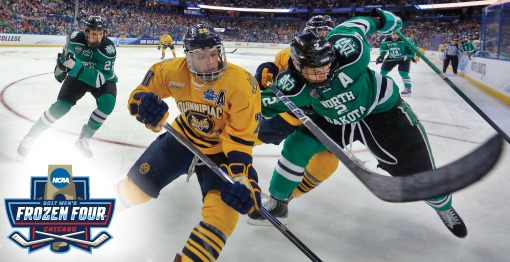
Frozen Four: Chasing College Hockey Glory
Hey there, fellow hockey enthusiasts! Ever wonder what it takes for a college hockey team to go from the first face-off of the season to hoisting that coveted national championship trophy at the Frozen Four? It's a wild ride, filled with nail-biting games, underdog stories, and moments of sheer brilliance. The journey Frozen Four:The Road to the Championshipis one of grit, determination, and a whole lot of ice time. Think of it like trying to assemble IKEA furniture without the instructions – challenging, frustrating at times, but oh-so-rewarding when you finally get it right!
Understanding the Frozen Four: The Road to the Championship
The NCAA Men's Ice Hockey Championship, culminating in the Frozen Four, is arguably one of the most exciting tournaments in all of collegiate sports. It’s where the best of the best clash, battling it out for national supremacy. But it's so much more than just a series of games. It's the culmination of an entire season's worth of hard work, dedication, and sacrifice. Imagine spending countless hours practicing, travelling, and studying (because, let's face it, these athletes are students first!), all for a shot at glory. That's the reality for these players.
The road to the Frozen Fourisn't a walk in the park,Frozen Four: The Road to the Championship. It's a gauntlet. Teams have to navigate their way through tough conference schedules, survive the pressure cooker of conference tournaments, and then emerge victorious from the NCAA tournament regionals. It's a true test of skill, resilience, and mental fortitude. Think of it as a marathon, not a sprint. Teams need to pace themselves, conserve energy, and be ready to dig deep when the going gets tough. And let's not forget the role of luck. A fortunate bounce of the puck, a timely save, or an unexpected penalty can be the difference between victory and defeat.
The Importance of Regular Season Performance
The regular season sets the stage for everything. A strong showing not only boosts a team's confidence but also significantly impacts their seeding in both the conference and NCAA tournaments. Think of it as building a solid foundation for a skyscraper. The stronger the foundation, the taller and more impressive the building can be. Teams that consistently perform well during the regular season are more likely to earn favorable seedings, which means potentially easier matchups in the early rounds of the tournaments.
But it's not just about wins and losses. The regular season is also a crucial time for teams to develop their chemistry, refine their strategies, and identify their strengths and weaknesses. It's an opportunity to experiment with different line combinations, test out new defensive schemes, and fine-tune their special teams play. This period allows coaches to assess their team's capabilities and make necessary adjustments before the high-stakes environment of the playoffs.
Conference Tournaments: A Crucial Hurdle
Conference tournaments act as a gateway to the NCAA tournament. Winning your conference championship guarantees an automatic bid, providing a safety net regardless of your overall record or national ranking. But even if a team doesn't win their conference tournament, a strong performance can still significantly improve their chances of receiving an at-large bid to the NCAA tournament.
These tournaments are notorious for upsets and drama. The pressure is amplified, and every game feels like a do-or-die situation. Teams often have to play multiple games in quick succession, testing their endurance and depth. It's a time when individual brilliance and team unity truly shine through. Players elevate their game, coaches make strategic adjustments on the fly, and fans are treated to some of the most intense and memorable hockey moments of the season.
The NCAA Tournament: A Path to Glory
The NCAA Men's Ice Hockey Tournament consists of 16 teams vying for the ultimate prize. These teams are selected based on a combination of factors, including their regular-season record, conference tournament performance, and overall strength of schedule. The selection committee, comprised of athletic administrators and hockey experts, carefully evaluates each team's resume to ensure that the most deserving teams are included in the tournament field.
The tournament is structured as a single-elimination bracket, meaning that one loss and you're out. This format creates a sense of urgency and excitement, as every game carries immense weight. Teams are seeded based on their perceived strength, with the higher seeds typically receiving home-ice advantage in the regional rounds. However, as any college hockey fan knows, seeding is no guarantee of success. Underdogs often rise to the occasion, and upsets are commonplace.
Regional Rounds: Survival of the Fittest
The first two rounds of the NCAA tournament are known as the regionals. These games are typically played at neutral sites, creating a level playing field for all teams involved. The competition is fierce, with teams leaving everything on the ice in pursuit of a Frozen Fourberth. It's a time when stars are born, and legends are made.
These regional rounds are filled with storylines and subplots. Teams from different conferences clash, creating intriguing matchups and showcasing the diversity of college hockey talent. Underdogs look to pull off shocking upsets, while top seeds aim to prove their dominance. The atmosphere is electric, with fans packing the arenas to witness the drama unfold. Each game is a microcosm of the entire season, a testament to the dedication, skill, and passion of these student-athletes.
The Frozen Four: The Ultimate Stage
The Frozen Fouris the pinnacle of college hockey. It's where the four remaining teams converge to battle it out for the national championship. The atmosphere is unlike anything else, with thousands of fans descending upon the host city to cheer on their teams. The energy is palpable, and the excitement is infectious.
This is where legacies are cemented, and memories are made that last a lifetime. Players dream of playing in the Frozen Fourfrom the moment they first lace up their skates. It's the ultimate test of their abilities, a chance to showcase their talents on the biggest stage. The pressure is immense, but so is the reward.
The Frozen Fourconsists of two semifinal games, followed by the national championship game. Each game is a battle of attrition, a test of physical and mental toughness. Teams must be at their absolute best to have a chance of winning. Every shift, every pass, every shot matters. One mistake can be the difference between victory and defeat.
Key Factors for Success
So, what does it take to make it to the Frozen Fourand ultimately win the national championship? While there's no magic formula, there are several key factors that consistently contribute to success. These factors encompass both on-ice performance and off-ice preparation.
Elite Talent: Having skilled players is essential. This includes top goal scorers, shutdown defensemen, and a reliable goaltender. But talent alone isn't enough. Players must be willing to work hard, sacrifice for the team, and embrace their roles. Coaching Expertise: A strong coaching staff can make all the difference. Coaches are responsible for developing game plans, making strategic adjustments, and motivating their players. They also play a crucial role in recruiting and player development. Team Chemistry: A cohesive team that plays together and supports each other is more likely to succeed. This includes having strong leadership, open communication, and a positive team culture. Discipline and Special Teams: Avoiding penalties and excelling on special teams (power play and penalty kill) are critical. These aspects of the game can often swing momentum and determine the outcome of close contests. Goaltending:A hot goaltender can carry a team through the tournament. Consistent, reliable goaltending provides a sense of stability and confidence that permeates the entire team.
The Role of Leadership
Leadership plays a vital role in guiding a team through the ups and downs of a long season. Strong leaders can inspire their teammates, hold them accountable, and help them stay focused on their goals. These leaders can be veterans who lead by example, providing guidance and support to younger players.
Effective leadership extends beyond the ice. It includes creating a positive team culture, fostering open communication, and promoting a sense of unity. Leaders are also responsible for resolving conflicts, addressing concerns, and ensuring that everyone is working towards the same objective. The presence of strong leaders can be the difference between a good team and a great one.
The Impact of Fan Support
The energy and enthusiasm of the fans can have a significant impact on a team's performance. A supportive crowd can provide a boost of confidence, create a hostile environment for opponents, and help to swing momentum in crucial moments. It is Frozen Four: The Road to the Championship.
Home-ice advantage can be a significant asset, particularly in the regional rounds of the NCAA tournament. The roar of the crowd, the familiarity of the surroundings, and the psychological edge of playing in front of a supportive audience can all contribute to a team's success. Fan support can also extend beyond the arena, with alumni, family members, and community members rallying behind the team and providing encouragement and financial support.
Recent Frozen Four Champions: Lessons Learned
Looking back at recent Frozen Fourchampions can provide valuable insights into what it takes to reach the pinnacle of college hockey. These teams often share common characteristics, such as a strong defensive core, exceptional goaltending, and a balanced offensive attack.
Analyzing their regular-season performance, conference tournament results, and NCAA tournament path can reveal key factors that contributed to their success. Examining their coaching strategies, player development programs, and team culture can also provide valuable lessons for aspiring champions. By studying the past, teams can better prepare for the future and increase their chances of achieving their own Frozen Fourdreams.
Is your favorite team ready to make a run for the Frozen Fourthis year? Only time will tell!
Seize the Championship: Your Call to Action
And that, my friends, is the Frozen Four: The Road to the Championship– a grueling but ultimately rewarding journey for those who dare to dream big. From the regular season grind to the pressure-packed atmosphere of the NCAA tournament, it's a testament to the hard work, dedication, and passion of these student-athletes. Now it's your turn to take action! Support your favorite college hockey team, attend their games, and spread the word about the excitement of the Frozen Four. Maybe Frozen Four: The Road to the Championshipwill give you good luck. Share this article with your fellow hockey fanatics and let's celebrate the journey to college hockey glory together! Who knows, maybe you'll even inspire the next generation of Frozen Fourchampions.
Remember, every great journey starts with a single step (or, in this case, a single stride on the ice!). So, keep cheering, keep believing, and keep the spirit of college hockey alive! What team do you think has the best shot at winning the Frozen Fourthis year? Let us know in the comments!

Post a Comment for "Frozen Four: The Road to the Championship"
Post a Comment