Autism Epidemic: Understanding the Current Crisis
Autism Epidemic: Unraveling the Mystery and Finding Hope
Navigating the complexities of autism spectrum disorder requires understanding the shifting landscape of diagnosis and support to better help our communities.
Hey there, friend! Ever feel like you're hearing the word "autism"everywherethese days? Like it's suddenly become this common thing that everyone's talking about? You're not alone. It’s a topic that's been bubbling in the background for years, but now it seems to be front and center, and sometimes it feels a bit…well, overwhelming. We hear terms like "_autism epidemic_," and it's easy to feel confused and maybe even a little scared.
But before we dive headfirst into panic mode, let's take a deep breath and try to understand what'sreallygoing on. Is there truly anautism epidemic? Are more kids actually developing autism, or are we just getting better at recognizing it? What does this all mean for families, schools, and communities?
Think of it like this:remember when smartphones first came out? Suddenly,everyonehad one. Did more people suddenlyneeda phone, or did the technology just become more accessible and useful? Similarly, the rising numbers of autism diagnoses aren't necessarily aboutmoreautism existing, but rather about increased awareness, better diagnostic tools, and a broader understanding of what autism actually is.
We're not just slapping labels on kids; we're learning to see the diverse spectrum of neurodevelopment and recognizing the unique needs of individuals who think and experience the world differently. And that's agoodthing! But with increased awareness comes increased responsibility. We need to understand the complexities of autism, the challenges faced by individuals with autism and their families, and the best ways to provide support and resources.
So, grab a cup of coffee (or tea, if that's your jam), settle in, and let's unpack this "autism epidemic" together. We'll explore the data, debunk some myths, and talk about what we can all do to create a more inclusive and supportive world for everyone on the spectrum. Ready to unravel the mystery? Let's get started! Because therealquestion isn’t whether there’s anautism epidemic, but rather, what canwedo to better understand and support the amazing neurodiversity around us?
Understanding Autism Spectrum Disorder (ASD)
What is Autism Spectrum Disorder?
Autism Spectrum Disorder (ASD) is a complex developmental condition that affects how a person interacts, communicates, learns, and behaves. The term "spectrum" is crucial here, because autism isn't a one-size-fits-all diagnosis. It encompasses a wide range of abilities, challenges, and needs. Some individuals with autism may be highly verbal and independent, while others may have significant communication difficulties and require more support.
Think of it like a rainbow. Each color is distinct, but they all blend together to create something beautiful and complete. Similarly, each individual with autism has a unique set of strengths and challenges that contribute to the overall spectrum. Understanding thisneurodiversityis the first step in moving beyond fear and embracing acceptance.
Some common characteristics of autism include:
Difficulties with social interaction and communication
Repetitive behaviors or interests
Sensory sensitivities (e.g., being overly sensitive to sounds, lights, or textures)
Challenges with executive function (e.g., planning, organizing, and problem-solving)
It’s important to remember that not every person with autism will exhibit all of these characteristics, and the severity of these characteristics can vary greatly. That’s why it’s so important to avoid making generalizations and to approach each individual with empathy and understanding. This is a key component of understanding the*_autism spectrum_.
The Shifting Landscape of Autism Diagnosis
The way autism is diagnosed has changed significantly over the years. In the past, diagnostic criteria were much narrower, focusing primarily on individuals with severe symptoms. As our understanding of autism has evolved, so too has the way we identify and diagnose it. The Diagnostic and Statistical Manual of Mental Disorders (DSM) has been revised several times, broadening the criteria for ASD and including individuals with milder symptoms.
This broadening of the diagnostic criteria is one of the main reasons why we're seeing an increase in autism diagnoses. It's not necessarily thatmorepeople have autism, but rather that we're better at recognizing it in a wider range of individuals. It's like finally having the right tools to see something that was always there.
Consider the example of Asperger's Syndrome. Once considered a separate diagnosis, it is now included under the umbrella of ASD. This change alone contributed to a significant increase in autism diagnoses, as many individuals who previously would have been diagnosed with Asperger's were now diagnosed with ASD. So you can see how understanding the shifting landscape of_autism diagnosis_ is crucial.
Is There Really an Autism Epidemic?
Examining the Data
Alright, let’s get down to the nitty-gritty. Is there actually anautism epidemic? The data certainly suggests that the prevalence of autism is on the rise. According to the Centers for Disease Control and Prevention (CDC), about 1 in 36 children in the United States is diagnosed with autism as of 2023. This is a significant increase from previous estimates, such as 1 in 150 in
2000.
These numbers can be alarming, and it's understandable to wonder what's causing this increase. However, as we discussed earlier, it's important to consider the factors that may be contributing to this rise, such as:Changes in diagnostic criteria: As the definition of autism has broadened, more individuals are being diagnosed. Increased awareness: Greater awareness of autism among parents, educators, and healthcare professionals leads to more referrals for evaluation. Improved diagnostic tools: More sophisticated diagnostic tools and techniques allow for earlier and more accurate diagnoses. Changes in reporting methods: Improvements in data collection and reporting methods provide a more comprehensive picture of autism prevalence.
While these factors likely account for a significant portion of the increase in autism diagnoses, it's also possible that there is a genuine increase in the underlying prevalence of autism. Researchers are actively investigating potential environmental and genetic factors that may be contributing to this rise. The potential causes of the rise in autism prevalence are a topic of intense investigation, and scientists are exploring a range of possibilities, including: Genetic Factors:Studies have shown that autism has a strong genetic component. Researchers are working to identify specific genes and genetic variations that may increase the risk of developing autism.
Environmental Factors: Environmental factors such as exposure to certain chemicals or toxins during pregnancy, maternal health conditions, and complications during birth have also been investigated as potential contributors to autism risk.
Gene-Environment Interactions: It’s likely that autism is not caused by a single gene or environmental factor, but rather by a complex interplay between genetic predispositions and environmental exposures.
Debunking Common Myths
Now, let's bust some myths about autism. There's a lot of misinformation out there, and it's important to separate fact from fiction. Here are a few common myths about autism: Myth: Vaccines cause autism. This is perhaps the most pervasive and damaging myth about autism. Numerous scientific studies have debunked this claim, and there is no credible evidence to support it. The original study that sparked this controversy was retracted due to fraudulent data, and the author lost his medical license. Yet, the myth persists, causing unnecessary fear and anxiety among parents.
Myth: People with autism lack empathy. This is simply not true. While some individuals with autism may have difficulty expressing or understanding emotions in typical ways, they are capable of experiencing empathy and forming meaningful relationships.
Myth: Autism is caused by bad parenting. This is another harmful myth that blames parents for their child's condition. Autism is a neurodevelopmental disorder with complex genetic and environmental factors. It is not caused by anything a parent did or didn't do.
Myth: All people with autism are geniuses. While some individuals with autism may have exceptional talents or abilities in specific areas, this is not the case for everyone. Autism is a spectrum, and individuals with autism have a wide range of intellectual abilities and skill sets.
It's essential to challenge these myths and promote accurate information about autism. Misinformation can lead to stigma, discrimination, and a lack of understanding, which can have a devastating impact on individuals with autism and their families. Understanding and dispelling these myths about the_autism spectrum_ is crucial for fostering a more inclusive and supportive society.
The Impact on Families and Communities
The Challenges Faced by Families
Raising a child with autism can be both rewarding and challenging. Families often face a unique set of obstacles, including: Financial Strain: The costs associated with autism care can be significant, including therapies, specialized education, and medical expenses. Emotional Toll: Parents may experience stress, anxiety, and grief as they navigate the challenges of raising a child with autism. Social Isolation: Families may feel isolated from their communities due to a lack of understanding and support. Navigating the System: The process of accessing services and support for individuals with autism can be complex and overwhelming.
It's crucial to provide families with the resources and support they need to thrive. This includes access to affordable healthcare, specialized education, respite care, and peer support groups. We also need to create more inclusive communities where families with autism feel welcomed and supported. When understanding the impact of autism on families it is crucial to know that early intervention can make a significant difference in the lives of children with autism and their families. Early intervention services may include speech therapy, occupational therapy, behavioral therapy, and social skills training. These services can help children with autism develop communication skills, social skills, and daily living skills, which can improve their overall quality of life.
The Role of Schools and Educators
Schools and educators play a critical role in supporting students with autism. Inclusive classrooms, individualized education programs (IEPs), and trained staff are essential for creating a learning environment where students with autism can thrive.
It's important for educators to understand the unique needs of students with autism and to adapt their teaching methods accordingly. This may include providing visual supports, breaking down tasks into smaller steps, and creating a structured and predictable classroom environment.
Collaboration between educators, parents, and therapists is crucial for ensuring that students with autism receive the support they need to succeed. Together, they can develop strategies to address challenges, promote strengths, and foster a love of learning.
Creating Inclusive Communities
Ultimately, the goal is to create communities where individuals with autism are fully included and valued. This requires a shift in attitudes and perceptions, as well as concrete actions to promote inclusion.
Here are a few ways to create more inclusive communities: Promote Awareness and Understanding: Educate the public about autism and challenge stereotypes and misconceptions. Support Inclusive Employment: Create opportunities for individuals with autism to participate in the workforce. Provide Accessible Resources: Ensure that public spaces and services are accessible to individuals with autism. Foster Social Connections: Create opportunities for individuals with autism to connect with their peers and participate in community activities.
By working together, we can create a more inclusive and supportive world for everyone on the autism spectrum. Remember, understanding the impact of_autism on families_ and communities is a collective responsibility, and our actions can make a real difference.
Finding Hope and Moving Forward
The Importance of Early Intervention
Early intervention is absolutely critical for children with autism. The earlier a child is diagnosed and receives appropriate support, the better their chances of reaching their full potential. Early intervention services can include speech therapy, occupational therapy, behavioral therapy, and social skills training. These services can help children with autism develop communication skills, social skills, and daily living skills, which can improve their overall quality of life.
It's important for parents to be aware of the early signs of autism and to seek professional evaluation if they have any concerns. Early intervention can make a significant difference in the lives of children with autism and their families. Identifying the importance of_early intervention_ can be a game changer.
Emerging Therapies and Research
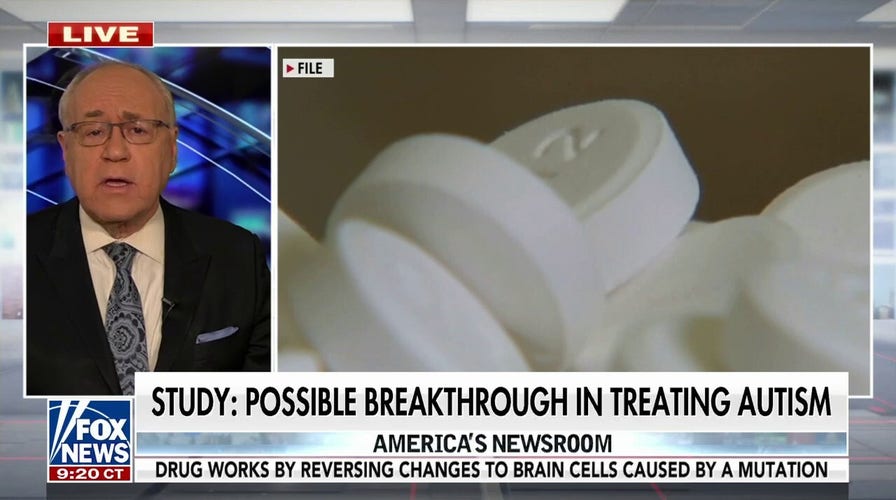
The field of autism research is constantly evolving, with new therapies and interventions being developed all the time. Researchers are exploring a range of approaches, including: Medications: While there is no cure for autism, medications can be used to manage certain symptoms, such as anxiety, depression, and hyperactivity. Behavioral Therapies: Applied Behavior Analysis (ABA) is a widely used behavioral therapy that focuses on teaching specific skills and reducing challenging behaviors. Social Skills Training: Social skills training programs can help individuals with autism develop social skills and improve their interactions with others. Technology-Based Interventions: Technology-based interventions, such as virtual reality and apps, are being developed to help individuals with autism learn new skills and improve their communication.
It's important to stay informed about the latest research and to work with qualified professionals to determine the best course of treatment for each individual with autism. The future of_autism research_ is filled with hope and new possibilities.
Empowering Individuals with Autism
Ultimately, the goal is to empower individuals with autism to live fulfilling and meaningful lives. This means providing them with the support and resources they need to achieve their goals, pursue their passions, and participate fully in their communities.
It's important to recognize and celebrate the unique strengths and abilities of individuals with autism. Many individuals with autism have exceptional talents in areas such as math, science, music, and art. By focusing on their strengths and providing them with opportunities to shine, we can help them build confidence and achieve success.
We also need to advocate for policies and practices that promote inclusion and equality for individuals with autism. This includes ensuring access to quality education, healthcare, and employment opportunities.
By empowering individuals with autism and advocating for their rights, we can create a more just and equitable world for everyone. This empowerment through_autism support_ enables individuals to thrive and contribute to society.
So, there you have it – a deep dive into the world of autism, the perceived "epidemic," and what it all means. We've explored the data, debunked some myths, and talked about the challenges and triumphs of individuals with autism and their families. It's a complex issue, but with understanding, empathy, and a commitment to inclusion, we can create a brighter future for everyone on the spectrum.
In summary, what we have learned throughout this conversation is that the increased diagnosis rates of autism are not solely due to an actual rise in cases. They're significantly influenced by broadened diagnostic criteria, increased awareness, and more sophisticated diagnostic tools. These factors have led to better recognition and identification of autism across a wider range of individuals.
Therefore, it's important to shift the narrative from panic about anautism epidemicto proactive engagement in understanding, supporting, and advocating for individuals on the autism spectrum. This involves fostering inclusive communities, promoting early intervention, and staying informed about emerging therapies and research.
Conclusion: Embracing Neurodiversity and Moving Forward Together
We've journeyed through the complexities surrounding the idea of an "autism epidemic, " examining the rising diagnosis rates, debunking common myths, and understanding the profound impact on families and communities. We've seen that while the numbers may seem alarming, they also reflect a growing awareness and understanding of autism spectrum disorder (ASD).
The core message is this: the increasing prevalence of autism diagnoses isn't just aboutmorepeople having autism, but about a more nuanced understanding and improved identification of ASD. Changes in diagnostic criteria, increased awareness, and better diagnostic tools all contribute to this rise.
But understanding is just the first step. The real challenge lies in creating a more inclusive and supportive world for individuals with autism and their families. This means advocating for early intervention, promoting inclusive education and employment, and fostering communities where individuals with autism are valued and respected.
The call to action: Take what you've learned today and share it. Talk to your friends, family, and colleagues about autism. Challenge stereotypes and misconceptions. Support organizations that are working to improve the lives of individuals with autism. Volunteer your time. Donate to autism research.
Let's move beyond the fear and misinformation surrounding autism and embrace the beauty ofneurodiversity. By working together, we can create a future where everyone, regardless of their neurodevelopmental differences, has the opportunity to thrive.
What small step willyoutake today to make a difference in the lives of individuals with autism?

Post a Comment for "Autism Epidemic: Understanding the Current Crisis"
Post a Comment